
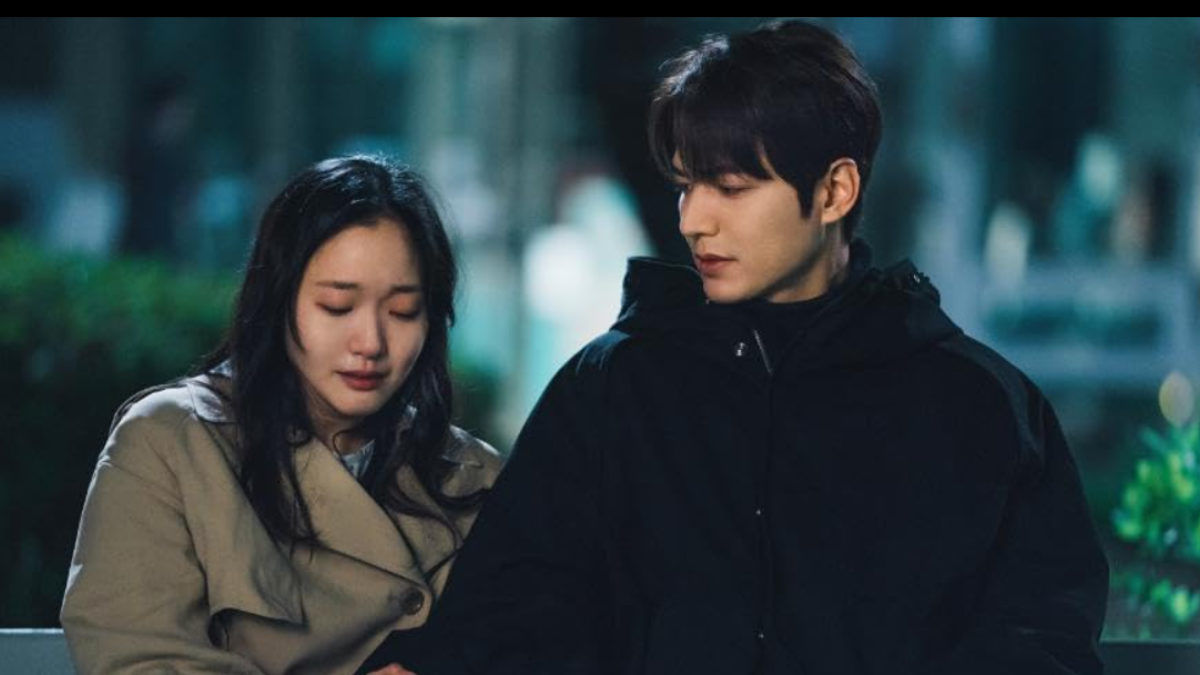
A new K-drama comes out and someone immediately says it’s just another reincarnation story. A Chinese drama fan points out that the same plot existed years ago. Hollywood releases a remake. Bollywood remakes a Hollywood film that itself was inspired by a Japanese movie. A hit song samples an older track, while another artist samples that version years later. It almost feels like nobody has an original idea anymore. But maybe that’s because originality was never what we thought it was. The truth is, almost every story humans tell follows patterns we’ve been repeating for thousands of years. The hero’s journey. Enemies becoming lovers. Time travel. Revenge. Forbidden love. The chosen one. History keeps recycling these ideas because people keep connecting with them.
Take K-dramas, for example. Time-travel romances, people waking up in another era, reincarnated lovers finding each other across centuries. Many viewers call these plots repetitive, but fans of Chinese dramas will point out that similar stories have existed there for decades. Those Chinese dramas themselves borrowed ideas from ancient folklore and mythology. The chain never really starts or ends.
The same thing happens in music.
Artists sample older songs. Producers flip famous melodies into new genres. Bollywood has borrowed from Hollywood. Hollywood has borrowed from Asian cinema. Indian composers have inspired international artists, just as international artists have inspired Indian music. Creativity has always been a conversation rather than a competition.
Even our own ideas aren’t created in isolation.
Every book we’ve read, every conversation we’ve had, every Instagram Reel we’ve watched, every movie we’ve binged leaves tiny fingerprints on the way we think. Sometimes an idea feels completely original until we suddenly remember seeing something eerily similar years ago. That doesn’t necessarily mean we copied it. It means our brains constantly store information without us even realizing it.
The biggest difference today isn’t that people have become less creative.
It’s that information travels instantly.
Twenty years ago, a filmmaker in one country could remake a foreign film and most audiences would never know. Today, someone uploads a side-by-side comparison on TikTok within hours. Viewers across the world consume Korean dramas, Chinese dramas, Turkish series, anime, Bollywood and Hollywood simultaneously. We recognize similarities because we’ve finally been exposed to all of them.
Ironically, the internet hasn’t killed originality. It simply made influence impossible to hide.
And maybe that’s okay.
Humans have always learned by observing, adapting and building on what came before. Shakespeare borrowed stories. Ancient myths inspired modern superheroes. Every generation remixes the previous one into something that feels new for its own time.
Perhaps originality isn’t about inventing something that has never existed.
Perhaps it’s about saying something familiar in a way that only you can.