
Today, sequels are such a common part of Bollywood that the announcement of a successful film is often followed by immediate speculation about a second part. But Hindi cinema was not always this way. For a large part of its history, Bollywood preferred standalone stories. Even when a film became a major hit, filmmakers were often content letting the story end where it did. Unlike Hollywood, which built long-running franchises around popular characters, Hindi cinema rarely revisited the same world or narrative.
That does not mean sequels did not exist. They were simply uncommon. One of the earliest examples often cited in Indian cinema is Hunterwali Ki Beti, which continued the adventures of Fearless Nadia’s iconic character from the 1930s and 1940s. Over the following decades, a few films attempted to carry stories forward. Wardat followed the events of Surakksha, while Nigahen: Nagina Part II expanded the supernatural world introduced in Nagina. These films showed that the idea of a sequel existed in Bollywood, but it had not yet become a trend.
The real change came in the early 2000s. Filmmakers and studios began realizing that audiences were willing to return to familiar characters and worlds if they were given a compelling reason to do so. Around this time, Bollywood witnessed a series of sequels that were not only commercially successful but also became cultural talking points.
Krrish built upon the foundation laid by Koi… Mil Gaya and created one of Hindi cinema’s most successful superhero franchises. Lage Raho Munna Bhai took the beloved Munna and Circuit characters in a fresh direction and became one of the rare sequels that many viewers considered even better than the original. Dhoom 2 transformed a successful action film into a full-fledged franchise and demonstrated the commercial potential of recurring brands.
Their success changed the industry’s thinking. Sequels were no longer viewed as occasional experiments. They became a viable business model. In the years that followed, audiences saw the arrival of films such as Phir Hera Pheri, Golmaal Returns, Don 2, Race 2, Dabangg 2 and several others. Some continued existing stories, while others used familiar characters and worlds to tell entirely new ones.
A handful of sequels managed to achieve something more than box office success. Films like Lage Raho Munna Bhai, Krrish, Don 2 and later Tanu Weds Manu Returns demonstrated that sequels could deepen characters and expand stories instead of merely repeating what had worked before. More recently, Gadar 2 proved that even decades-old films can return and reconnect with audiences if the emotional bond remains strong.
The evolution of sequels has also led to a newer form of storytelling where filmmakers plan larger narratives across multiple films. Franchises such as Baahubali and KGF popularized the idea of telling one expansive story over multiple chapters. More recently, Dhurandhar and its follow-up Dhurandhar: The Revenge have followed a similar approach, where the story is designed to continue directly into the next film rather than functioning as a standalone sequel years later.
Today, sequels, spin-offs and multi-film franchises have become an important part of Bollywood’s landscape. Whether every sequel justifies its existence is a debate that continues among audiences, but there is no denying that the format has fundamentally changed the way Hindi cinema approaches storytelling and box office success.
The trend shows no signs of slowing down. Upcoming releases such as Welcome To The Jungle and Dhamaal 4 highlight how valuable established franchises have become for Bollywood. Both belong to comedy series that have built loyal audiences over the years and continue to enjoy strong recall among moviegoers. Their very existence reflects how dramatically audience expectations and industry strategies have evolved from a time when sequels were considered exceptions rather than standard practice.
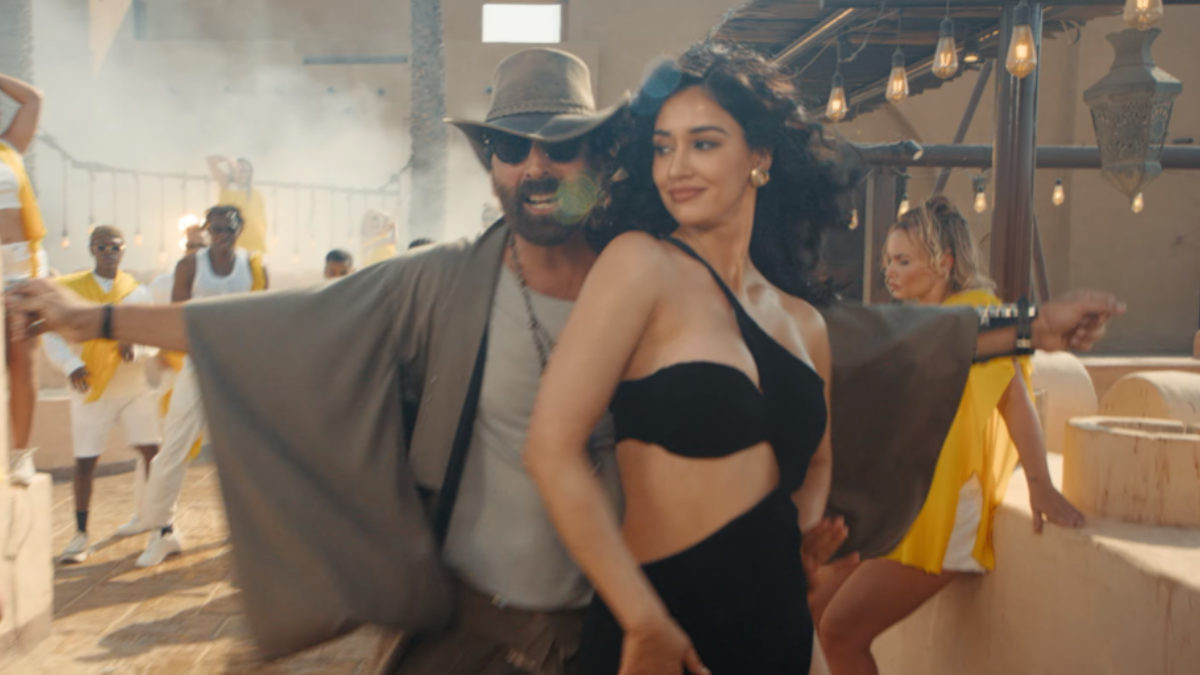
Based on its promotional material, Welcome To The Jungle appears to be leaning into large-scale entertainment, ensemble comedy and nostalgia. Rather than recreating the exact formula of the 2007 original, it seems to be aiming for a bigger and more chaotic spectacle. Dhamaal 4, meanwhile, brings back another popular comedy brand that has entertained audiences across multiple installments and remains one of Bollywood’s most recognizable comedy franchises.
Whether these films ultimately recreate the magic of their predecessors will only be known after audiences watch them. What is already clear, however, is that they represent the latest chapter in Bollywood’s long and fascinating journey with sequels. From the days of Hunterwali Ki Beti and a handful of isolated follow-ups to an era dominated by franchises, cinematic universes and multi-part sagas, sequels have gone from being a rarity to becoming one of the defining features of modern Hindi cinema.