
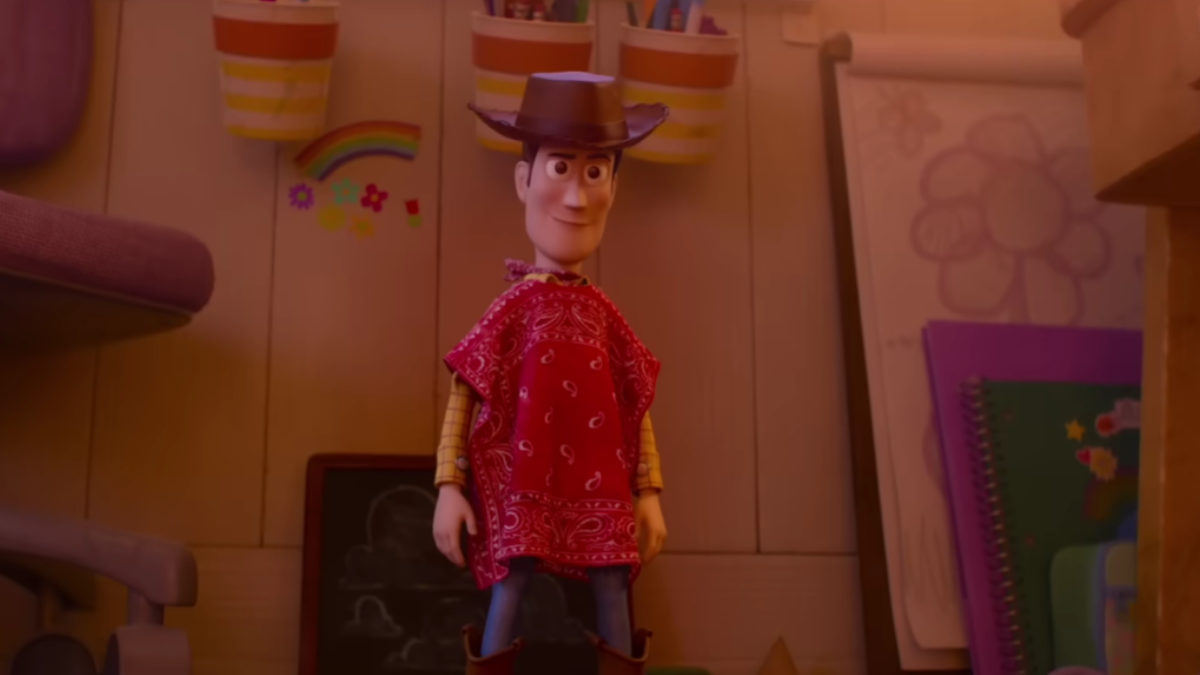
With Disney and Pixar’s Toy Story 5 arriving in theatres on June 19, the return of Woody, Buzz Lightyear and the gang is not just another movie release. It is a reminder of how Hollywood has mastered the art of turning beloved films into long-running franchises that continue to entertain generations while generating billions of dollars in business. More than three decades after the original Toy Story changed animation forever in 1995, the franchise is still finding new stories to tell and new audiences to reach.
What makes Toy Story particularly fascinating is that it represents one of Hollywood’s most valuable franchise success stories. According to a recent study shared by Disney, the Toy Story franchise has generated around $16 billion in revenue over the past 30 years. That figure extends far beyond movie ticket sales and includes the broader ecosystem that successful franchises create around themselves.
The upcoming fifth film itself reflects why franchises continue to thrive. Rather than simply revisiting old ground, Toy Story 5 explores a contemporary theme as the toys confront a world where children are increasingly drawn towards electronic devices and screens. It is a concept that allows familiar characters to remain relevant to a new generation while giving longtime fans a reason to return.
Hollywood’s relationship with franchises has evolved dramatically over the years. There was a time when sequels were occasional events. Today, they are often the foundation of studio strategy. The biggest studios are no longer simply producing movies. They are building intellectual property that can live across multiple films, streaming shows, merchandise, theme parks, games and licensing opportunities.
The business logic is easy to understand. A familiar franchise arrives with built-in audience awareness. Fans already know the characters, the world and the emotional connection. Studios spend less time convincing audiences to care and more time expanding stories that viewers already love. For investors and executives, that familiarity reduces risk in an industry where even expensive original films can struggle to find an audience.
The numbers explain why franchise filmmaking became Hollywood’s preferred model. Industry data from the pre-pandemic era showed that franchise films accounted for a minority of wide releases but generated the overwhelming majority of worldwide box office revenue. Original standalone films continued to exist, but franchises increasingly became the engines driving theatrical business.
The success of Marvel accelerated this shift. The Marvel Cinematic Universe proved that audiences would not only follow sequels but also interconnected stories spread across multiple films and years. Soon, every major studio wanted its own universe. Some succeeded. Others struggled. Yet the underlying lesson remained the same: audiences consistently return to stories and characters they already know.
That philosophy can be seen across modern Hollywood. Star Wars continues to expand decades after its debut. Avatar has multiple future chapters planned. Jurassic World revived a franchise that began in the early 1990s. Mission: Impossible kept reinventing itself for nearly thirty years. John Wick transformed from a modest action film into a global brand. Each franchise demonstrates that longevity can be as valuable as opening weekend numbers.
Of course, franchise filmmaking is not without challenges. Audiences today are far more selective than they were a decade ago. Simply attaching a familiar title is no longer enough. Fans expect meaningful stories, emotional stakes and genuine evolution. The franchises that continue to succeed are often the ones that understand how to balance nostalgia with fresh ideas.
That is perhaps why Toy Story remains such an interesting example. Few fans expected a fifth film after the emotional ending of Toy Story 4. Yet Pixar believes there is still something worth saying through these characters. Whether the film becomes another blockbuster or not, its very existence highlights the enduring power of franchises in Hollywood.
For movie lovers, franchises offer the comfort of returning to familiar worlds. For studios, they offer long-term business opportunities that can last decades. And for Hollywood itself, they have become the closest thing to a guaranteed investment in an unpredictable industry.
As Toy Story 5 prepares to open in theatres, it serves as a reminder that in modern Hollywood, a successful film is rarely viewed as the end of a story. More often than not, it is simply the beginning of a franchise.