
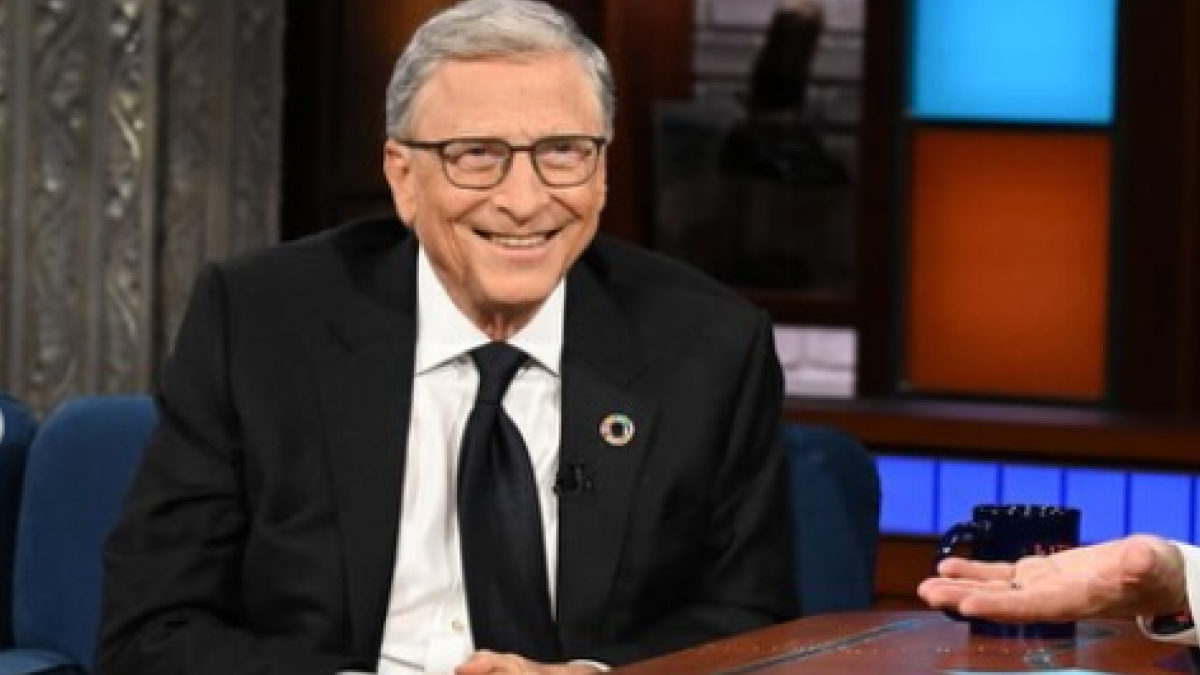
Bill Gates says Jeffrey Epstein tried to blackmail him. That’s the headline dominating the internet right now. According to Gates’ testimony before the House Oversight Committee, Epstein allegedly learned about affairs Gates had during his marriage to Melinda French Gates and later attempted to use that information, along with what Gates described as additional lies, to pressure him into re-establishing contact. If true, it’s disturbing. It’s manipulative.
And it’s exactly the kind of behavior many people would expect from Jeffrey Epstein.
But here’s the problem.
The blackmail isn’t actually the most shocking part of this story.
The real question is why Bill Gates was in a position to be blackmailed by Jeffrey Epstein in the first place. For years, Gates has maintained that his relationship with Epstein was connected to philanthropy. He says he believed Epstein could help connect him with wealthy donors interested in funding global health initiatives and charitable causes.
That’s the explanation. The problem is the timeline.
Jeffrey Epstein pleaded guilty to pr*stitution-related charges involving a minor in 2008 and served jail time. His criminal history wasn’t hidden. It wasn’t a rumor. It wasn’t information that only emerged years later. It was public knowledge.
Yet documents released this year reportedly show that Gates continued having contact with Epstein after that conviction. Released emails have also reportedly shown communication between Epstein and members of the Gates Foundation. Congress is now examining those connections as part of a broader investigation into Epstein’s network and the handling of his case.
And that’s where things become difficult to ignore. Bill Gates isn’t an ordinary businessman.
He’s one of the richest people on the planet.
One of the most influential philanthropists in modern history. A man who built one of the most successful companies ever created. So when Gates says he “did not fully understand the extent” of Epstein’s crimes at the time, many people are understandably asking the same question:
How?
How does someone with unlimited resources, private security teams, researchers, advisors, lawyers, and public relations experts fail to properly vet a man whose criminal record was already public?
That’s not a conspiracy theory. That’s a fair question.
To be clear, there is no evidence that Gates participated in Epstein’s crimes. Gates has repeatedly denied any wrongdoing, says he never witnessed criminal activity, and insists the relationship was limited to philanthropic discussions.
But there is a difference between criminal wrongdoing and poor judgment.
And by his own admission, Gates exercised poor judgment. In fact, he called meeting Epstein a “grave error.” He’s right.
Because the most uncomfortable truth in this entire story is that powerful people often convince themselves that rules don’t apply when enough money, influence, or opportunity is involved.
A billionaire sees access to donors. A politician sees access to voters. A celebrity sees access to connections. And suddenly obvious warning signs become something they can overlook “for the greater good.” Until years later when those decisions come back to haunt them. Jeffrey Epstein was undoubtedly the worst man in this story. That isn’t up for debate. He was a convicted s*x offender whose crimes destroyed countless lives.
But Bill Gates wasn’t powerless. Nobody forced him into those meetings. Nobody required him to maintain contact. Nobody told him to ignore a criminal record because there might be philanthropic opportunities attached. That was a choice he made.
And perhaps that’s why this story continues to generate so much attention.
Because it isn’t really about blackmail. It’s about accountability. Bill Gates wants people to understand how Jeffrey Epstein allegedly tried to use his private life against him. Fair enough.
But the public is asking a different question. Why did one of the smartest men in the world need Jeffrey Epstein in his life at all?