
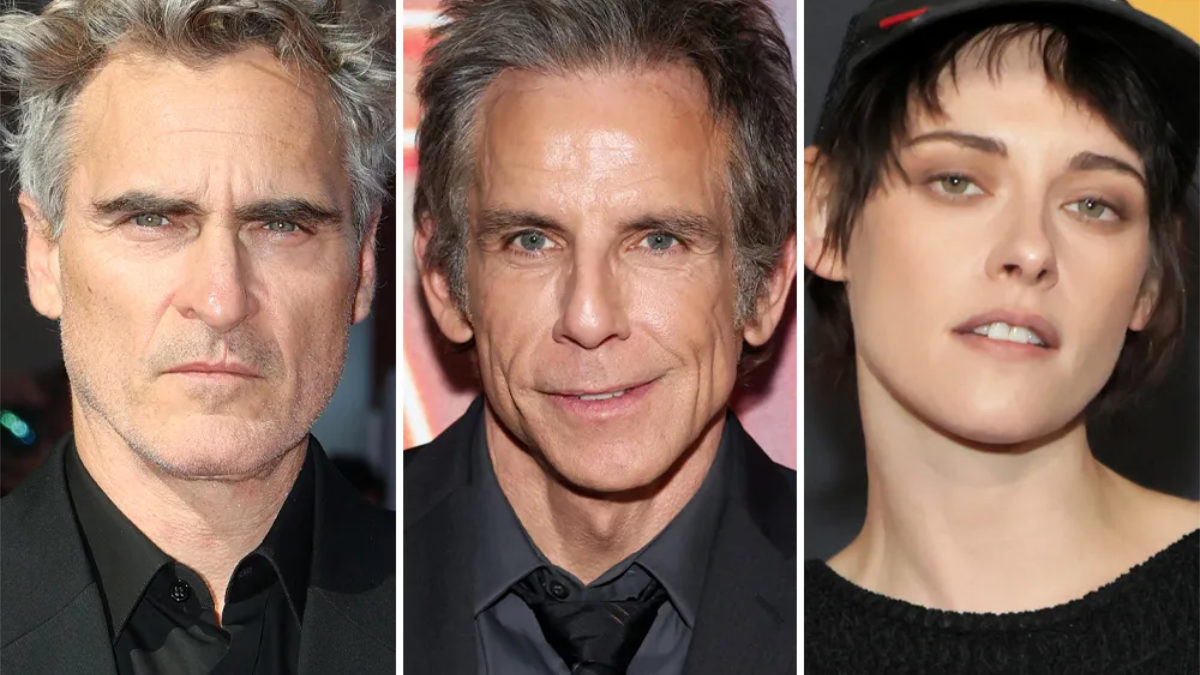
When over a thousand voices from Hollywood come together to oppose something, it is not just industry noise. It is a signal that something deeper is shifting. Names like Joaquin Phoenix, Ben Stiller, and Kristen Stewart are not just reacting to a deal. They are reacting to what that deal represents. The proposed merger between Paramount Global and Warner Bros. Discovery is being sold as a move towards scale and stability. Bigger company, bigger reach, bigger output. On paper, it sounds like growth.
But inside the industry, it feels like contraction.
Hollywood has already been quietly shrinking in ways most audiences do not notice. The kind of films that used to sit in the middle, not massive blockbusters and not tiny indies, are slowly disappearing. Creative risks are being replaced by safe bets. The system is becoming less about storytelling and more about predictability.
And mergers like this tend to accelerate that.
When two major studios become one, the math is simple. Fewer projects get greenlit. Fewer teams are needed. Fewer risks are taken. It is not about intention. It is about efficiency. And efficiency in entertainment often comes at the cost of creativity.
The strongest argument coming from the people opposing the deal is not emotional. It is structural. Hollywood is not just made up of stars. It is built on thousands of workers who exist behind the screen. Writers, editors, technicians, assistants, designers. When output reduces, they are the first to feel it.
That is where the fear really sits.
There is also a larger power shift hiding inside this conversation. When fewer companies control the industry, fewer people decide what stories get told. Diversity in storytelling is not just about representation. It is about access. And access shrinks when decision-making power gets concentrated.
The audience may not feel it immediately. But over time, it shows. Content starts to feel similar. Safer. More calculated. Less surprising.
From the corporate side, the response is predictable. More resources, more films, more opportunities. But history rarely supports that narrative. Large mergers in media tend to streamline rather than expand. They focus on what works and cut what does not. And what “works” is usually defined by scale, not originality.
This is why this moment feels different.
Hollywood is already dealing with massive shifts. Streaming has changed revenue structures. Technology is changing production. Audience attention is fragmented across platforms. The system is already under pressure. This merger does not exist in isolation. It adds weight to an already unstable structure.
Which is why the reaction is this loud.
At its core, this is not just about two companies coming together. It is about what kind of industry survives after that. One that is bigger and more controlled, or one that is diverse enough to keep evolving. Because once control consolidates, it rarely goes back. And when that happens, it is not just the industry that changes. It is the stories we get to watch.