
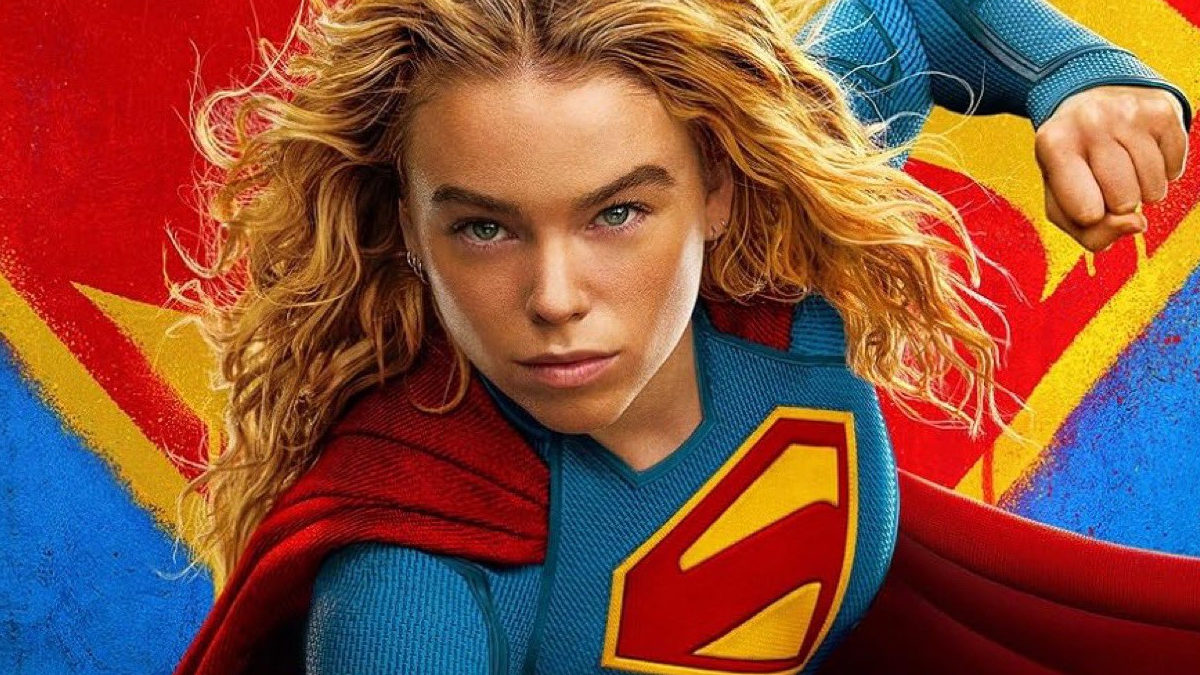
The box office collapse of Supergirl has once again revived one of Hollywood’s oldest debates. Every time a female-led superhero film underperforms, the conversation quickly shifts to whether audiences are simply unwilling to embrace women in the genre. It is a convenient narrative, but history tells a very different story.
Supergirl is merely the latest addition to a list of female-led superhero films that failed to connect with audiences. The original Supergirl in 1984 was unable to capitalize on the popularity of Christopher Reeve’s Superman films and disappeared from theatres without leaving a lasting impact. Catwoman followed in 2004 and became one of the most criticized comic book adaptations ever made despite having Academy Award winner Halle Berry in the lead. Elektra, released a year later with Jennifer Garner, suffered a similar fate after failing to justify its existence beyond being a spin-off of Daredevil.
The modern superhero era has produced similar examples. Birds of Prey could not convert Harley Quinn’s popularity into a major box office success. Wonder Woman 1984 failed to recreate the magic of its predecessor, although its pandemic-era release complicated its commercial journey. The Marvels emerged as Marvel Studios’ biggest theatrical disappointment, while Sony’s Madame Web struggled with poor reviews and even weaker audience interest.
However, isolating these films creates a misleading picture. The same industry has also witnessed Wonder Woman become a global phenomenon with more than $800 million at the worldwide box office, while Captain Marvel comfortably crossed the billion-dollar mark. Those films proved that audiences have never rejected female superheroes. They have simply rewarded films that offered compelling stories, memorable characters and a strong theatrical event.
The bigger trade lesson is that female-led superhero films are not unique in their failures. The genre itself has become increasingly volatile. Green Lantern, Morbius, The Flash, Joker: Folie à Deux and several male-led comic book films have also struggled despite being built around globally recognised characters. Superhero branding alone is no longer enough to guarantee audience turnout.
That is precisely where Supergirl fits into the larger picture. DC Studios has acknowledged that the film did not meet its commercial expectations, but the studio has also made it clear that one disappointing result will not alter its long-term plans for the DC Universe.
The temptation after every such disappointment is to blame the gender of the protagonist. Yet the box office has consistently shown that audiences do not buy tickets based on whether the hero is a man or a woman. They buy into stories that excite them, worlds they want to revisit and characters they genuinely care about.
If Supergirl has reaffirmed anything, it is not that female superheroes have reached their ceiling. It is that the superhero genre itself has entered an era where brand recognition alone cannot overcome weak word-of-mouth or audience indifference. Whether the cape belongs to Superman, Supergirl, Wonder Woman or Captain Marvel, the rule remains the same. In today’s theatrical landscape, quality is no longer optional. It is ‘the superhero’ of them all.