
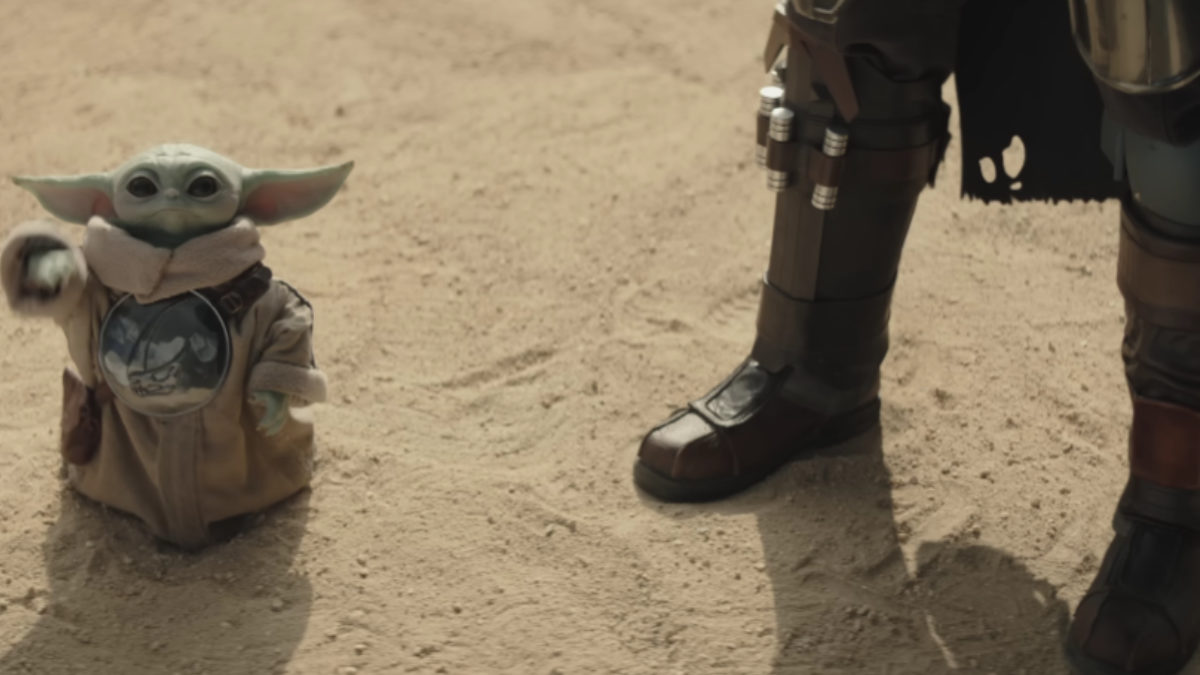
The Star Wars franchise is facing one of the biggest identity crises in its history. After dominating pop culture for decades, the galaxy far, far away is now struggling to maintain audience excitement, both in theaters and on streaming. According to new industry tracking, The Mandalorian & Grogu, the franchise’s first theatrical release in seven years, is expected to have the lowest opening weekend of any Star Wars film ever.
The projected numbers are especially shocking considering how massive the franchise once was. In 2015, The Force Awakens earned over $2 billion worldwide and revived global hype around Star Wars. But by 2019, The Rise of Skywalker had already seen a major decline in audience enthusiasm, earning almost half of what The Force Awakens made.
Things only became more complicated after Disney shifted Star Wars heavily toward streaming content. What started as excitement around The Mandalorian slowly turned into franchise fatigue as more spin-offs, interconnected timelines, and overlapping storylines were introduced.
Critics and fans now say keeping up with Star Wars feels less like entertainment and more like homework. Many newer projects depend heavily on audiences having watched multiple previous series, animated shows, and side stories to fully understand what is happening. According to film critic Clarisse Loughrey, one reason Andor became such a critical success is because viewers could watch it without needing years of Star Wars knowledge.
Unlike other recent projects, Andor focused more on grounded storytelling, political themes, and character depth rather than nostalgia, cameos, or fan service.
Meanwhile, other shows struggled to maintain momentum. The Acolyte was canceled after one season despite positive critical reviews, while Skeleton Crew reportedly delivered the weakest opening numbers for any Star Wars series.
Fans have also criticized Disney’s growing dependence on digital production technology called “The Volume,” which uses massive LED screens instead of real-world locations.
While the technology reduces costs, many viewers believe it makes Star Wars look visually artificial and emotionally empty compared to earlier films that relied on practical sets and real locations.
Some fans argue the newer projects no longer feel cinematic.
Instead of large-scale event movies, several recent Star Wars productions have reportedly felt more like extended television episodes stretched into feature-length films.
Industry experts believe the future of the franchise may depend on whether Starfighter starring Ryan Gosling can successfully introduce a completely fresh direction for the universe without relying too heavily on legacy characters.
Lucasfilm is still developing multiple new Star Wars projects, including a new trilogy from Simon Kinberg and a Rey-centered film starring Daisy Ridley.
But many critics now believe the franchise needs fewer projects, stronger creative voices, and more artistic risks instead of endlessly expanding interconnected lore. As one critic summarized it, Star Wars may only become “cool again” when filmmakers are allowed to tell bold standalone stories instead of constantly building franchise continuity.