Home Blog Page 276

Jaskirat Singh Rangi: The URI–Dhurandhar Connection Fans Can’t Ignore

0

Sometimes, the most interesting stories in cinema are not the ones that are told loudly on screen, but the ones that quietly sit in the background, waiting for someone to notice. Back in URI: The Surgical Strike, there is a small, almost fleeting moment. Flight Lieutenant Seerat Kaur, Indian Air Force, played by Kirti Kulhari, is asked a simple question by Major Vihaan Singh Shergill, Para SF (Vicky Kaushal). Does she have anyone in her family in the armed forces. She replies with calm restraint, “It was my husband… Captain Jaskirat Singh Rangi, Season Punjab Regiment.”

It is a line that passes quickly. No flashback. No elaboration. Just a quiet pause that suggests loss. At that moment, the audience assumes what the word “was” usually implies in war stories. That he is no more. And the film moves on.

But cinema has a strange way of circling back.

Now, with the growing chatter around Dhurandhar & Dhurandhar: The Revenge, the same name has started to echo again. Ranveer Singh’s character, known as Hamza Ali Mazari, is being closely linked to that very same name. Jaskirat Singh Rangi. Same identity. Same regiment. But a completely different life, (a different face), and possibly a very different truth.

And that is where things stop being straightforward.

Because, if this is indeed the same man, then the meaning of that one word, “was”, begins to change. What if it did not mean death. What if it meant disappearance. What if Captain Jaskirat Singh Rangi did not die, but instead vanished into something far more complicated. Something that forced him to leave behind not just his name, but his entire identity.

The possibility opens up a story that feels bigger than both films. A soldier who was once part of the Indian Army, now living as someone else. A husband who is remembered as lost, but may still be alive somewhere, carrying a past he cannot return to. And a woman who believes her story has ended, unaware that it may not have.

Of course, there is another way to look at it. Maybe this is just a coincidence. Maybe the name was simply reused because it sounds real, rooted, and authentic to a Punjab Regiment officer. Hindi cinema has done that before. Not every detail is a clue, and not every connection is intentional.

But then again, this does not feel like just any name.
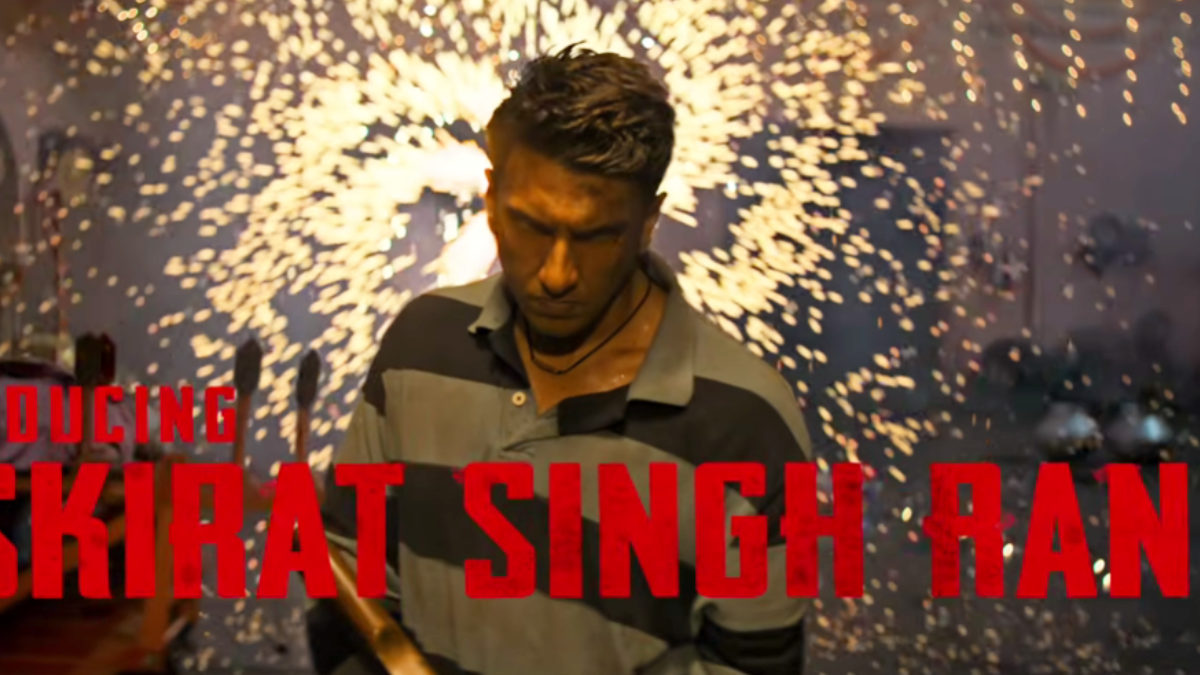
jaskirat singh rangi: the uri–dhurandhar connection fans can’t ignore
Ranveer Singh In Dhurandhar The Revenge_Pic Courtesy Youtube

“Jaskirat Singh Rangi” is not generic. It carries a certain specificity, a texture that writers usually do not repeat casually, especially within the same broad storytelling space of military dramas. And when you place that against the backdrop of a character like Hamza Ali Mazari, someone who already seems layered, conflicted, and possibly hiding more than he reveals, the overlap starts to feel less accidental and more deliberate.

There is also the question of time. In URI, Jaskirat is already a Captain. In Dhurandhar: The Revenge, from what we understand so far, his journey seems to begin much earlier, possibly even during his training days. That creates a gap, but not necessarily a contradiction. In fact, it could be the opposite. It could mean that one story is showing us the beginning, while the other quietly referenced the end, without us even realising it.

If that is true, then what we are looking at is not just a character, but a timeline that has been scattered across films. A life that started with promise, went through something unimaginable, and ended up becoming something or someone else entirely.

And suddenly, that one line from URI does not feel like background detail anymore. It feels like a breadcrumb. Something placed carefully, waiting for a future story to pick it up.

Whether this connection is real or not is something only time, and the makers, will confirm. But maybe that is not even the point. Because the fun of cinema, especially for those who love it a little too deeply, lies in these possibilities. In connecting dots that may or may not exist. In imagining stories that live between the lines.

And right now, this is one of those stories.

Because if Captain Jaskirat Singh Rangi and Hamza Ali Mazari are indeed the same man, then somewhere out there is a love story left unfinished, a soldier’s journey left untold, and a truth that could change the way we look at both films forever.

And if they are not, then it is still one of those coincidences that feels just a little too perfect to ignore.

Either way, it leaves you with a question that is hard to shake off.

Was he really gone, or did we just stop looking.
Hrithik Roshan Said No, Aamir Khan Didn’t Hear It: The Untold Casting Story of Hum Tum

0

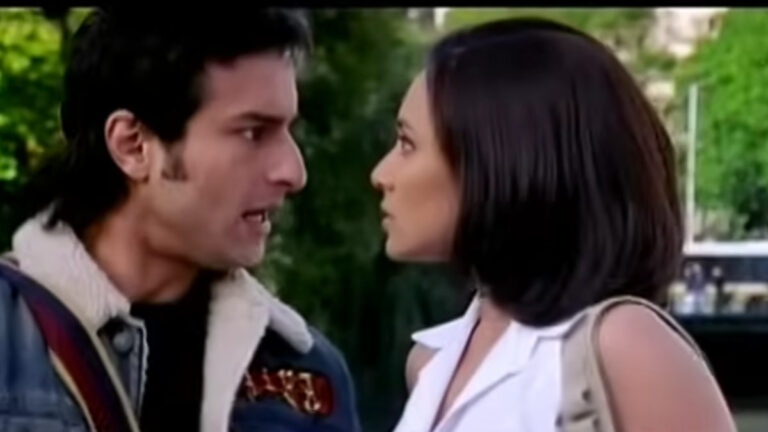
The early 2000s marked a significant phase in the career of Saif Ali Khan, as he transitioned into more prominent roles and established himself as a leading actor in Hindi cinema. Among the films that contributed to this rise was Hum Tum (2004), directed by Kunal Kohli. Co-starring Rani Mukerji, the film went on to become widely appreciated for its storytelling, music, and the on-screen chemistry between its leads. However, the casting process behind the film was more complex than often assumed.

In a recent discussion, Kunal Kohli addressed long-standing speculation that several actors had declined the lead role before Saif Ali Khan was finalized. One of the names frequently associated with these rumours was Aamir Khan. Clarifying the situation, Kohli stated that Aamir had not actually heard the script. At the time, the actor was going through a personal phase, including his separation from Reena Dutta, which meant he was not actively considering new projects.

Another actor who was approached for the film was Hrithik Roshan. According to Kohli, Hrithik responded positively to the script and recognized its potential. However, he ultimately chose not to take on the role. His decision was influenced by uncertainty surrounding his recent performances, particularly in Main Prem Ki Diwani Hoon (2003). Hrithik reportedly felt that he was not in the right space to fully do justice to the character and preferred to step away despite acknowledging the film’s strength.

Kohli also mentioned that Vivek Oberoi was considered during the casting process. At the time, Vivek was gaining attention with films like Company and Saathiya, and was seen as a viable option for the role. However, for various reasons, the discussions did not lead to a final agreement. After exploring these possibilities, the filmmakers eventually chose Saif Ali Khan, a decision that would prove pivotal for the film.

Upon its release, Hum Tum was well received and later achieved the status of a cult favourite. Saif’s performance earned him the National Film Award for Best Actor, a recognition that also sparked debate at the time. Some critics and audiences questioned the decision, suggesting that other nominees such as Shah Rukh Khan for Swades and Amitabh Bachchan for Black were stronger contenders.

The controversy was further amplified by claims that Saif’s win may have been influenced by his mother, Sharmila Tagore, who was serving as the chairperson of the Central Board of Film Certification (CBFC) at the time. Addressing these allegations years later, Saif dismissed them, stating that his mother had no role in securing the award for him. He also remarked that if such influence were possible, it would have been evident in other aspects of his career.

Despite the debates surrounding the award, Hum Tum remains an important film in Saif Ali Khan’s filmography. It not only showcased his ability to carry a romantic comedy but also helped redefine his image in the industry. The film’s narrative, which follows the evolving relationship between two individuals over several years, resonated with audiences and contributed to its lasting appeal.

Looking ahead, Saif Ali Khan continues to remain active in the film industry. He is set to appear in the upcoming project Haiwaan alongside Akshay Kumar. His ongoing work reflects a career that has evolved over time, shaped by both critical acclaim and public scrutiny.

Overall, the journey of Hum Tum from its casting challenges to its eventual success highlights how multiple factors—timing, personal choices, and creative decisions—can influence the making of a film. The project stands as an example of how a role initially passed on by several actors can ultimately become a defining moment for someone else.

Mohit Suri Addresses Buzz Around Ranbir Kapoor Film

0

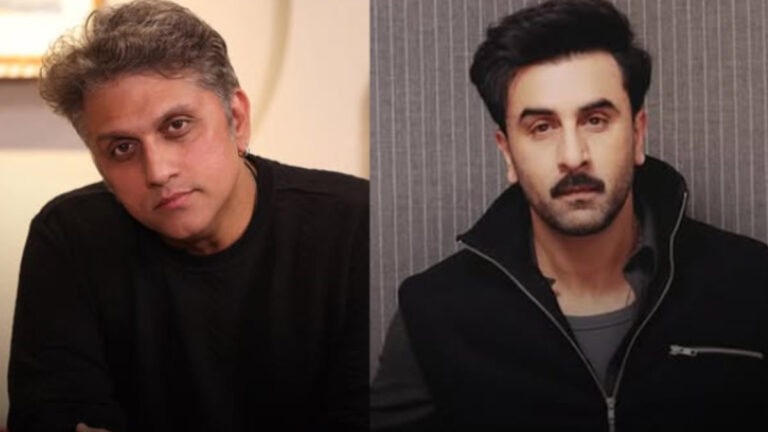
Speculation surrounding a potential collaboration between filmmaker Mohit Suri and actor Ranbir Kapoor has been circulating widely, but the director has now addressed the reports, clarifying that no such project is currently in development. In a recent interaction, Mohit stated that while discussions have taken place, the idea of them working together remains in the realm of possibility rather than a confirmed reality.

According to Mohit, the rumours suggesting that Ranbir Kapoor would feature in his upcoming film are inaccurate. He explained that although he has met the actor and expressed interest in collaborating, no formal project has been finalized. His remarks indicate that the conversations were exploratory in nature, rather than indicative of an ongoing production.

Despite dismissing the reports, Mohit did not hide his admiration for Ranbir. He described him as a versatile performer whose acting style aligns with the emotional depth often required in his films. Mohit emphasized that Ranbir possesses the kind of layered nuance that he values in a lead actor, suggesting that a collaboration between them could be creatively compatible if it materializes in the future.

The director also shared an anecdote that highlights Ranbir’s approach to cinema. He mentioned that the actor has often spoken highly of Awarapan, one of Mohit’s earlier films that did not perform well commercially at the time of its release. Mohit noted that it is uncommon for actors to reference a filmmaker’s lesser-known or unsuccessful projects, as most tend to focus on box office successes. This, he implied, reflects Ranbir’s genuine appreciation for storytelling rather than just commercial outcomes.

Mohit further pointed out that Ranbir has been aware of his work since the early stages of his career. This familiarity, combined with mutual respect, forms a foundation that could potentially lead to a collaboration in the future. However, he reiterated that, as of now, there is no confirmed project involving the two.

Over the years, Mohit Suri has built a distinct identity in the Hindi film industry, known for crafting emotionally driven narratives often centered around romance and intensity. His filmography includes titles such as Aashiqui 2, Ek Villain, Malang, Murder 2, and Hamari Adhuri Kahani. These films have contributed to his reputation for blending music, drama, and complex character arcs.

His most recent directorial venture, Saiyaara, was released last year and received considerable attention. Featuring Ahaan Panday and Aneet Padda, the film stood out for its fresh casting and music, further reinforcing Mohit’s inclination toward emotionally resonant storytelling.

Meanwhile, Ranbir Kapoor continues to be associated with several high-profile projects. He is set to portray Lord Ram in Ramayana, directed by Nitesh Tiwari. The two-part epic will also feature Sai Pallavi, Sunny Deol, and Ravi Dubey, with releases planned for Diwali 2026 and Diwali 2027 respectively. In addition, he is part of Love and War, directed by Sanjay Leela Bhansali, alongside Alia Bhatt and Vicky Kaushal.

While there is no official confirmation of a joint project between Mohit Suri and Ranbir Kapoor at present, the director’s comments suggest that the possibility remains open. For now, the speculation appears to be ahead of reality, with both individuals continuing to focus on their respective commitments. The situation reflects how industry buzz can often precede actual developments, especially when it involves prominent names with established track records.

Bhumi Pednekar’s Spiritual Journey: A Soulful Retreat at Parmarth Niketan Ashram

0

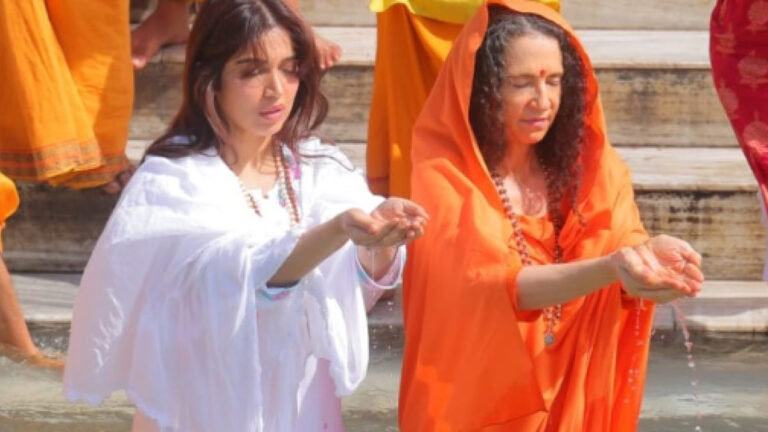
Bhumi Pednekar recently took time away from her professional commitments to embark on a spiritual retreat at the Parmarth Niketan Ashram, a well-known spiritual center located in Rishikesh. Through a series of social media posts, the actor offered a glimpse into her experience, describing it as a deeply reflective and grounding journey rather than a typical getaway.

During her visit, Bhumi participated in several traditional rituals associated with the ashram and the region. One of the key moments she shared was taking a ceremonial dip in the Ganga River. Dressed in a simple white salwar suit and wearing a tulsi mala, her appearance reflected the understated and spiritual nature of the experience. The act of bathing in the river is widely considered symbolic in Hindu traditions, often associated with purification and renewal.

She also attended the evening Ganga Aarti, a daily prayer ceremony performed on the riverbanks. The ritual, known for its synchronized chants, lamps, and devotional atmosphere, is a significant spiritual practice that attracts visitors from across the country and beyond. Bhumi’s participation in the aarti highlighted her engagement with the cultural and spiritual practices of the region.

As part of her stay, the actor met prominent spiritual leaders, including Swami Chidanand Saraswati and Sadhvi Bhagawati Saraswati. These interactions appeared to be an important aspect of her visit, as she sought blessings and guidance during her time at the ashram. She later expressed gratitude toward them and the ashram community for facilitating what she described as a meaningful and transformative experience.

In her reflections, Bhumi emphasized the emotional and introspective impact of the journey. She described the experience as one of “quiet surrender,” suggesting a process of letting go of mental and emotional burdens. According to her, the significance of the Ganga extended beyond its physical presence, representing a deeper sense of connection, memory, and calm. Her words indicated that the visit allowed her to pause and reassess, stepping away from the constant pace of her everyday life.

This trip to Rishikesh was part of a broader pattern of spiritual exploration for the actor. Prior to arriving there, she had also visited the Golden Temple in Amritsar. Sharing moments from that visit as well, she highlighted the sense of peace and stillness she experienced, using phrases that reflected gratitude and patience. These visits suggest an ongoing inclination toward seeking moments of calm and reflection amid her busy schedule.

While Bhumi’s spiritual journey has drawn attention, she continues to remain active in her professional career. She was most recently seen in the series Daldal, a psychological crime thriller directed by Amrit Raj Gupta. The show, which also features Samara Tijori and Aditya Rawal, is based on a novel by Vish Dhamija and was released on Prime Video. In the series, Bhumi plays a law enforcement officer, a role that contrasts sharply with the serene environment of her recent travels.

Her decision to share these personal moments offers insight into how she balances her public career with private reflection. Rather than presenting the trip as a glamorous escape, Bhumi framed it as an opportunity for inner clarity and reconnection. This perspective resonates with a growing trend among public figures who openly discuss mental well-being and the importance of stepping back from professional pressures.

Overall, her visit to Parmarth Niketan Ashram reflects a deliberate effort to engage with spiritual practices and find moments of stillness. By documenting the experience, she has provided a window into a more introspective side of her life, highlighting how such journeys can serve as a pause for self-awareness and renewal.

Farah Khan’s Shocking Revelation: From Riches to Rags and Rejecting the ‘Nepo Kid’ Label

0

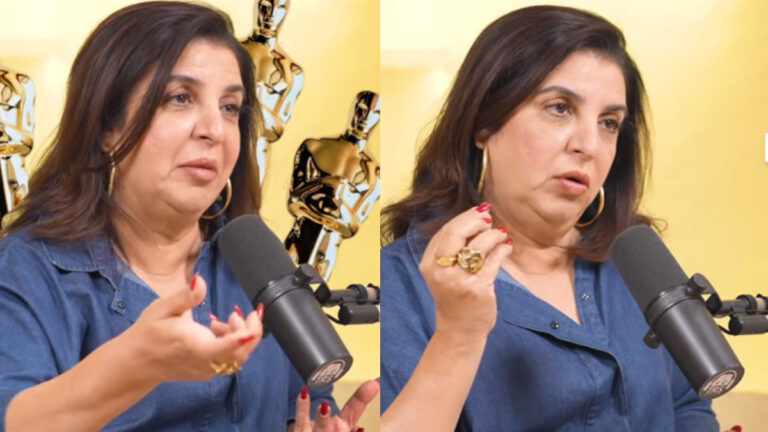
Farah Khan, widely recognized for her contributions as a choreographer and filmmaker in the Hindi film industry, has once again spoken candidly about her early life, challenging the perception that she benefited from privilege. In a recent conversation with Ranveer Allahbadia, she addressed the often-used “nepo kid” label and explained why she believes it does not apply to her circumstances.

Farah described her childhood as one marked by instability and financial hardship, particularly after the decline of her father Kamran Khan’s career. Once a filmmaker with a promising trajectory, Kamran Khan invested heavily in an ambitious project titled Aisa Bhi Hota Hai. The film’s poor performance at the box office had severe consequences for the family. According to Farah, the financial fallout was immediate and devastating, reversing their fortunes within a matter of days.

She recalled that her father had put nearly all of his resources into the film, even mortgaging their home. When the project failed commercially, the family’s financial stability collapsed. Farah described the experience as a sudden transition from relative comfort to extreme difficulty, emphasizing how quickly their circumstances changed. The impact extended beyond finances, affecting the emotional atmosphere at home as well.

Farah also spoke about how her father struggled to cope with the aftermath of the failure. She revealed that he turned to alcohol during this period, which further complicated family life. Evenings became particularly stressful, as the uncertainty surrounding his behavior created an environment of fear and anxiety. The situation reflected not only financial strain but also the psychological toll of professional setbacks.

In the years following the film’s failure, Kamran Khan reportedly withdrew from work entirely. Farah shared that he did not take on projects for over a decade, partly due to the shame associated with their changed circumstances. This prolonged period of inactivity contributed to the family’s continued struggles and limited opportunities for recovery. She also mentioned that their personal life became increasingly isolated, as they avoided inviting others into their home.

Adding to the complexity of her upbringing, Farah discussed the separation of her parents, which was not openly acknowledged at the time due to social norms. This created an additional layer of secrecy and emotional strain within the household. She explained that such experiences shaped her perspective and influenced her ambitions later in life.

Farah also reflected on her relationship with her younger brother, Sajid Khan, noting that she often felt overlooked during childhood. She described how the attention in the family shifted after his birth, leading to feelings of being sidelined. While she acknowledged that her father cared for her, she also indicated that these experiences contributed to her desire to assert herself and succeed independently.

Her early exposure to cinema played a significant role in shaping her career aspirations. Despite the challenges at home, films remained a constant presence in her life. Discussions about movies and frequent visits to the cinema fostered her interest in storytelling and direction. Over time, this interest translated into a professional path that began with choreography and later expanded into filmmaking.

Farah eventually established herself as a successful director with films such as Main Hoon Na and Om Shanti Om, both of which starred Shah Rukh Khan. She continued her directorial work with projects like Happy New Year and Tees Maar Khan, featuring Akshay Kumar. Her journey reflects a transition from personal hardship to professional achievement, driven largely by persistence and adaptability.

Today, Farah remains active in the entertainment space, including digital content creation through her vlog. Her reflections on her past provide context to her career, offering insight into how early challenges influenced her determination to succeed. By sharing these experiences, she has sought to clarify misconceptions about her background and highlight the complexities behind her journey.

Dhurandhar: The Revenge Movie Review | Fast, Brutal & Engaging

0

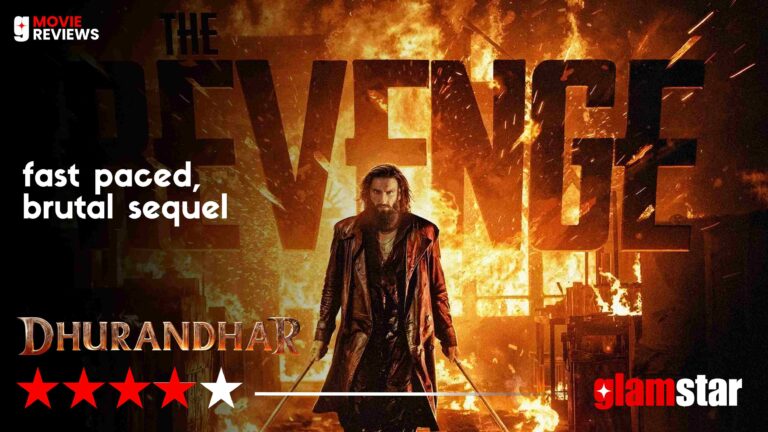
Sequels usually try to do one of two things. Either they go deeper into emotions, or they go bigger in scale. Dhurandhar The Revenge clearly chooses the second path. It doesn’t slow down or try to be emotional. It just goes all in on speed, action, and intensity.

The film begins with Hamza’s past, showing that he was once Jaskirat Singh Rangi. This backstory helps us understand him a little better before everything gets intense. It gives some base to the character, even though the film doesn’t spend too much time on emotions later.

Most of the cast from the first film returns, which helps maintain continuity. There are also a few new additions. One small but noticeable moment is the brief shot of Akshaye Khanna’s character being laid to rest. It’s a quick link to the previous film, done without slowing the story down.

From there, the film just takes off. There is hardly any pause. It keeps moving quickly, and that actually works in its favor. You don’t really get time to feel bored. At the same time, the film doesn’t focus on romance or family emotions. Everything is driven by one main goal, and it sticks to that throughout.

One interesting choice is the use of 90s songs in the background. While the scenes on screen are often violent or tense, the music is fun and familiar. This contrast works surprisingly well. It makes the film easier to watch, especially for those who enjoy that nostalgic vibe.

Visually, the film looks strong. The sets and overall design match the director’s vision nicely. Nothing feels out of place, and the world of the film feels believable.

The action is where the film really pushes boundaries. It is fast and quite brutal. Compared to the first part, the level of violence is much higher. Not everyone may like that, but from a filmmaking point of view, it is definitely bold and different. Some scenes look like they were cut by the censor board, but even then, the impact remains strong. The use of cuss words is also frequent, often muted, but the audience easily understands what’s being said.

There are also a few moments clearly made for the audience to enjoy in theatres. These scenes get instant reactions, claps and whistles, especially in a packed hall.

At the center of all this is Ranveer Singh as Hamza. He looks more confident and in control compared to the first part. He completely owns the role, and this could easily be one of his best performances so far.

Sanjay Dutt has a strong presence as always, but his role is limited and doesn’t offer much depth. Arjun Rampal gets more screen time as the antagonist, but even his character could have been explored more.

Apart from them, two characters quietly stand out in terms of how important they are to the story, Ajay Sanyal, played by R Madhavan, and his deputy Sushant Bansal, played by Manav Gohil. They don’t have a lot of screen time, but whenever they appear, they grab attention. Their timing, the small nuances in their performances, and the way their dialogues are placed in the narrative make them crucial to how the story moves forward.

The story keeps things interesting by adding twists at the right moments. Just when you think things are getting predictable, something new comes in. This shows that the writer and director have a good grip on how to keep the audience engaged.

The dialogues are not many, but some of them stand out. A few lines touch upon global politics and India’s position in the world, which adds a different layer to the film.

In the end, Dhurandhar The Revenge is not trying to be emotional or complex. It focuses on being fast, intense, and entertaining. And because it stays true to that, it works as a solid, engaging watch.

Movie: Dhurandhar: The Revenge
Directed By: Aditya Dhar
Featuring: Ranveer Singh, R Madhavan, Manav Gohil, Arjun Rampal, Sanjay Dutt, Sara Arjun, Rakesh Bedi, Gaurav Gera
Theatrical Release Date: 19 March 2026
Run Time: 3hrs 49mins

Tom Holland’s Spider-Man Gets a Darker Rebirth in ‘Brand New Day’ Trailer

0

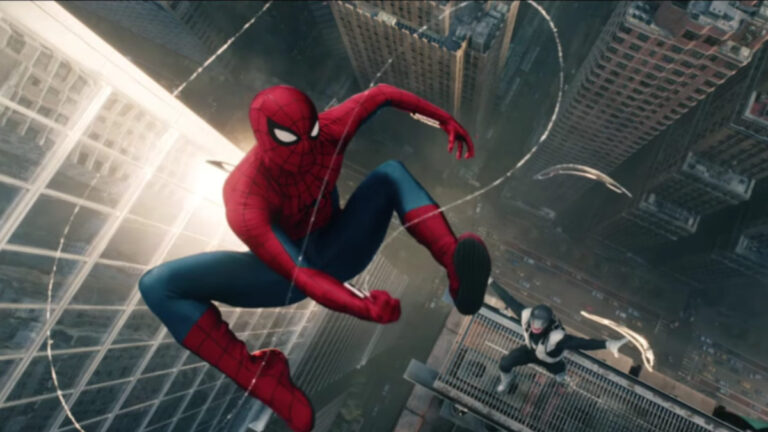
The official trailer launch of Spider-Man: Brand New Day took an unconventional turn as Tom Holland revealed it from the top of the Empire State Building in New York City. The early morning event, attended by fans gathered below, followed a global fan-driven teaser campaign that had already generated significant attention online. The decision to stage the reveal at such an iconic location added a symbolic layer to the launch, connecting the character’s story to the city that has long been central to Spider-Man’s identity.

The upcoming film continues the narrative established in Spider-Man: No Way Home, which concluded with a major turning point for Peter Parker. Several years have passed since those events, and the new storyline explores the consequences of his decision to erase his identity from the memories of those closest to him. As a result, Peter is now living in isolation, separated from his previous relationships and support system.

This shift in circumstances marks a significant change in the character’s journey. Without personal connections anchoring him, Peter devotes himself entirely to his role as Spider-Man. The trailer suggests that he is now operating as a full-time protector of the city, focusing solely on combating crime in a version of New York that no longer recognizes him. This sense of anonymity, while allowing him to function without personal attachments, also introduces new challenges.

As the narrative unfolds, the demands placed on him begin to escalate. The trailer hints at an increasing intensity in both the threats he faces and the toll his responsibilities take on him. One of the key elements introduced is a form of physical transformation or evolution that appears to affect him as the pressure mounts. While details remain limited, this development suggests a departure from previous portrayals, adding a layer of complexity to the character’s abilities and limitations.

Alongside these internal struggles, the film introduces a new pattern of criminal activity that signals the emergence of a formidable adversary. The nature of this threat is not fully revealed in the trailer, but it is presented as one of the most significant challenges Spider-Man has encountered. The combination of external danger and internal change creates a narrative that focuses on both action and psychological tension.

The film is directed by Destin Daniel Cretton, known for his work on character-driven stories within large-scale productions. The cast includes returning actors such as Zendaya and Jacob Batalon, along with new additions like Sadie Sink, Jon Bernthal, Mark Ruffalo, Michael Mando, and Tramell Tillman. Their roles are expected to contribute to both the expansion of the story and the introduction of new dynamics within the narrative.

The production is being handled by Sony Pictures Entertainment, with the film scheduled for a theatrical release on July 31. It will be available in multiple languages, including English, Hindi, Tamil, Telugu, Kannada, and Malayalam, reflecting an effort to reach a broad and diverse audience. The release across various premium formats also indicates a focus on delivering a large-scale cinematic experience.

Overall, Spider-Man: Brand New Day appears to mark a transitional phase for the character, moving beyond earlier storylines and exploring themes of isolation, responsibility, and identity. By placing Peter Parker in a situation where he must navigate both personal loss and escalating external threats, the film sets the stage for a narrative that blends action with introspective elements. As anticipation builds, the trailer offers a glimpse into a storyline that seeks to redefine Spider-Man’s role within his world.

Miley Cyrus Takes Fans Down Memory Lane in Hannah Montana 20th Anniversary Special

0

Nearly two decades after the debut of Hannah Montana, Miley Cyrus is revisiting one of the most defining chapters of her career through an upcoming anniversary special. The recently released trailer for the Hannah Montana 20th Anniversary Special has generated significant attention, offering audiences a look back at the series that played a central role in shaping Cyrus’s early career and global recognition.

The teaser, which runs for just over a minute, was shared through a collaborative announcement involving Disney+ and Hulu. It confirms that the special will premiere on March 24, aligning with the original broadcast date of the show’s debut. This timing creates a symbolic connection between the past and present, marking a full-circle moment for both the series and its audience.

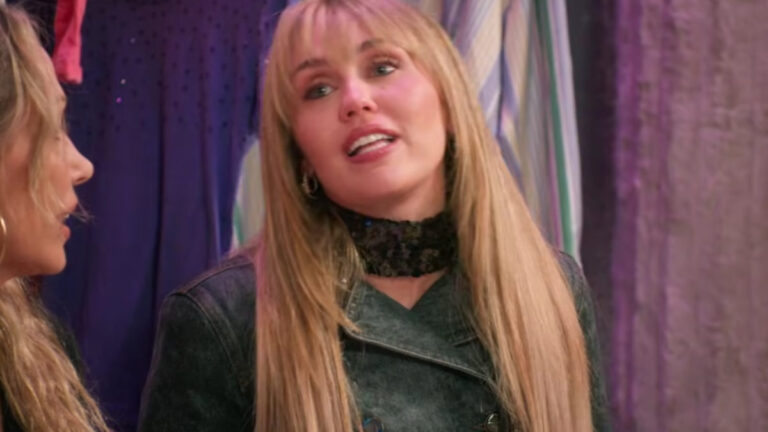
The footage combines archival clips, behind-the-scenes glimpses, and newly recorded moments featuring Cyrus revisiting familiar locations. One of the opening scenes shows her returning to the original soundstage, where she reflects on her experience with a simple but meaningful statement about being back. The setting serves as a visual reminder of the environment in which the show was produced and where Cyrus first gained widespread attention.

A notable aspect of the trailer is the inclusion of personal and emotional moments. Among them is a reunion between Cyrus and her father, Billy Ray Cyrus, who played a significant role in the original series. Their interaction, depicted as a warm embrace, has drawn attention due to previous reports suggesting a period of distance between them. While the trailer does not provide extensive context, the moment suggests an attempt to reconnect within the framework of the special.

The preview also highlights Cyrus engaging in conversations about her experiences during and after the show. In one segment, she is seen speaking with Alex Cooper, the host of the Call Her Daddy podcast. This interview segment appears to explore both her professional journey and the lasting impact of Hannah Montana on her life and career. The inclusion of such discussions indicates that the special aims to provide not only nostalgic content but also reflective insights.

Throughout the trailer, Cyrus is shown reacting emotionally to various moments, including scenes involving cast reunions and revisiting key milestones. These reactions emphasize the personal significance of the project, suggesting that the anniversary special is as much about reflection as it is about celebration. The series itself was instrumental in establishing Cyrus as a prominent figure in entertainment, blending music and television in a format that resonated with a wide audience.

The decision to release the special across multiple platforms, including Disney+ and Hulu, reflects current distribution strategies aimed at reaching a broad and diverse viewership. Additionally, its broadcast on Disney Channel on the same date as the original premiere reinforces the connection to the show’s origins, potentially appealing to both long-time fans and newer audiences.

Over the years, Cyrus has evolved significantly as an artist, moving beyond her early image associated with the series. This anniversary project provides an opportunity to revisit that phase while acknowledging the changes that have taken place since then. By combining archival material with present-day reflections, the special appears to offer a comprehensive look at the legacy of Hannah Montana.

Overall, the trailer suggests a balanced approach that blends nostalgia with introspection. Rather than focusing solely on past success, it also highlights the personal and professional growth that has occurred over time. As anticipation builds ahead of its release, the special is positioned as a moment of reflection on a cultural phenomenon that continues to hold relevance years after its original run.

Anurag Dobhal Out of ICU, Thanks Fans for Prayers

0

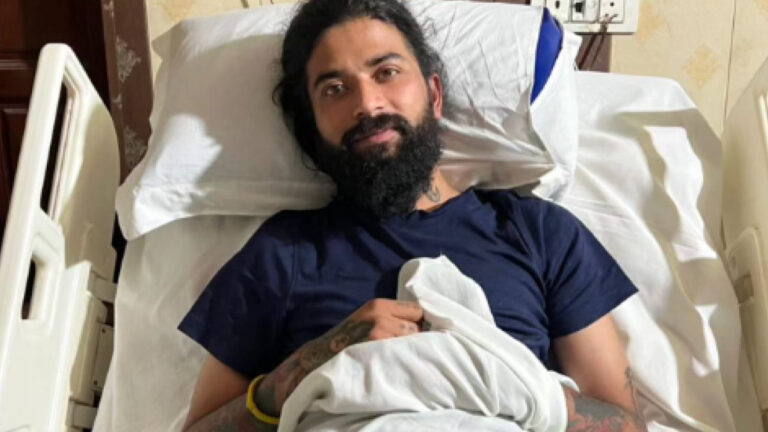
Content creator and Bigg Boss participant Anurag Dobhal, known as UK07 Rider, has shared a personal update following a serious medical emergency that recently drew widespread attention online. In a message posted on social media, he confirmed that he is currently out of the intensive care unit (ICU) and in a stable condition, while also reflecting on the circumstances that led to his hospitalization.

Dobhal’s statement comes after a distressing incident earlier this month, when he was involved in a high-speed road accident on the Delhi–Meerut Expressway. The accident reportedly occurred during a livestream, where he appeared visibly emotional and spoke about personal struggles. According to accounts of the incident, he referred to the drive as his “final” journey, raising concerns among viewers about his mental state at the time.

The vehicle he was driving is said to have been moving at a high speed before it collided with a divider, resulting in significant injuries. He was subsequently admitted to a hospital in Meerut, where medical professionals treated him for multiple fractures and related trauma. The severity of the accident led to his placement in the ICU, prompting concern among his followers and the wider online community.

In his recent update, Dobhal described his survival as unexpected, suggesting that he did not believe he would make it through the incident. He characterized the experience as life-altering, referring to it as a “new birth” and expressing uncertainty about what lies ahead. His message also acknowledged the support he received during his recovery, thanking those who reached out and prayed for his well-being.

The incident has also brought renewed attention to Dobhal’s earlier statements about his mental health. In the days leading up to the accident, he had spoken publicly about experiencing stress related to personal and family matters. He had also mentioned past struggles, including previous attempts to harm himself, indicating a pattern of ongoing emotional distress.

Adding to the complexity of the situation, there were reports that his father had issued a public statement distancing himself from Dobhal. While details surrounding this development remain limited, it has contributed to the broader narrative around the challenges he has been facing in his personal life.

Dobhal’s case highlights the intersection of social media visibility and personal vulnerability. As a public figure with a significant following, his experiences have unfolded in a highly visible manner, drawing both concern and commentary from audiences. The livestream element of the incident, in particular, has raised questions about the role of digital platforms in moments of crisis and the ways in which audiences engage with such situations in real time.

At the same time, his recovery and willingness to share an update provide a moment of reflection on resilience and the importance of support systems. While he has indicated that he is still uncertain about his future, his message suggests a shift toward reassessing his circumstances following the incident.

Overall, the situation underscores the broader issue of mental health awareness, especially among individuals who maintain a public presence online. It also serves as a reminder of the potential risks associated with emotional distress when combined with high-pressure environments or public scrutiny.

As Dobhal continues his recovery, further updates may provide clarity on his condition and next steps. For now, his statement marks a significant moment in his journey, emphasizing survival, uncertainty, and the possibility of change moving forward.

Robert Pattinson’s Shocking Transformation in Dune 3 Breaks the Internet

0

The release of the first trailer for Dune: Part Three has generated significant discussion online, with much of the attention centered on Robert Pattinson and his striking transformation for the role of Scytale. Directed by Denis Villeneuve, the upcoming installment continues the expansive science fiction narrative, but it is Pattinson’s unexpected appearance that has quickly become a focal point of audience reactions.

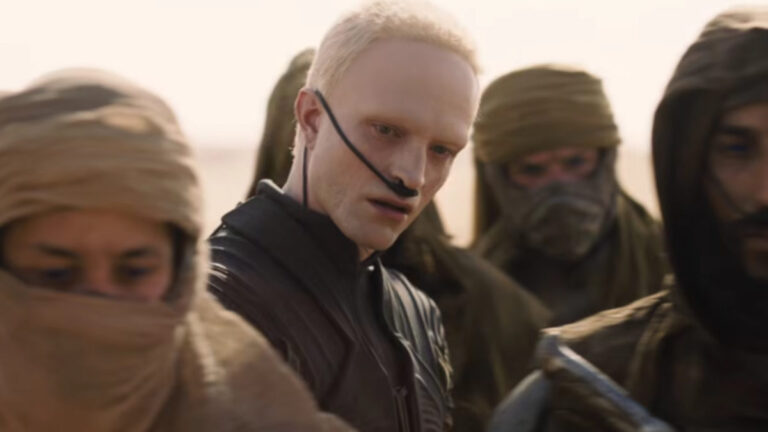
In the trailer, Pattinson appears with a dramatically altered look, featuring bleached eyebrows, a closely cropped buzz cut, and a noticeably intense screen presence. The visual transformation marks a departure from his previous roles and reinforces the film’s darker tone. His portrayal of Scytale, a complex and enigmatic antagonist from Frank Herbert’s literary universe, introduces a new layer to the evolving storyline. While only brief glimpses of the character are shown, the styling and presentation suggest a performance that leans heavily into psychological depth and ambiguity.

Following the trailer’s release on Warner Bros.’ official platforms, social media users quickly began sharing their reactions. Many viewers expressed surprise at Pattinson’s transformation, noting how different he appears compared to earlier roles, including his widely recognized performance in Twilight. The contrast between his past image and this new portrayal has contributed to renewed discussions about his range as an actor.

Several reactions highlighted the perceived intensity of his performance, even from the limited footage available. Some viewers described his transformation as evidence of his willingness to take on challenging roles, while others suggested that this could mark another significant step in his career progression. The discussion also extended to comparisons with other actors known for physical and stylistic transformations, including Christian Bale, who is often associated with immersive role preparation.

In addition to performance-related commentary, audiences also drew visual comparisons between Pattinson’s appearance and characters from other films and franchises. Some noted similarities to Sting’s portrayal of Feyd-Rautha in Dune (1984), directed by David Lynch, referencing the distinctive styling used in that earlier adaptation. Others likened his look to characters from broader popular culture, including figures from Game of Thrones, based on shared visual traits such as light-colored hair and sharp features.

Additional comparisons referenced Rutger Hauer’s performance as Roy Batty in Blade Runner, suggesting that Pattinson’s portrayal might evoke a similarly intense and memorable screen presence. These parallels reflect how audiences often interpret new performances through the lens of established cinematic references.

Beyond appearance, some discussions focused on the nature of the character itself. Scytale is known in the source material as a “Face Dancer,” a being capable of altering identity and appearance. This aspect of the role has led to speculation about how Pattinson will approach the character’s fluid identity on screen. For some viewers, casting an actor known for his versatility adds an additional layer of intrigue to the role.

The reaction also reflects broader expectations for Dune: Part Three, which is positioned as the concluding chapter in Villeneuve’s trilogy. As anticipation builds, individual elements such as character reveals and stylistic choices are receiving heightened scrutiny. Pattinson’s introduction into the franchise represents one of the major new additions, and his performance is likely to play a key role in shaping audience perceptions of the film.

Outside of this project, Pattinson continues to maintain a varied slate of upcoming work. He is set to appear in multiple films across genres, including drama, fantasy, and heist narratives, indicating an ongoing effort to diversify his portfolio. This aligns with his recent career trajectory, which has emphasized unconventional roles and collaborations with distinctive filmmakers.

Overall, the response to Pattinson’s appearance in the trailer highlights how a single visual reveal can generate widespread discussion. While it remains to be seen how the performance will be received in full, the initial reactions suggest strong audience interest in both the character and the film’s evolving narrative.