
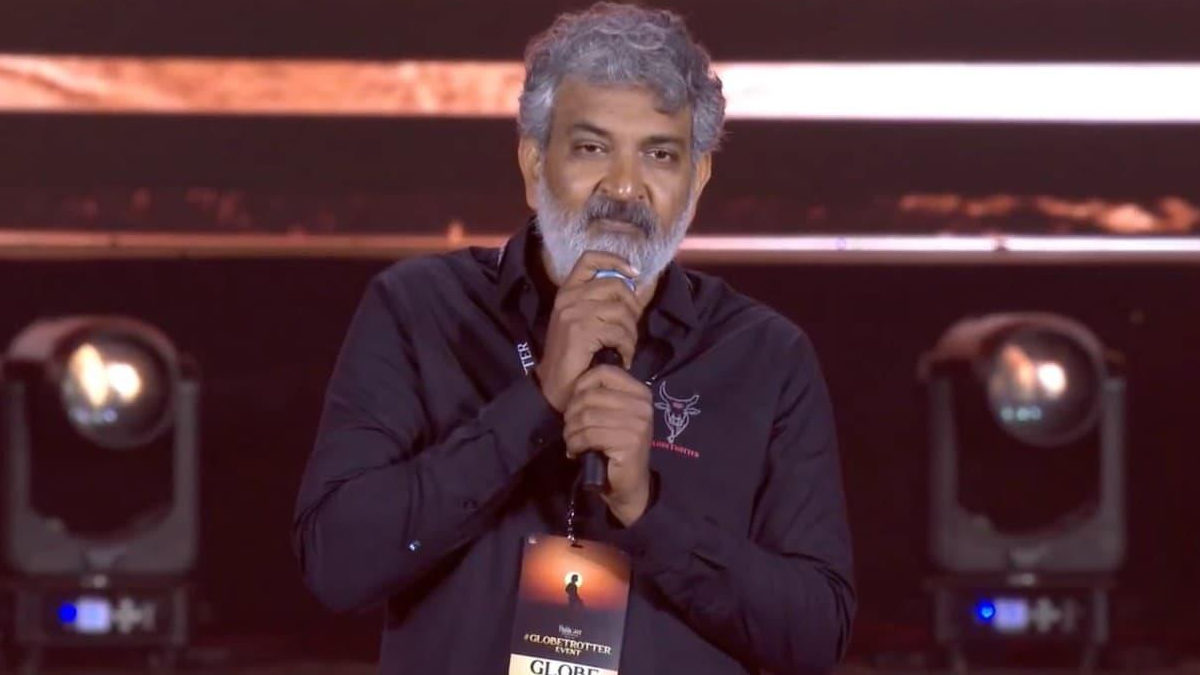
When a filmmaker like S. S. Rajamouli takes the time to write a detailed note, it is never just a casual appreciation. It is a reading of cinema from someone who understands scale, emotion, and audience psychology better than most. And when that note is directed at a relatively new director like Aditya Dhar, who is only two films old, it carries even more weight.
What Rajamouli is essentially doing here is validating growth. Not just success, but evolution. By saying that Dhurandhar The Revenge surpasses its first part in both scale and soul, he is pointing towards something very specific. Scale is expected today. Bigger budgets, wider worlds, longer runtimes. But soul is harder. Soul means emotional investment. It means the audience is not just watching but feeling. And Rajamouli is making it clear that Dhar has managed to balance both, which is rare.
There is also a deeper industry signal in the way he breaks down his praise. He does not just say the film is good. He lists writing, casting, technical execution, music, world design, and direction. This is almost like a checklist from someone who builds films layer by layer. It suggests that the film is not riding on one strength but is cohesive across departments. In trade language, that translates to strong repeat value and long theatrical legs.
His mention of emotional stakes is perhaps the most telling part. Rajamouli’s own cinema, from Baahubali to RRR, has always relied on high emotional grounding despite massive scale. By highlighting this, he is almost welcoming Dhar into that league of filmmakers who understand that spectacle without emotion is hollow.
Then comes the most interesting line. It takes guts to make and release a film that runs for four hours. This is not just a compliment. It is an acknowledgment of risk. In today’s market, where attention spans are debated constantly, a four hour film is a gamble. Rajamouli is recognizing that Dhar did not just follow trends but trusted his story. More importantly, he confirms that the audience stayed till the last frame. That is the biggest trade indicator of success. Length becomes irrelevant if engagement is intact.
His note on Ranveer Singh goes beyond standard praise. By calling out a specific sequence and describing it as a masterclass, Rajamouli is underlining performance depth within a large scale film. This matters because big films often get reduced to spectacle, with performances taking a backseat. Here, he is saying the opposite. That the film holds powerful acting moments within its grand narrative.
I loved Dhurandhar-1, but The Revenge surpassed the original in both scale and soul.
— rajamouli ss (@ssrajamouli) March 21, 2026
The writing, casting, technical execution, music, world design and direction are flawless…. But it’s the emotional stakes that really ground it.
The writing manages to weave plot twists that…
Similarly, his mention of R. Madhavan carrying the helplessness of a nation is not just about acting. It hints at the film’s thematic weight. It suggests that the story is not limited to personal conflict but reflects a larger collective emotion. That is where films move from entertainment to cultural conversation.
What stands out most is the tone. Rajamouli is not being diplomatic. He is being specific. And specificity in praise is credibility. For a director who has only two films behind him, this kind of endorsement is not just appreciation. It is positioning.
Because when someone like Rajamouli says you have delivered both scale and soul, it quietly places you in a bracket where expectations change. You are no longer a promising filmmaker. You are someone the industry and the audience will now watch more closely.
And perhaps that is the real takeaway from this note. It is not just about celebrating a film. It is about marking the arrival of a director who may no longer be judged by how many films he has made, but by the standard he has now set.