
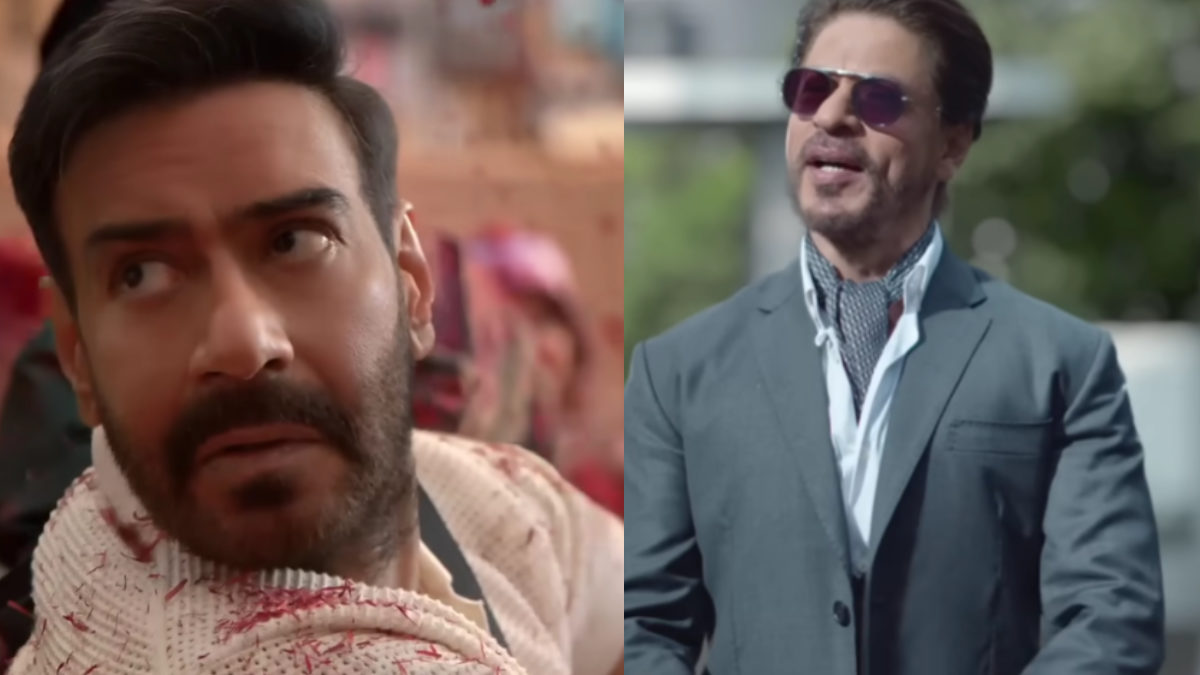
There was a time when celebrity endorsements carried at least the suggestion of personal conviction. When a sportsperson appeared beside a brand, audiences assumed there existed some relationship between the individual’s reputation and the product being sold. The celebrity was not merely visible. His face functioned as a form of assurance, implying that the product had passed through some degree of personal trust before being presented to the public.
That understanding has quietly eroded over the years. Today, the modern advertisement featuring a major actor or athlete often resembles a carefully staged performance rather than a genuine endorsement. The problem is not that celebrities appear in advertisements. Acting, after all, is their profession. The problem lies in the way advertising culture deliberately blurs the distinction between performance and personal belief, encouraging audiences to interpret scripted appearances as authentic recommendations.
Nobody seriously believes that some of India’s wealthiest actors consume the pan masala they advertise with theatrical enthusiasm. Nobody imagines that every cricketer selling fantasy gaming apps spends evenings obsessively building virtual teams for leisure. Nor do audiences genuinely assume that film stars with garages full of imported luxury vehicles privately rely on the economy cars they promote during cricket tournaments and festival campaigns. Yet these advertisements continue to operate through a carefully maintained illusion that the celebrity’s presence reflects personal trust rather than contractual obligation.
What makes this phenomenon especially interesting is that the audience itself is not entirely naive. Most viewers recognize, at least intellectually, that these are paid performances. They understand that the celebrity may never have used the product outside the studio floor. In many cases, the mismatch between the celebrity’s actual lifestyle and the product being advertised is so obvious that it has become a running joke in popular culture. And yet the advertisements continue to work with remarkable effectiveness.
That effectiveness comes from the fact that advertising has never relied entirely on rational belief. It functions through emotional association, repetition, familiarity and aspiration. A celebrity’s public image carries years of accumulated trust, glamour, discipline or desirability, and advertising agencies skillfully transfer those qualities onto products that may have no logical relationship with the celebrity whatsoever. A successful athlete suddenly lends credibility to cement or cooking oil. A beloved actor appears beside a packet of elaichi and decades of audience affection are quietly redirected toward a consumer brand. What is being transferred in these transactions is not expertise in any meaningful sense but emotional credibility itself.
Unlike cinema, which openly presents itself as fiction, advertising survives precisely because it operates within a carefully managed grey area between authenticity and performance. In films, audiences understand that actors are playing characters. Nobody walks out of a courtroom drama believing the lead actor is an accomplished constitutional lawyer. The fictional contract is transparent. Advertising, however, seeks to momentarily suspend that clarity by presenting celebrities not merely as performers but as figures whose personal stature can be absorbed by the products they promote.
This ambiguity becomes particularly uncomfortable in cases involving products with questionable social or health consequences. Celebrities frequently defend such endorsements by arguing that they are “only acting,” and technically they are correct. But the industry itself rarely markets these appearances as mere performances. It benefits enormously from the public interpreting them as signals of trust and legitimacy. One cannot comfortably enjoy the financial rewards generated by borrowed credibility while simultaneously retreating into artistic detachment when criticism arises.
What is perhaps most revealing is how thoroughly endorsement itself has changed in the age of industrial celebrity culture. Earlier forms of endorsement at least carried the expectation of selective association. Today, visibility alone has become the commodity. A celebrity may promote luxury watches, betting apps, fairness creams, pan masala, insurance platforms and edible oil within the span of a single year without any expectation of ideological consistency or personal connection to the products involved. The celebrity is no longer endorsing in the traditional sense. He is performing recognisable versions of trust for hire.
Perhaps the issue does not require moral outrage so much as cultural honesty. Audiences deserve a clearer understanding of the difference between an actor appearing in a commercial and an individual genuinely placing personal credibility behind a product. The distinction matters because trust itself matters. When every appearance is framed as endorsement, endorsement gradually loses all meaning and collapses into performance.
In cinema, we recognise actors as actors. Advertising succeeds because it quietly asks us to forget that fact, if only for thirty seconds at a time.