
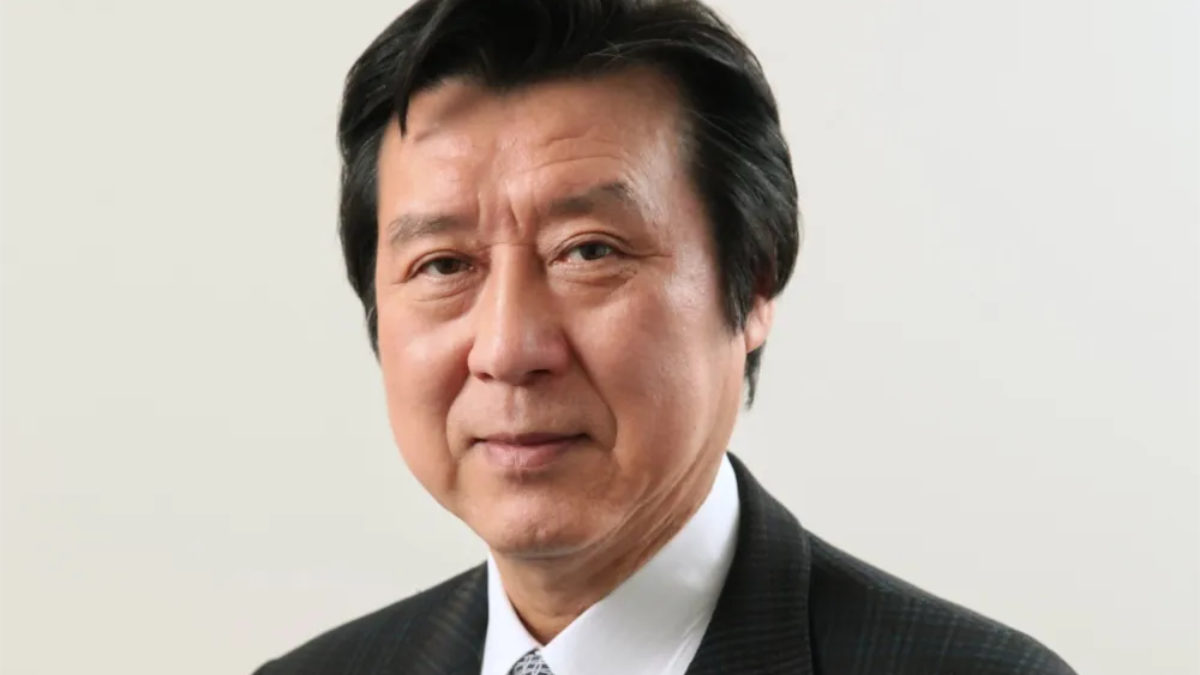
The Tokyo International Film Festival has appointed Hisamatsu Takeo as its new Festival Director, marking a return to familiar leadership at a time when global film events are increasingly competing for cultural relevance and industry attention. Takeo replaces Ando Hiroyasu, who is set to step down on May 31 after several years of steering the festival through structural and strategic changes.
This is not Takeo’s first time in the role. He previously served as Festival Director from 2017 to 2021, a period during which the festival focused on balancing entertainment with artistic value. His return suggests that TIFF is leaning into continuity rather than reinvention, choosing stability over experimentation in a rapidly evolving global festival landscape.
During Hiroyasu’s tenure, the festival underwent notable transformations, including relocating its primary hub from Roppongi to the Hibiya-Yurakucho-Marunouchi-Ginza area. The shift was aimed at increasing accessibility and visibility, and it coincided with measurable growth in audience numbers, revenues, and international participation. Hiroyasu’s contributions were also recognized internationally, with the French government awarding him the Officer of the Order of Arts and Letters.
Takeo now steps back into leadership at a time when Japan is placing increasing importance on its content industry as a key economic driver. His experience across major players such as Warner Bros. Pictures Japan and Shochiku, along with his independent venture My Way Movies, positions him as both an industry insider and a strategic operator.
In his statement, Takeo emphasized the need to strengthen the festival’s dual identity as both a cultural platform and a commercial engine. The goal is not just to showcase films, but to actively contribute to the global positioning of Japanese cinema while attracting international collaborations and investments.
The appointment reflects a broader industry trend where film festivals are no longer just about premieres and red carpets. They are evolving into strategic ecosystems that influence distribution, financing, and global storytelling pipelines. By bringing back a familiar leader with a proven track record, TIFF appears to be doubling down on a model that prioritizes long-term growth over short-term buzz.
As Takeo resumes charge, the expectation is clear. The festival must continue to grow not only as a cultural landmark but also as a business platform that can compete with global heavyweights. The next phase of TIFF will likely be defined by how well it balances these two ambitions without losing its identity.