
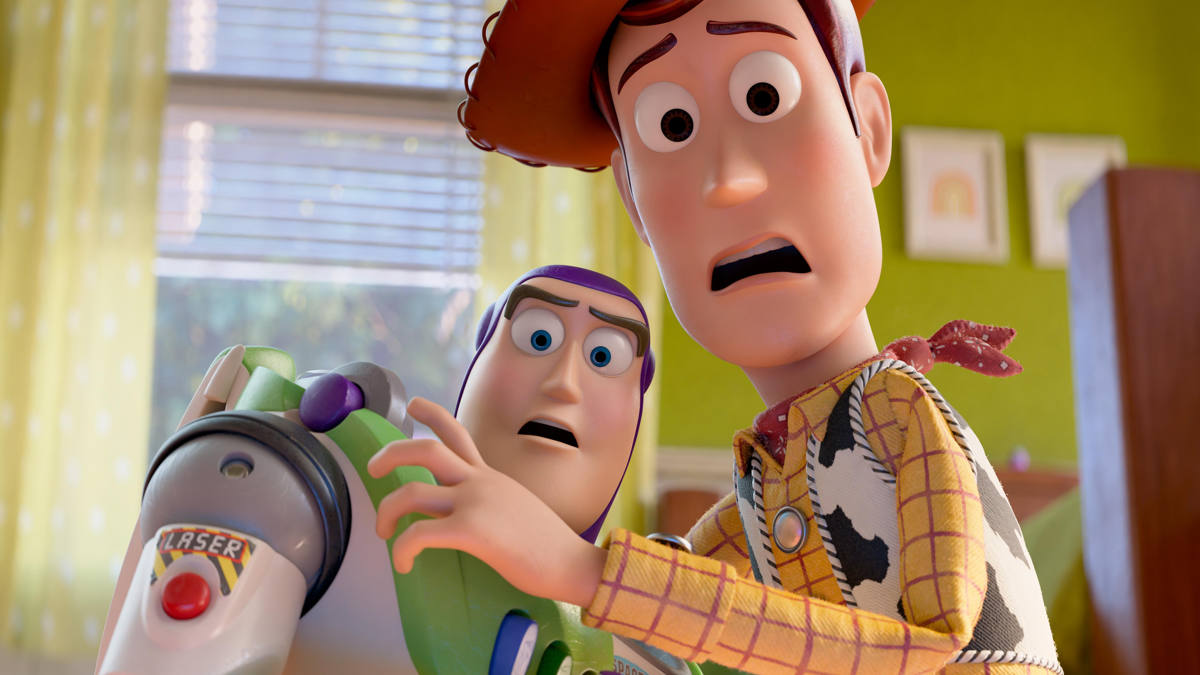
After more than three decades, Toy Story is stepping into a completely new phase. Toy Story 5 is not just another sequel. It is a reflection of how childhood itself has changed, moving from physical play to a world shaped by screens and smart devices. At the center of this shift is Andrew Stanton, one of Pixar’s most influential creatives. Known for films like Finding Nemo and WALL-E, Stanton is directing a Toy Story film for the first time. He has also suggested that this could be the last Pixar movie he directs, making this installment feel even more significant.
The story introduces a conflict that feels very current. Toys are no longer competing with other toys. They are competing with technology. A new device called Lilypad enters the picture, designed to help children socialize digitally. For the toys, this is not just a rival. It is a complete redefinition of their purpose. The film explores what happens when children begin to replace imagination with screens, and whether toys still have a place in that world.
While Woody and Buzz Lightyear remain key figures, this story leans heavily on Jessie. Voiced by Joan Cusack, Jessie becomes the emotional anchor of the film as she navigates change, abandonment, and the need to stay relevant. Her journey connects deeply with a new child character who struggles with friendship in a tech driven environment.
One of the most unexpected elements is the opening sequence, where dozens of Buzz Lightyear toys end up stranded after a shipping accident. Tim Allen voices multiple versions of Buzz, turning the scene into both a comedic moment and a deeper exploration of identity. It is a creative risk that reflects Pixar’s willingness to experiment even within a well established franchise.
Tom Hanks returns as Woody, but this time the character shows visible signs of wear. The film acknowledges something that has always been quietly present in the series. Toys age. Woody is no longer in perfect condition, and that physical change mirrors the emotional reality of being left behind. It adds a layer of realism that longtime audiences will immediately connect with.
Andrew Stanton’s perspective shapes much of the film’s tone. After decades of working on animation, he has spoken about how demanding the process is and how quickly time passes while making these films. His comments suggest that Toy Story 5 may be a personal milestone, possibly marking the end of his journey as a director at Pixar, even though he will continue contributing creatively.
What keeps Toy Story relevant is its ability to evolve. Earlier films explored growing up, letting go, and finding new purpose. This time, the focus shifts to technology and its impact on human connection. The question is no longer just about whether toys are loved. It is about whether they are needed at all.
Toy Story 5 is set to release in June 2026, bringing back familiar voices while introducing new ideas that reflect today’s world. Whether this becomes a final chapter or another turning point, it is clear that Pixar is not simply continuing the story. It is challenging it.