
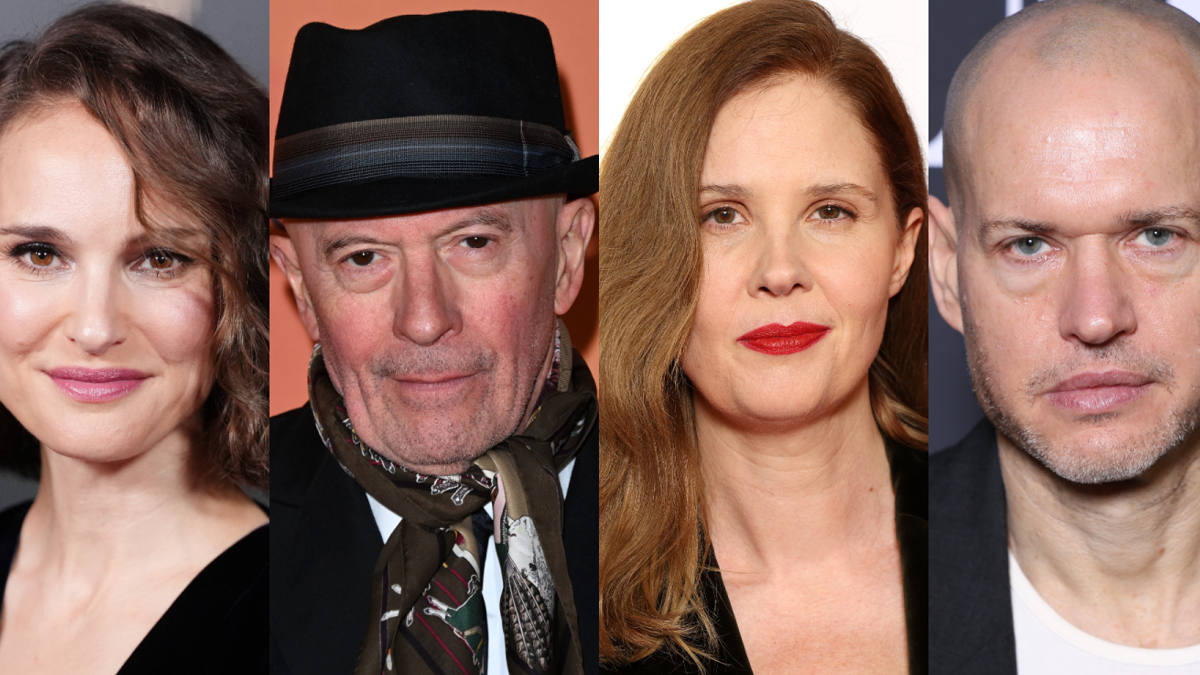
A major debate over artistic freedom, political accountability, and cultural boycotts is unfolding in the international film community. Oscar-winning actress Natalie Portman has joined hundreds of filmmakers, producers, and industry figures in signing an open letter defending acclaimed Israeli director Nadav Lapid after controversy surrounding his planned appearance at the Marseille International Film Festival. Lapid, whose films have often been sharply critical of the Israeli government, was originally set to serve on the festival jury.
However, growing pressure from pro-Palestinian filmmakers and activists reportedly led to his withdrawal from the event after some participants threatened to pull their films from the festival lineup. The situation has sparked intense discussion across the global film industry.
The open letter, which has attracted support from prominent names including Anatomy of a Fall director Justine Triet and Emilia Pérez filmmaker Jacques Audiard, argues that artists should not automatically be judged based on the actions of the governments of their home countries.
Supporters of the statement point out that Lapid has spent years publicly criticizing Israeli political leadership and has used his work to challenge policies and social issues within the country. His most recent film, Yes, is described as a harsh critique of contemporary Israeli society and the ongoing conflict in the region.
Those backing the letter argue that cultural spaces should remain open to artists who actively challenge power structures rather than excluding them because of their nationality or passport.
The controversy reflects a broader conversation currently taking place across film festivals, award shows, and cultural institutions around the world. As conflicts increasingly influence the entertainment industry, questions surrounding boycotts, representation, and artistic responsibility have become more common than ever.
Supporters of the boycott, meanwhile, argue that cultural institutions have a responsibility to take a stand and that financial or institutional connections can carry political implications regardless of an artist’s personal views.
The disagreement has created a rare situation where both sides claim to be acting in support of justice and accountability, highlighting just how complex these conversations have become.
For many in the film world, the debate is no longer only about one director or one festival. Instead, it has evolved into a larger discussion about whether art can be separated from politics and where cultural institutions should draw the line.
As the Marseille International Film Festival approaches, the controversy surrounding Lapid’s withdrawal is likely to remain one of the most closely watched discussions in international cinema this summer.