
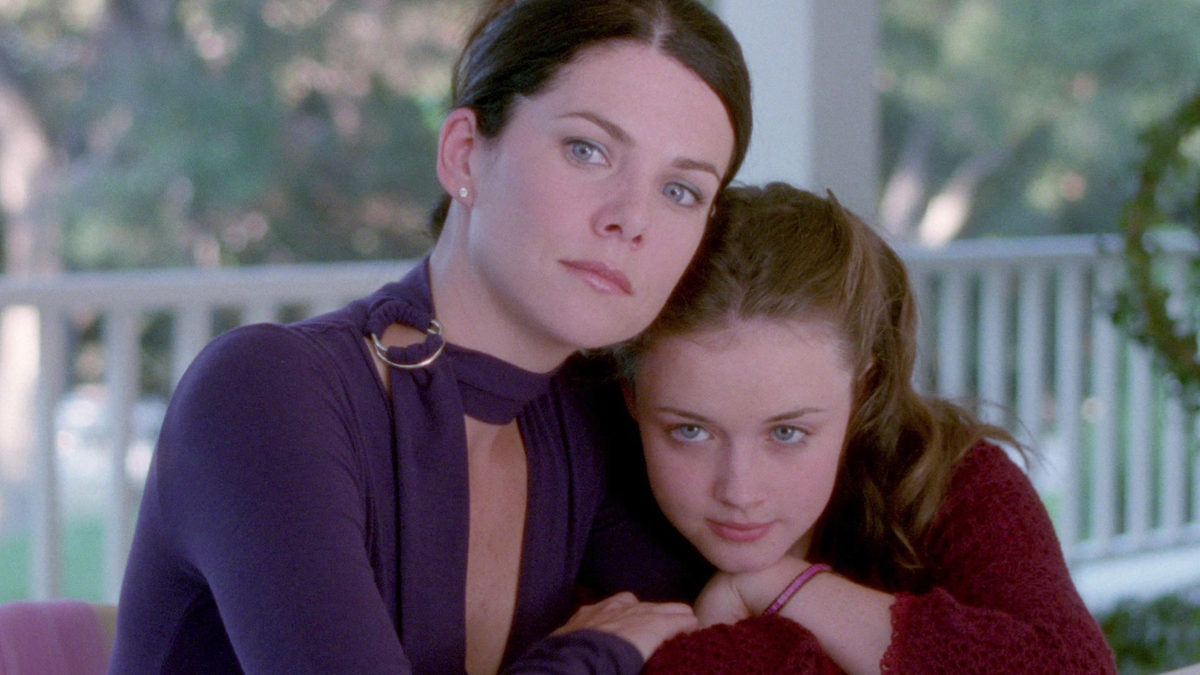
When news broke that Gilmore Girls would be leaving Netflix after 12 years, fans immediately went into panic mode. Social media was flooded with emotional reactions, angry posts and even threats to cancel subscriptions. For many viewers, Stars Hollow wasn’t just a TV show. It was comfort television. It was autumn, coffee, Luke’s Diner and late-night rewatches rolled into one. But here’s the important detail many headlines are leaving out. Gilmore Girls is leaving Netflix in the United States on June 30. International viewers, including those in many other countries, are still expected to have access to the series for now.
Which raises a bigger question.
If a show can disappear in one country while remaining available in another, who actually owns our entertainment anymore?
Streaming was supposed to make life easier. A decade ago, Netflix felt like the future. Everything was in one place. No DVDs. No cable boxes. No hunting across multiple services just to watch a single show.
Fast forward to 2026 and the opposite has happened.
Today, every major studio wants its own streaming platform. Warner Bros. has HBO Max. Disney has Disney+. Paramount has Paramount+. Amazon has Prime Video. Content constantly moves around based on licensing agreements that most viewers never even hear about until their favourite show suddenly disappears.
The Gilmore Girls situation perfectly captures that frustration. For younger viewers, the series practically feels like a Netflix original. The show arrived on Netflix in 2014 and found an entirely new generation of fans through streaming. Netflix even produced the revival series Gilmore Girls: A Year in the Life in 2016.
Yet despite being so closely associated with the platform, licensing realities still win.
That’s the strange thing about modern entertainment.
We don’t actually collect television anymore.
We rent access to it.
One month a show is available. The next month it’s gone. Sometimes it moves to another service. Sometimes it disappears entirely. Sometimes it becomes available only in certain countries.
It's a show? It's a lifestyle. It's a religion.
— Netflix (@netflix) June 15, 2026
We are sorry to say that Gilmore Girls Seasons 1-7 will be leaving Netflix in the US on June 30. Raising a cup of coffee to every fan who visited Stars Hollow with us. pic.twitter.com/xRSO50swJ9
And viewers are expected to keep up.
The irony is that streaming services were originally sold as an escape from cable television. Instead, many consumers now juggle multiple subscriptions just to watch the same content they could once find in one place.
For Indian viewers, this particular departure may not change anything immediately. Gilmore Girls remains available on Netflix India at the time of writing. But the reaction surrounding the show’s US exit reveals something much larger than a licensing update.
People aren’t simply upset because a show is leaving.
They’re upset because streaming has trained us to build routines around content that we don’t actually own.
And every time a beloved series disappears, we’re reminded that our favourite comfort watch is only ours until a contract says otherwise.