
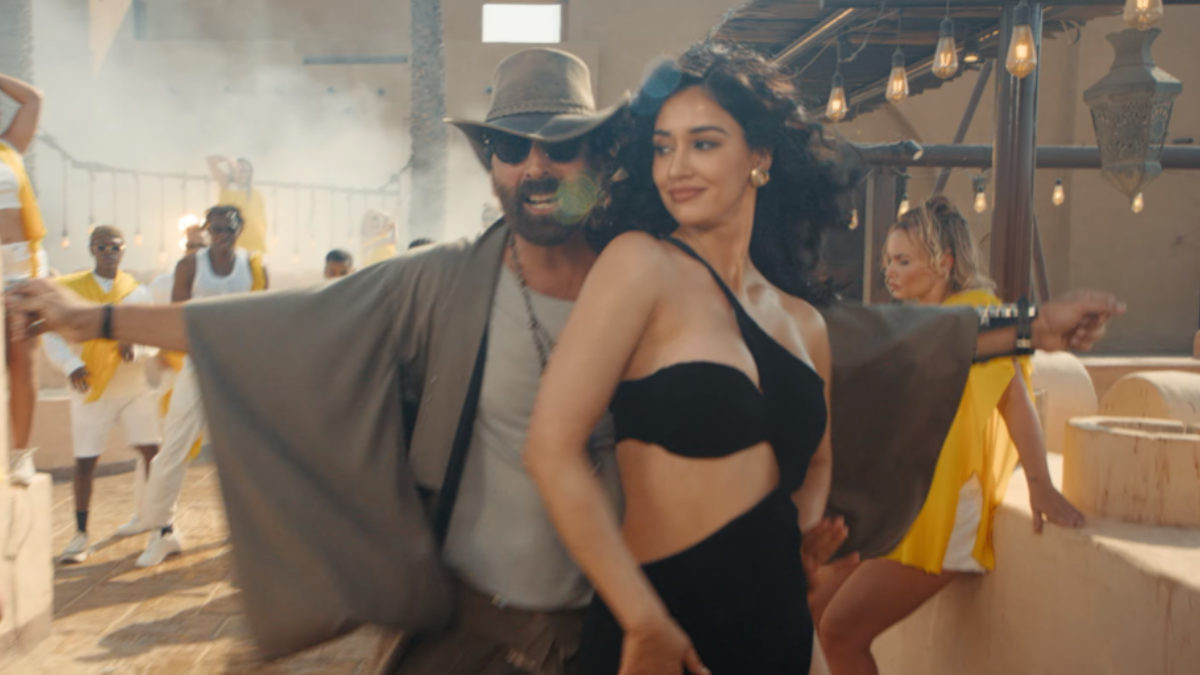
The most fascinating aspect of Welcome To The Jungle is not its star cast, its scale or even its franchise value. It is the possibility that Akshay Kumar may have quietly transformed himself from a salaried actor into the biggest stakeholder in the film’s future. Reports suggesting that the actor has opted for a nominal upfront fee in exchange for a substantial share of the film’s intellectual property have sparked conversations across the trade. On paper, it looks like a bold and potentially brilliant move. If the franchise continues to generate value through theatrical business, streaming, television and future extensions, the upside could far exceed any conventional acting fee.
But that assumption rests on one crucial question. How valuable is the Welcome franchise in 2026?
There is no denying that the brand enjoys enormous recall. The original Welcome remains one of Bollywood’s most loved comedy entertainers and Welcome Back proved that the franchise could attract audiences even without Akshay Kumar. Yet history also tells us that audiences do not buy tickets for franchise names alone. They buy tickets for the experience those names promise. That is where the uncertainty begins.
The first two films were directed by Anees Bazmee, one of the few filmmakers in Hindi cinema with a proven instinct for broad commercial comedy. His contribution went far beyond direction. He helped shape the tone, humour and character dynamics that made the franchise memorable in the first place. Welcome To The Jungle arrives with a different creative team, a different director and a different set of expectations.
Ahmed Khan has delivered commercial successes in the action space, but comedy is a completely different craft. Spectacle can sell an action film. Timing sells a comedy. The challenge is not whether the film looks big. The challenge is whether it feels funny.
The writing also raises important questions. While the film reportedly draws from material associated with the late Neeraj Vora, one of Bollywood’s finest comedy writers, audiences will ultimately judge what reaches the screen, not what existed on paper years ago. Scripts evolve, productions get delayed and audience tastes change. Perhaps that last point matters most.
The audience that embraced Welcome in 2007 and Welcome Back in 2015 no longer consumes entertainment the same way. Today’s viewer is exposed to an endless stream of content across streaming platforms, social media and global entertainment. Nostalgia can create curiosity, but it cannot guarantee footfalls. The competition is no longer another comedy release. It is every form of entertainment available at the touch of a screen.
Even the reported pre-release recovery figures should be viewed carefully. In today’s market, digital platforms increasingly evaluate deals through the lens of theatrical performance. A strong box office run can enhance value. A weak one can alter the economics very quickly. What appears secure before release may not always remain secure afterwards.
None of this means Welcome To The Jungle is headed for trouble. In fact, the film possesses several strengths that most releases would envy. It has a recognizable franchise, a popular lead star, iconic supporting characters and broad family appeal. But it is also attempting something difficult. It is trying to recreate the magic of a beloved franchise while changing several of the ingredients that helped create that magic.
That is why every stakeholder appears to be walking a tightrope. Akshay Kumar is betting on the long-term value of the brand. The producers are betting that nostalgia still translates into ticket sales. The distributors are betting that the franchise can cut through a crowded entertainment landscape. The exhibitors are betting that family audiences will return to theatres.
The outcome may ultimately depend on something far simpler than valuations, rights deals or intellectual property. If the humour lands, the film could emerge as one of the biggest commercial successes of the year. If it doesn’t, Welcome To The Jungle could become another reminder that in cinema, brands may open doors, but content still decides how long they stay open.