
The warning plays before every film in India. It clearly states that recording or sharing any part of the film can lead to legal action under the Cinematograph Act, 1952 and the Copyright Act, 1957. The message is direct, serious and legally enforceable. And yet, within hours of a film’s release, clips begin to flood social media. Key scenes, punch dialogues and even emotional moments start circulating across platforms like Instagram, YouTube and X. The contradiction is visible, and it raises a question the industry rarely answers openly. If this is illegal, why does it continue almost unchecked?
The answer lies in the gap between law and practicality. The law is designed to deal with organized piracy, not thousands of individuals recording short clips on their phones inside theatres. Enforcement at that scale is nearly impossible. By the time a clip is identified and reported, it has already travelled across multiple accounts and formats. Takedown systems exist, but they are reactive. They depend on complaints, and by the time action is taken, the content has often achieved its purpose. It has been seen, shared and amplified.
More importantly, not all leaks are treated equally. The industry draws an invisible line between what is harmful and what is useful. A full film leak or a high-quality pirated copy is seen as a direct threat to revenue and is dealt with aggressively. Legal teams step in, links are taken down, and enforcement becomes visible. But short clips, especially those under a minute, exist in a grey zone. They are technically illegal, but commercially, they often work in favour of the film.
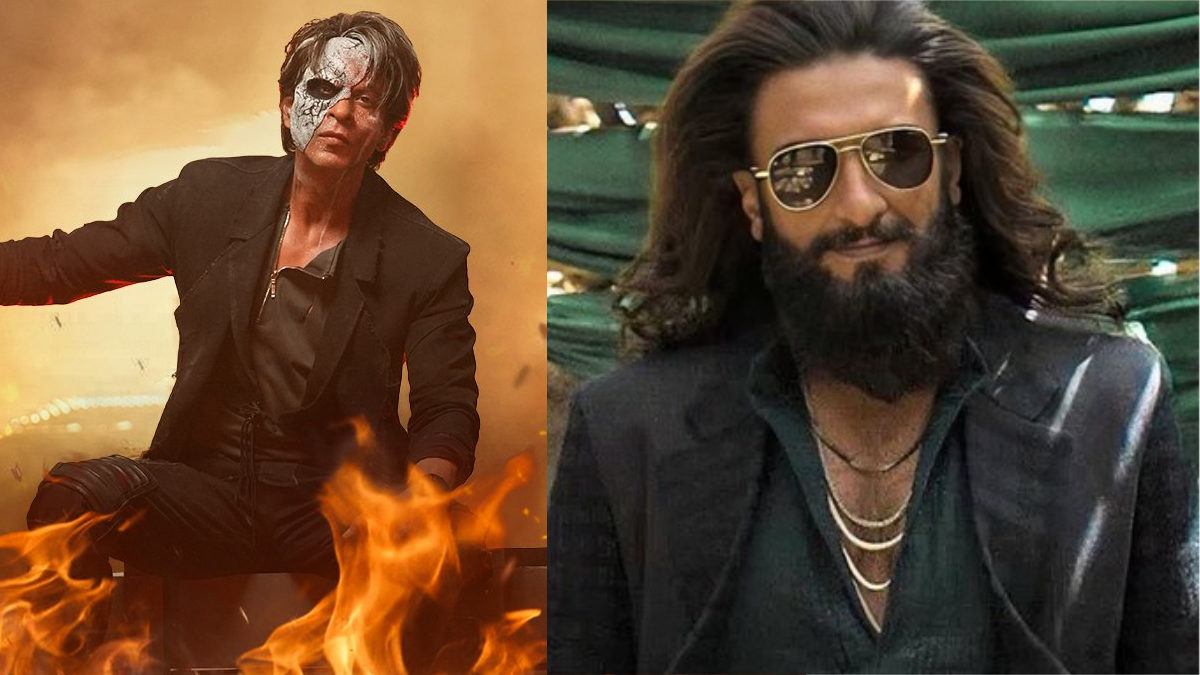
Recent films have demonstrated this pattern clearly. When Jawan released, several whistle-worthy moments featuring Shah Rukh Khan went viral within hours. Dialogues and entry scenes circulated widely, turning into reels and trending audio. Instead of hurting the film, these clips amplified its reach. They pushed fence-sitters into theatres and reinforced repeat viewing among fans. A similar trend was seen with Animal, where intense scenes featuring Ranbir Kapoor became social media talking points. The conversations extended beyond reviews into meme culture, debates and fan edits. The film stayed alive in public discourse far longer than a traditional release cycle.
The same phenomenon played out with Pushpa: The Rise, where dialogues and mannerisms popularised by Allu Arjun spread rapidly across platforms. These were not official promotional assets. Most were recorded or recreated by audiences. Yet they became one of the biggest drivers of the film’s recall value and mass penetration across regions.
Across the current theatrical landscape, no example captures this shift better than Dhurandhar and its sequel Dhurandhar: The Revenge. Despite strict anti-piracy warnings under the Cinematograph Act, 1952 and the Copyright Act, 1957, clips from the film began circulating across Instagram, YouTube and X within hours of release. Entry sequences, punch dialogues and high-impact moments quickly transitioned from theatre screens to mobile feeds, creating a parallel wave of audience engagement that extended far beyond traditional marketing. What stands out is not just the scale of this circulation, but the absence of immediate enforcement, allowing these clips to build momentum, shape public conversation and drive curiosity among audiences who have yet to watch the film.
This is where the industry’s silent strategy begins to emerge. There is a clear difference between what is officially allowed and what is informally tolerated. No studio will publicly endorse people recording content inside theatres. But in practice, small-scale leakage that fuels buzz is often ignored unless it crosses a certain threshold. That threshold is usually defined by narrative damage. If a clip reveals a major twist, exposes the climax or appears in high quality that could substitute the viewing experience, it is quickly targeted. If it simply teases, excites or creates curiosity, it is often left alone long enough to circulate.
Social media platforms also play a role in this ecosystem. Their systems are designed around engagement, not pre-emptive policing. Content that starts trending is pushed further by algorithms before it is flagged. By the time moderation happens, the clip has already achieved virality. In many cases, even if the original upload is removed, multiple copies continue to exist across accounts. The spread becomes difficult to contain.
What has effectively emerged is a parallel marketing cycle that sits outside official campaigns. A powerful scene is recorded in a theatre. It is uploaded within minutes. It gets picked up by fan pages and meme creators. It turns into short-form content, trending audio and cultural shorthand. This loop creates organic visibility that traditional marketing budgets struggle to achieve. It is immediate, emotional and driven by audience validation rather than studio messaging.
The uncomfortable truth is that the industry today operates with a dual approach. Publicly, it maintains a strict anti-piracy stance backed by law. Privately, it recognises that not all forms of infringement are equal in impact. Some erode revenue, while others expand reach. The challenge is not eliminating leaks entirely, but managing where to draw the line.
For trade observers, this is less a case of enforcement failure and more a case of evolving strategy. The theatrical warning remains necessary because it protects the film from serious piracy. At the same time, the ecosystem has adapted to a reality where controlled, low-level leakage can act as an informal extension of marketing. It is not officially sanctioned, but it is deeply embedded in how films travel today from the big screen to the small screen in a matter of minutes.