
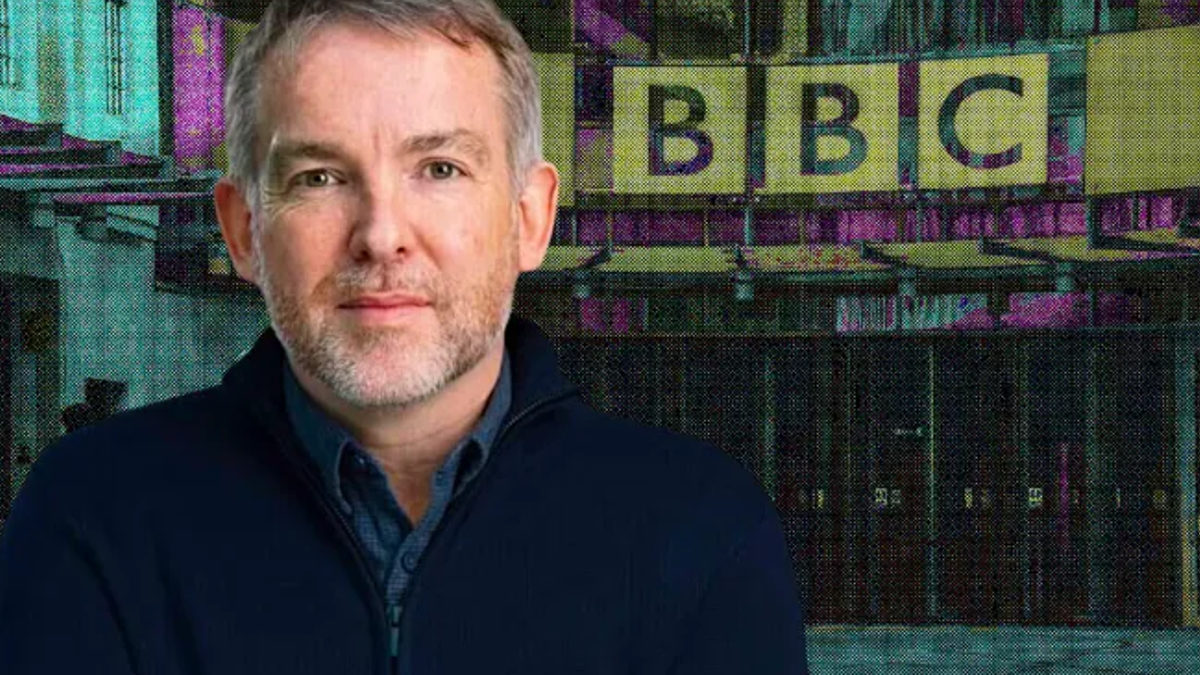
BBC is preparing for one of its most significant workforce reductions in recent years, with plans to cut up to 2,000 jobs as part of a wider effort to reduce costs. The announcement was made by Rhodri Talfan Davies during an internal staff call, where he outlined the scale of the proposed changes. Between 1,800 and 2,000 roles are expected to be impacted, which accounts for roughly one in every ten employees across the organization. While the BBC has stated that it will open a voluntary redundancy scheme to minimize forced layoffs, the reality is that thousands of employees are now facing uncertainty.
More detailed information is expected in September, leaving staff in a prolonged period of anxiety about their future.The cuts are part of a broader financial restructuring plan. The BBC has already committed to reducing its cost base by £500 million over the next three years, adding to an existing target of £1.5 billion in savings. Immediate cost control measures are also being introduced, including restrictions on hiring, travel, consultancy spending, and event-related expenses.
At the core of the issue is the BBC’s funding model. Despite reaching around 94 percent of the UK population every month, fewer than 80 percent of households are paying the annual licence fee, which currently stands at £180. This gap between usage and payment has created a financial strain that leadership now describes as unsustainable.
According to insiders, the tone of the internal briefing was stark. Executives made it clear that the current system cannot continue in its existing form. One source quoted Davies as saying that if the funding model matched actual consumption, these cuts would not be necessary, suggesting that the problem is structural rather than temporary.
The response from within the organization has been immediate. Some employees have described the scale of the cuts as excessive, while unions have warned of long-term damage. Philippa Childs, head of the media union Bectu, stated that reductions of this magnitude would not only affect staff but also weaken the BBC’s ability to deliver on its public service mission.
There are also concerns about the wider impact on the creative industry. The BBC plays a central role in commissioning content and supporting talent across the UK. Any reduction in its capacity is likely to affect production pipelines, opportunities, and the broader media ecosystem.
The timing of the announcement is also notable. It comes just ahead of the arrival of a new director general, with some suggesting that leadership is attempting to address major financial challenges before a transition at the top.
For now, the situation remains fluid. The voluntary redundancy process will begin, further details will emerge in the coming months, and the long-term impact of these decisions will only become clear over time.
What is certain is that the BBC is entering a period of significant change, and the consequences will extend far beyond the organization itself.