Home Blog Page 71

Celebrity Endorsements or Paid Performances? The Truth About Ad Culture

0

There was a time when celebrity endorsements carried at least the suggestion of personal conviction. When a sportsperson appeared beside a brand, audiences assumed there existed some relationship between the individual’s reputation and the product being sold. The celebrity was not merely visible. His face functioned as a form of assurance, implying that the product had passed through some degree of personal trust before being presented to the public.

That understanding has quietly eroded over the years. Today, the modern advertisement featuring a major actor or athlete often resembles a carefully staged performance rather than a genuine endorsement. The problem is not that celebrities appear in advertisements. Acting, after all, is their profession. The problem lies in the way advertising culture deliberately blurs the distinction between performance and personal belief, encouraging audiences to interpret scripted appearances as authentic recommendations.

Nobody seriously believes that some of India’s wealthiest actors consume the pan masala they advertise with theatrical enthusiasm. Nobody imagines that every cricketer selling fantasy gaming apps spends evenings obsessively building virtual teams for leisure. Nor do audiences genuinely assume that film stars with garages full of imported luxury vehicles privately rely on the economy cars they promote during cricket tournaments and festival campaigns. Yet these advertisements continue to operate through a carefully maintained illusion that the celebrity’s presence reflects personal trust rather than contractual obligation.

What makes this phenomenon especially interesting is that the audience itself is not entirely naive. Most viewers recognize, at least intellectually, that these are paid performances. They understand that the celebrity may never have used the product outside the studio floor. In many cases, the mismatch between the celebrity’s actual lifestyle and the product being advertised is so obvious that it has become a running joke in popular culture. And yet the advertisements continue to work with remarkable effectiveness.

That effectiveness comes from the fact that advertising has never relied entirely on rational belief. It functions through emotional association, repetition, familiarity and aspiration. A celebrity’s public image carries years of accumulated trust, glamour, discipline or desirability, and advertising agencies skillfully transfer those qualities onto products that may have no logical relationship with the celebrity whatsoever. A successful athlete suddenly lends credibility to cement or cooking oil. A beloved actor appears beside a packet of elaichi and decades of audience affection are quietly redirected toward a consumer brand. What is being transferred in these transactions is not expertise in any meaningful sense but emotional credibility itself.

Unlike cinema, which openly presents itself as fiction, advertising survives precisely because it operates within a carefully managed grey area between authenticity and performance. In films, audiences understand that actors are playing characters. Nobody walks out of a courtroom drama believing the lead actor is an accomplished constitutional lawyer. The fictional contract is transparent. Advertising, however, seeks to momentarily suspend that clarity by presenting celebrities not merely as performers but as figures whose personal stature can be absorbed by the products they promote.

This ambiguity becomes particularly uncomfortable in cases involving products with questionable social or health consequences. Celebrities frequently defend such endorsements by arguing that they are “only acting,” and technically they are correct. But the industry itself rarely markets these appearances as mere performances. It benefits enormously from the public interpreting them as signals of trust and legitimacy. One cannot comfortably enjoy the financial rewards generated by borrowed credibility while simultaneously retreating into artistic detachment when criticism arises.

What is perhaps most revealing is how thoroughly endorsement itself has changed in the age of industrial celebrity culture. Earlier forms of endorsement at least carried the expectation of selective association. Today, visibility alone has become the commodity. A celebrity may promote luxury watches, betting apps, fairness creams, pan masala, insurance platforms and edible oil within the span of a single year without any expectation of ideological consistency or personal connection to the products involved. The celebrity is no longer endorsing in the traditional sense. He is performing recognisable versions of trust for hire.

Perhaps the issue does not require moral outrage so much as cultural honesty. Audiences deserve a clearer understanding of the difference between an actor appearing in a commercial and an individual genuinely placing personal credibility behind a product. The distinction matters because trust itself matters. When every appearance is framed as endorsement, endorsement gradually loses all meaning and collapses into performance.

In cinema, we recognise actors as actors. Advertising succeeds because it quietly asks us to forget that fact, if only for thirty seconds at a time.
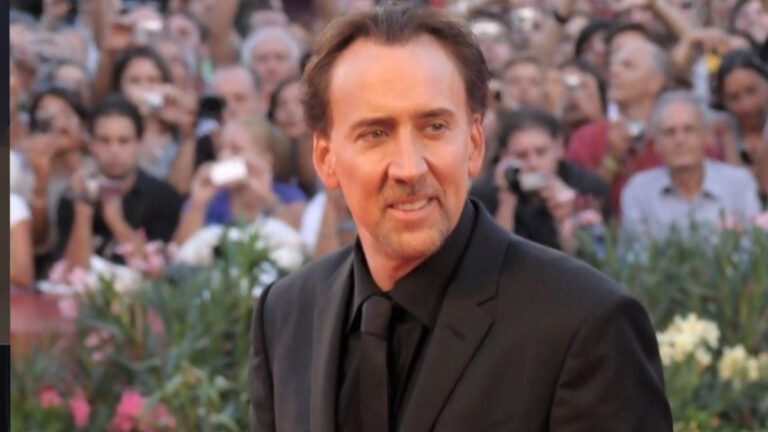

Nicolas Cage Says Christopher Nolan Never Called Him Again After He Rejected ‘Insomnia’

0

Nicolas Cage says turning down one role from Christopher Nolan was apparently enough to end their working relationship forever. In a new interview with The New York Times, Cage revealed that several major directors stopped reaching out to him after he declined projects early in his career. And yes, Christopher Nolan was one of them.

According to Cage, Nolan originally offered him a role in the 2002 psychological thriller Insomnia, which eventually starred Al Pacino, Robin Williams, and Hilary Swank.

But Cage turned it down.

And apparently Nolan never forgave him.

“Most of them, they get their feelings hurt and don’t call you back,” Cage explained during the interview. “It’s happened with Christopher Nolan, it’s happened with Woody Allen, it’s happened with Paul Thomas Anderson.”

Honestly, considering how many actors would probably sell a kidney for a Nolan role today, that sentence feels mildly insane.

Cage also revealed that Paul Thomas Anderson had approached him for one of his very early films, though the project ultimately “didn’t work out.”

The actor admitted that most directors who hear “no” once usually never return with another offer.

Except for David O. Russell.

Cage said Russell was the rare exception who actually came back years later with another project after an earlier rejection.

That second opportunity ended up becoming Madden, where Cage plays legendary NFL coach and commentator John Madden.

The film also stars Christian Bale, John Mulaney, Kathryn Hahn, Sienna Miller, and Shane Gillis.

Cage described playing Madden as a major challenge because he never naturally associated himself with the football icon.

To prepare mentally, he leaned on advice once given to him by David Bowie.

“I asked him how he kept reinventing himself,” Cage recalled. “He said, ‘I just never got comfortable with anything I was doing.’”

That mindset, honestly, explains Nicolas Cage’s entire career better than anything else ever has.

This is a man who went from Moonstruck to Face/Off to Leaving Las Vegas to whatever beautiful chaos Longlegs was supposed to be.

Meanwhile, Nolan still has not cast him in anything.

Which honestly feels like one of the weirdest missed collaborations in Hollywood history.

Jennifer Lopez Celebrates Memorial Day in White Bikini With Max and Emme During Family Karaoke Night

Jennifer Lopez spent Memorial Day soaking up the Los Angeles sun with her kids, close friends, and a surprisingly dramatic family sing-along session. The singer and actress shared photos and videos from the holiday celebration on Instagram, giving fans a glimpse into a relaxed poolside gathering with twins Max and Emme. And honestly, it looked like the most aggressively wholesome celebrity Memorial Day imaginable. Jennifer posted photos of herself sunbathing in a white triangle bikini before later changing into a white lace cutaway dress for the evening celebration.

In one clip, she floated in the pool with friends while another showed the entire group passionately singing along to “Total Eclipse of the Heart” by Bonnie Tyler.

Because apparently every family gathering eventually turns into karaoke whether you plan for it or not.

The sweetest moments, though, involved her twins, Max and Emme, both now 18 years old.

Jennifer shared a photo cuddling Max in front of an American flag while another image showed Emme spending time beside her mom during the celebration.

Lopez captioned the post, “Spending the day with the people I love. Happy Memorial Day everybody ❤️🤍💙.”

The holiday photos also reminded fans how quickly Jennifer’s children have grown up.

She welcomed Max and Emme back in 2008 with ex-husband Marc Anthony, and over the years she has spoken openly about how motherhood deeply changed her life.

In a previous interview, Lopez described her love for her children as “unconditional” and admitted that parenting teenagers comes with an entirely new level of chaos.

“The teenage years are tough,” she previously said. “They are challenging everything you say and everything you do and everything you are.”

Honestly, every parent reading that probably felt immediate war flashbacks.

Jennifer has also spoken before about how differently she parents compared to her own mother.

Unlike her mom, who had children very young and stayed home raising them, Lopez became a mother later in life while balancing an already massive global career.

She once explained that because she had her twins at 38, she approached parenting from a much more mature perspective.

And despite being one of the most famous women in the world, moments like these honestly feel surprisingly normal.

Pool day.

Family photos.

Embarrassing sing-alongs.

Teenagers pretending they are not annoyed.

The only difference is that most people are not doing it in a mansion while looking like a luxury fashion campaign.

All the Chaos at 2026 American Music Awards

0

The 2026 American Music Awards somehow managed to feel both wildly entertaining and completely chaotic at the same time. Hosted by Queen Latifah, the ceremony leaned heavily into nostalgia, surprise reunions, internet-favorite artists, and fandom-driven moments that basically defined modern pop culture in 2026. And honestly, some moments genuinely worked. Others felt like the show was held together with glitter, panic, and pure fan service.

The biggest winners of the night were obviously BTS.

The group completely dominated the AMAs from start to finish, opening the ceremony with “Hooligan,” winning Song of the Summer for “SWIM,” taking home Best Male K-Pop Artist, and eventually closing the night by winning Artist of the Year.

Every single time the members appeared on screen, the audience basically exploded.

It was their first major awards show appearance in four years, and the AMAs knew exactly how important that was. The entire show honestly revolved around BTS energy.

Another massive standout was Billy Idol, who closed the ceremony with what was probably the best performance of the night.

At 70 years old, Billy Idol somehow brought more energy than half the younger lineup combined.

After accepting the Lifetime Achievement Award, he performed “Eyes Without a Face” and “Dancing With Myself,” instantly waking up a ceremony that Entertainment Weekly described as “fairly snoozy” at times.

And honestly, they were not wrong.

The night also leaned heavily into reunion culture.

The Pussycat Dolls returned in full red latex chaos mode for their first AMA appearance in 20 years, performing “Buttons,” “When I Grow Up,” “Don’t Cha,” and a brand-new single called “Club Song.”

Then came Fergie reuniting with Black Eyed Peas after years apart, which instantly became one of the most nostalgic moments of the night.

The crowd reaction alone felt like 2010 Tumblr and YouTube culture had suddenly returned from the dead.

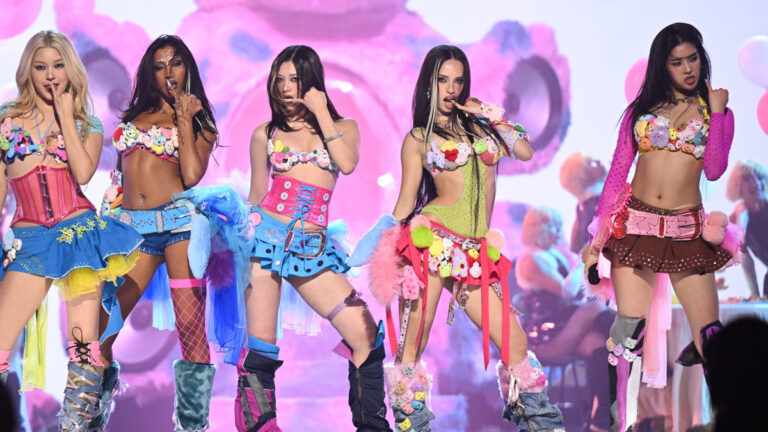
Meanwhile, KATSEYE continued their massive breakout year with a surreal “Pinky Up” performance involving giant teddy bears, floating stuffed animals, and pure internet-core chaos.

They also won New Artist of the Year, proving their rise is becoming impossible to ignore now.

But the AMAs also had several genuinely weird decisions.

One of the biggest complaints online was the show giving away Song of the Year within the first half hour.

Which honestly makes zero sense for one of the biggest awards of the night.

Still, at least the award went to HUNTR/X from KPop Demon Hunters for “Golden,” which most people agreed deserved the win anyway.

Another awkward moment came from the presentation skit featuring the cast of Hacks.

Despite Megan Stalter and Paul W. Downs usually being hilarious, the segment reportedly fell completely flat with random jokes that barely landed.

And then there was the strange handling of New Kids on the Block.

The legendary boy band only got to perform one song, “You Got It (The Right Stuff),” despite fans desperately wanting a full medley of classics like “Step by Step” and “Hangin’ Tough.”

Honestly, giving New Kids on the Block one song at a nostalgia-heavy awards show feels almost disrespectful.

One of the funniest recurring themes of the night was how heavily the AMAs relied on nostalgia acts to keep the audience energized.

Hootie & the Blowfish.

Billy Idol.

Pussycat Dolls.

Fergie and Black Eyed Peas.

New Kids on the Block.

Even the Goo Goo Dolls got a massive sing-along moment after Queen Latifah walked into the crowd and started singing “Iris” with the audience.

And weirdly enough, it worked.

Because despite all the messy pacing, awkward comedy bits, and random category choices, the 2026 AMAs still managed to feel fun in a very chaotic way.

Not polished.

Not particularly organized.

But entertaining.

And honestly, that might be exactly what award shows need right now.

Celebrities who refused Endorsements and why it Matters

0

For all the criticism directed at celebrity endorsements, there remains a far less discussed category of public figures whose refusals may reveal more about advertising culture than the endorsements themselves. In an age where nearly every public appearance can be monetised, the act of saying no has acquired unusual significance.

Modern celebrity culture does not reward restraint. Actors and athletes are expected to maximise visibility across industries regardless of whether they personally connect with the products involved. A single celebrity may endorse luxury watches, edible oil, betting apps, fairness creams and insurance platforms within the same year without audiences expecting any ideological consistency whatsoever. Commercial visibility has become the metric, not credibility.

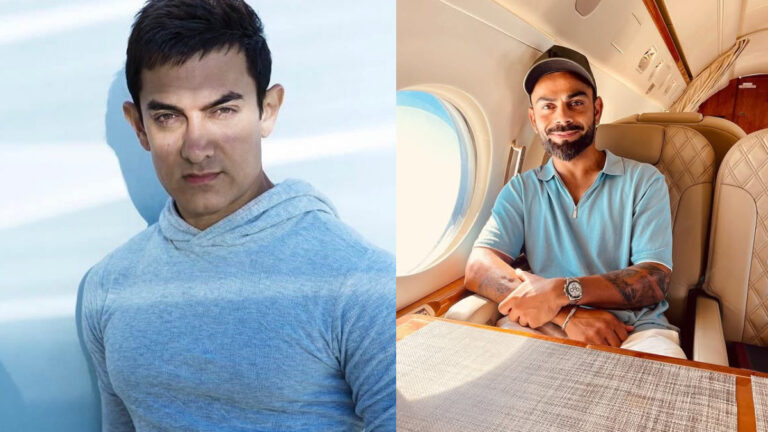
Which is precisely why selective refusal stands out. When Aamir Khan publicly stated that he would never endorse fairness creams because beauty should not be linked to skin colour, the remark resonated because such positions had become increasingly rare in mainstream celebrity culture. At a time when fairness cream advertising dominated Indian advertising and involved some of the country’s biggest stars, declining those deals meant walking away from one of the industry’s safest and most profitable endorsement categories. His reasoning was simple enough. Public figures should not reinforce the idea that lighter skin determines beauty or success.

Virat Kohli made a similarly revealing point when he distanced himself from soft drink endorsements and explained that he no longer felt comfortable promoting products he personally would not consume. The statement drew attention because it disrupted the normal logic of celebrity advertising. Endorsements are usually defended as professional assignments with no relationship to personal behaviour. Kohli instead suggested that there should not be a complete disconnect between what a celebrity publicly promotes and what he privately avoids.

What made these moments interesting was not moral perfection. Neither celebrity exists outside the machinery of branding and commercial partnerships. Both continue to endorse numerous products. But their refusals introduced a distinction that modern advertising increasingly tries to erase, namely the difference between visibility and conviction.

Other examples reveal similar tensions. Sushant Singh Rajput openly criticised fairness cream advertising and argued that celebrities should not endorse one skin tone over another. Kartik Aaryan later admitted that he chose not to renew a fairness cream endorsement after becoming uncomfortable with the messaging attached to the product. Telugu actor Allu Arjun reportedly declined tobacco related endorsements because he did not personally consume such products and felt it would send the wrong message to his audience.

Even outside cinema, selective endorsement has often functioned as a form of reputational discipline. Sachin Tendulkar, despite decades at the peak of Indian sporting fame, never endorsed tobacco or alcohol brands even though both industries historically offered enormous advertising money. That restraint became meaningful precisely because it remained consistent over time. In a culture where celebrity visibility is endlessly expandable, the refusal to associate with certain products can itself become a statement of values.

What these examples ultimately demonstrate is that endorsement still carries ethical meaning, even within an intensely commercial environment. The moment a celebrity rejects a product on social, moral or health grounds, endorsement stops appearing like pure acting and begins to resemble an extension of personal credibility. Audiences may not consciously analyse these decisions in detail, but they recognise the distinction instinctively.

Perhaps this also explains why modern advertising has become increasingly obsessed with performing authenticity. In Western celebrity culture especially, endorsements are no longer presented as straightforward advertisements alone. Celebrities now speak about products as part of their routines, lifestyles and personal habits. They “believe” in brands, “invest” in companies and “use” products in carefully curated public settings. The industry understands that visibility alone is no longer enough. Audiences want the appearance of alignment. And alignment becomes believable only when refusal remains possible.

The public no longer admires celebrities merely because they are famous. Fame itself has become too industrialised and commercially saturated. What people increasingly respond to is selectiveness. A celebrity who appears willing to reject money for reasons of principle often appears more credible when endorsing something else later.

This does not mean celebrity culture has suddenly become ethical. Even refusal can become branding. Selective restraint can function as reputation management in an era where authenticity itself has commercial value. But that complexity does not make the distinction meaningless.

In a marketplace overflowing with performances of trust, the rare decision not to participate commercially can still communicate something genuine. Sometimes the advertisements celebrities refuse tell us far more about credibility than the advertisements they agree to appear in.

Randeep Hooda Reveals Why He Rejected Aurangzeb Role In Chhaava

0

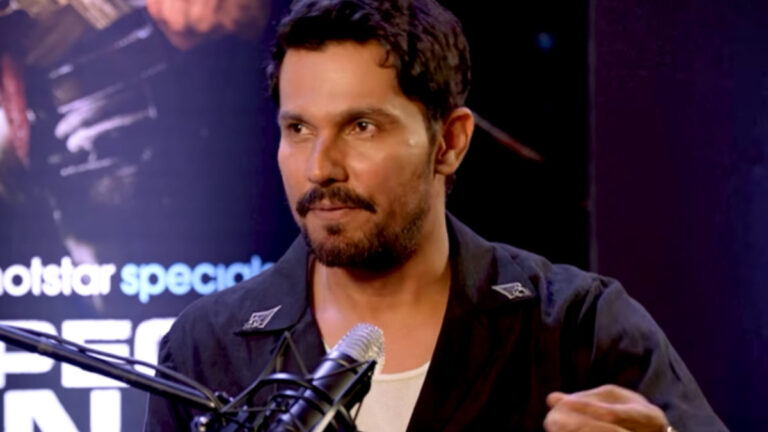
Actor Randeep Hooda has revealed that he was originally offered the role of Mughal emperor Aurangzeb in the hit historical film Chhaava. The role was later played by Akshaye Khanna, whose performance received praise after the film’s release. Chhaava featured Vicky Kaushal as Sambhaji Maharaj, the second ruler of the Maratha Empire, and became one of the biggest Hindi film successes in recent years.

Speaking to Zoom, Randeep shared that he decided not to accept the role because he was going through a difficult period in both his personal and professional life. He said filmmaker Laxman Utekar had approached him for the film soon after he completed work on Swatantrya Veer Savarkar and had moved into post production for the project.

The actor explained that he had undergone a major physical transformation for Savarkar and was mentally exhausted during that phase. He also said he was dealing with legal stress at the time. Sharing the reason behind his decision, Randeep said, “I was going through an IP court case and I had so much Hindu-Muslim thing going on in the whole narrative and I just did not want to go down that street. So after that when this movie [Eetha] came on board, I liked it.”

Randeep further mentioned that he had become extremely lean for his previous role and had shaved his head, which made it difficult for him to immediately prepare for another intense historical character. Because of these reasons, he chose to step away from the project.

Even after his exit, Chhaava performed strongly at the box office and received a positive response from audiences. The film’s storytelling and portrayal of Sambhaji Maharaj connected well with viewers across the country. Akshaye Khanna’s portrayal of Aurangzeb also became one of the most discussed performances from the movie.

Away from films, Randeep has been enjoying a happy phase in his personal life. Earlier this year, he and wife Lin Laishram welcomed their first child, a baby girl, on March 10, which is also the birthday of Randeep’s father, Ranbir Hooda. The couple later introduced their daughter as Nyomica Hooda on social media.

On the work front, Randeep was recently seen in Inspector Avinash 2, directed by Neeraj Pathak. The new season premiered on JioHotstar on May 15.

Ayushmann Khurrana’s Pati Patni Aur Woh Do Sees Slow But Steady Box Office Growth

Pati Patni Aur Woh Do, starring Ayushmann Khurrana, continued its box office run with a collection of Rs. 1 crore on its second Monday. The film recorded around a 20 per cent drop compared to its second Friday collection, showing a stable trend during the weekdays.

Directed by Mudassar Aziz, the romantic comedy drama has now reached a total collection of Rs. 36 crore nett at the Indian box office.

The film also stars Wamiqa Gabbi, Rakul Preet Singh and Sara Ali Khan in important roles. Based on its current performance, the movie is expected to cross the Rs. 40 crore mark by the end of this week. Trade estimates suggest that its final box office total could finish somewhere between Rs. 40 crore and Rs. 45 crore. The film may also attempt to reach the Rs. 50 crore mark if it continues to hold well in theatres.

Although the collections are not considered very strong, the film has managed to improve its performance after a weak start. However, trade experts believe that some level of external support and discounted ticket offers may also have contributed to the recent collections.

The performance of small and medium budget comedy films has changed significantly after 2020. Before that period, especially during 2018 and 2019, small town comedy dramas were performing very well at the box office. Several films from that genre became successful and attracted large audiences to theatres.

Ayushmann Khurrana was one of the leading actors in this category during those years. He delivered several successful films that opened strongly at the box office and gained popularity among family audiences.

According to trade discussions, if Pati Patni Aur Woh Do had released before 2020, the opening collections could have been much higher than the current numbers.

The day wise box office collections of Pati Patni Aur Woh Do are as follows:

Week 1: Rs. 28.00 crore

Second Friday: Rs. 1.25 crore
Second Saturday: Rs. 2.50 crore
Second Sunday: Rs. 3.25 crore
Second Monday: Rs. 1.00 crore

Total: Rs. 36 crore nett

Welcome To The Jungle Drops Craziest Song Yet as Akshay Kumar’s Bhojpuri Avatar Steals the Show

0

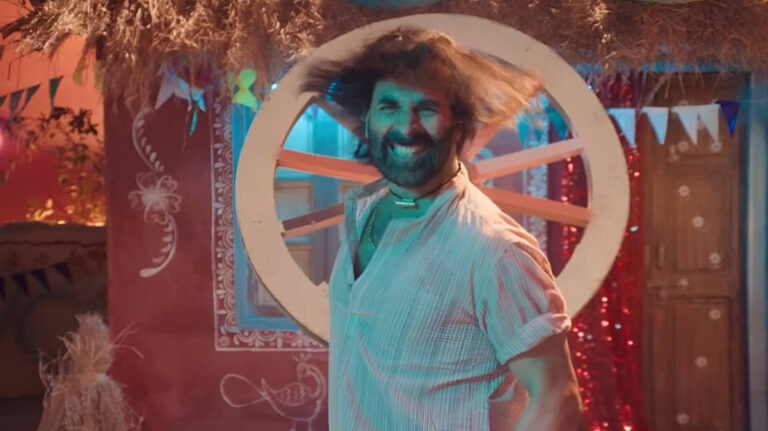
Ghis Ghis Ghis from Welcome To The Jungle has quickly become one of the most talked about songs on the internet. The biggest reason behind the buzz is Akshay Kumar and his completely crazy comic transformation that fans are calling one of his boldest performances in recent years.

The song presents Akshay in a loud and funny Bhojpuri film star avatar, and audiences are loving every bit of the madness.

What makes the song even more entertaining is the film within a film concept used in the sequence. In the movie, Akshay’s character is shooting for a fictional Bhojpuri entertainer that is intentionally exaggerated and dramatic.

From flashy costumes to loud dialogue delivery and overconfident swagger, the entire setup is designed to look larger than life. The makers have used this fictional film shoot to create chaos, comedy and nonstop entertainment.

Presented by Junglee Music, the song is composed by Vikram Montrose, who has also sung the track along with Supriyaa Pathak. The lyrics are written by Abhinav Shekhar. Soon after its release, the song started trending online with clips, memes and fan reactions flooding social media platforms. Many viewers are especially enjoying the fun spoof of massy Bhojpuri cinema style and the over the top energy shown in the video.

Fans have praised Akshay Kumar for fully committing to such an outrageous role without holding back. At a time when many stars prefer safe and predictable characters, Akshay has surprised audiences by taking a completely fearless comic route. His exaggerated expressions, comic timing and energetic performance have become the biggest highlight of the song.

The excitement around the song has also increased anticipation for the film itself. Welcome To The Jungle features a huge ensemble cast including Suniel Shetty, Paresh Rawal, Arshad Warsi, Jacqueline Fernandez, Disha Patani and many more popular names. Directed by Ahmed Khan and produced by Firoz A.

Nadiadwallah, the film is set to release in theatres on June 26, 2026. Going by the massive response to Ghis Ghis Ghis, audiences are already expecting a complete comedy entertainer packed with madness, humour and full on Bollywood chaos.

Karuppu Continues Strong Box Office Run With Massive Second Week Collections

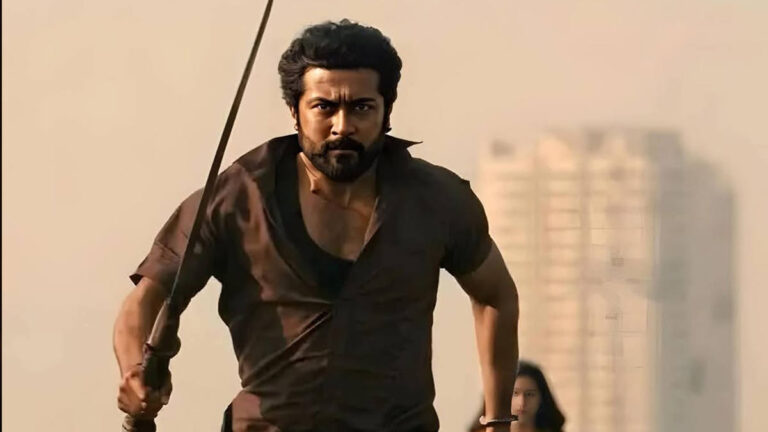
Karuppu continued its successful run at the Indian box office with a strong performance on its second Monday. The film collected around Rs. 6.75 crore on the day, showing a very steady hold in theatres. Compared to its second Friday collection, the drop was less than 30 per cent, which is considered a strong sign for the movie’s long run.

With the latest collections, the total India gross of Karuppu has now reached around Rs. 178 crore. Out of this, Rs. 48 crore came during the first 4 days of the second week itself. Trade estimates suggest that the film’s full second week collection could go beyond Rs. 65 crore, especially with a holiday falling on Thursday.

The film has performed exceptionally well in Tamil Nadu. On its second Monday, Karuppu earned around Rs. 4.75 crore in the state alone. This is reportedly the second highest second Monday collection ever in Tamil Nadu for a film, excluding holiday releases. Only Ponniyin Selvan: I recorded a higher second Monday collection.

The second week total in Tamil Nadu alone is expected to touch Rs. 50 crore. Looking at the current trend, the film is almost certain to cross Rs. 150 crore during its full theatrical run. If it continues to perform steadily over the coming weeks, the lifetime total may even go closer to Rs. 175 crore.

The day wise India box office collections of Karuppu are as follows:

Week One: Rs. 130.00 crore

Second Friday: Rs. 9.25 crore
Second Saturday: Rs. 14.75 crore
Second Sunday: Rs. 17.25 crore
Second Monday: Rs. 6.75 crore

Total: Rs. 178.00 crore

The territorial breakdown of the film’s India collections is as follows:

Tamil Nadu: Rs. 117.50 crore
APTS: Rs. 26.75 crore
Karnataka: Rs. 18.75 crore
Kerala: Rs. 12.50 crore
Rest of India: Rs. 2.50 crore

India Total: Rs. 178.00 crore

The coming weeks will now decide whether Karuppu can enter the list of the highest grossing Tamil films of the year.

Drishyam 3 Continues Strong Run At Kerala Box Office With Massive Collections

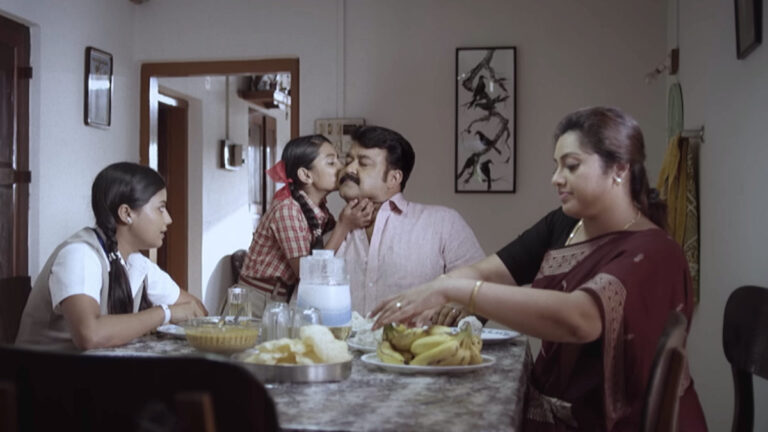
Drishyam 3 continues to perform strongly at the Kerala box office. The Malayalam film, starring Mohanlal, collected another Rs. 6.60 crore on its first Monday. The film saw a 40 per cent drop compared to its opening day collection, but it still maintained a steady performance in theatres.

With this, the total 5 day collection of Drishyam 3 in Kerala has reached Rs. 45.20 crore gross. The film is now expected to cross the Rs. 50 crore mark by Tuesday night. According to current trends, the movie is likely to finish its first week with collections between Rs. 57 crore and Rs. 60 crore.

The film has also entered the race to become one of the highest grossing Malayalam movies in Kerala. Trade reports suggest that if the strong audience response continues, Drishyam 3 has a good chance of entering the Rs. 100 crore club during its full theatrical run.

The Drishyam franchise has remained highly popular among Malayalam cinema audiences over the years. The first film became an Industry Hit after its release and received praise for its story and performances. The second part of the franchise did not get a theatrical release because of the lockdown during the pandemic period. As a result, many fans were waiting to watch the third instalment on the big screen.

Now, with Drishyam 3 running successfully in theatres, the film is receiving strong support from audiences across Kerala. It will be interesting to see whether the movie can cross the box office collections of Lokah Chapter One: Chandra and Vaazha 2 to become the new Industry Hit in Kerala.

The day wise Kerala box office collections of Drishyam 3 are as follows:

Day 1: Rs. 11.00 crore
Day 2: Rs. 8.80 crore
Day 3: Rs. 9.20 crore
Day 4: Rs. 9.60 crore
Day 5: Rs. 6.60 crore (estimated)

Total collection: Rs. 45.20 crore gross

The coming days will now decide how far the movie can go at the box office.