Home Blog Page 8

Mithun Chakraborty’s Daughter Dishani Chakraborty Flaunts Engagement Ring, Wedding Set For 2026

Veteran actor and politician Mithun Chakraborty’s daughter Dishani Chakraborty is engaged to her longtime partner Myles Mantzaris. The couple shared the happy news on social media and also revealed that they will get married on December 6, 2026. Dishani and Myles posted a series of photographs from the proposal. In the pictures, Myles is seen proposing to Dishani while kneeling down. Another photo showed Dishani proudly displaying her engagement ring. The final image captured the couple sharing a kiss after the proposal.

Along with the photographs, Dishani shared a heartfelt caption that read, “06.12.2026 … The easiest forever I’ve ever known.”

The post quickly attracted attention from friends, family members, and fans. Actress Celina Jaitly was among those who liked the post.

Dishani is the adopted daughter of Mithun Chakraborty and actress Yogeeta Bali. Mithun and Yogeeta married in 1979 and have four children: Mimoh, Ushmey, Namashi, and Dishani.

Before marrying Yogeeta Bali, Mithun was married to actress Helena Luke in 1979. However, the marriage ended after four months, and the couple later divorced.

Mithun Chakraborty remains one of the most well known names in Indian cinema. With a career spanning more than five decades, he has appeared in over 350 films. Popularly known as “Mahaguru,” he has also served as a Rajya Sabha Member of Parliament.

He made his acting debut in the 1976 film Mrigayaa, directed by Mrinal Sen. His performance in the film earned him his first National Film Award for Best Actor.

Over the years, Mithun gained widespread popularity through several successful films, including Disco Dancer, Agneepath, Pati Patni Aur Tawaif, Gunahon Ka Devta, Roti Kee Keemat, Trinetra, Shatranj, Tadipaar, Jung, Kaalia, Daadagiri, Guru, My Name Is Anthony Gonsalves, Housefull 2, The Tashkent Files, and The Kashmir Files.

Apart from films, Mithun became a familiar face on television through Dance India Dance, where he appeared as the Grand Master. The show earned recognition in both the Limca Book of Records and the Guinness World Records.

His latest release is The Bengal Files, directed by Vivek Agnihotri. The film focuses on the events surrounding Direct Action Day and the Noakhali riots, exploring the violence and its impact on those affected.

Varun Dhawan Reveals He Rejected A Film That Changed Ayushmann Khurrana’s Career

0

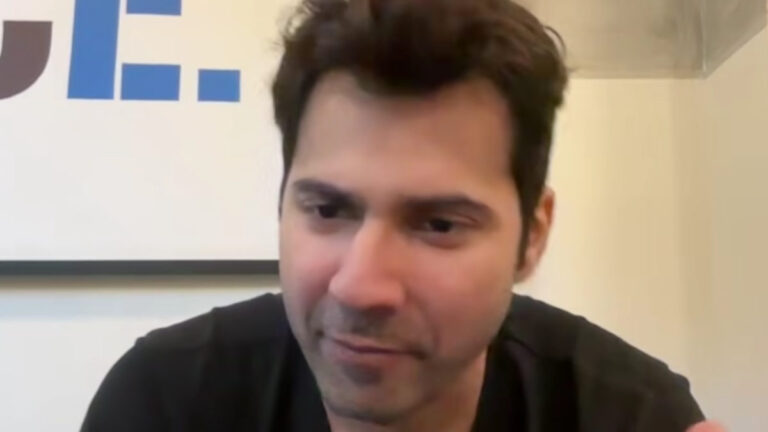
Varun Dhawan has revealed that he once turned down a film that later became one of the most acclaimed Hindi movies of recent years. The actor shared that he was originally considered for Andhadhun, the 2018 thriller directed by Sriram Raghavan, but had to pass on the project because of scheduling commitments.

Speaking during a conversation with Tanmay Bhatt on his YouTube channel, Varun reflected on the opportunity and explained why he could not take up the role.

“I think I said no to a good film, which became a very good film, Andhadhun. But I was filming for something else so I couldn’t do it. And the original cast of the film was supposed to be me and Kangana Ranaut.”

The film eventually starred Ayushmann Khurrana, Radhika Apte and Tabu. Upon its release in 2018, Andhadhun received widespread praise from critics and audiences alike and went on to become one of the most celebrated Hindi films of the decade.

The story revolves around Akash, a pianist who pretends to be blind and unexpectedly becomes involved in a complex murder mystery. Combining suspense, dark comedy and unexpected twists, the film stood out from many mainstream Bollywood releases of the time. Its unique storytelling and unconventional narrative helped it gain a strong following.

Ayushmann Khurrana’s performance as Akash was particularly appreciated. His portrayal balanced humour, innocence, vulnerability and tension, earning praise from critics across the country. The role proved to be a major turning point in his career and earned him the National Film Award for Best Actor.

Director Sriram Raghavan also received recognition for his storytelling style. His ability to blend thriller, comedy and noir elements into a single film was widely praised. Over time, Andhadhun built a reputation as one of the smartest and most engaging mainstream thrillers produced in Hindi cinema.

The film was also successful commercially. Made on a relatively modest budget, it performed strongly at the Indian box office and later found an even larger audience in international markets.

Meanwhile, Varun Dhawan is currently seen in Hai Jawani Toh Ishq Hona Hai. Directed by his father David Dhawan, the film also stars Mrunal Thakur, Pooja Hegde, Mouni Roy and Manish Paul. The movie has received mixed reviews from critics and is currently recording a decent run at the box office.

30 Hollywood Film Franchises every movie fan should know before their next binge watch

0

Hollywood loves franchises, and movie fans love them right back. Some franchises have entertained audiences for decades, while others have evolved into massive cinematic universes that span multiple films, spin-offs, and even streaming series. Yet not every franchise is as straightforward as it seems. Some are best enjoyed in release order, some have multiple timelines, and others have been rebooted so many times that figuring out where to start can be a challenge.

Whether you are a lifelong movie buff or simply looking for your next binge-watch marathon, here are 30 Hollywood film franchises that have shaped generations of audiences and continue to influence popular culture.

Franchise:

Marvel Cinematic Universe
Star Wars
Harry Potter & Fantastic Beasts
James Bond
Fast & Furious
Jurassic Park & Jurassic World
Mission: Impossible
Avatar
The Lord of the Rings & The Hobbit
Batman
Superman
Spider-Man
X-Men
John Wick
The Hunger Games
The Conjuring Universe
Transformers
Planet of the Apes
Alien
Predator
Rocky & Creed
Indiana Jones
Toy Story
Shrek
Scream
Bourne
Ocean’s
Terminator
Mad Max
Pirates of the Caribbean

The first name that comes to mind whenever the word franchise is mentioned today is the Marvel Cinematic Universe. What began with Iron Man in 2008 has grown into the largest interconnected film universe in history. The franchise rewards viewers who follow the larger narrative, but fans continue to debate whether release order or chronological order offers the better experience.

Few franchises have influenced cinema as profoundly as Star Wars. More than four decades after the original film arrived in theatres, audiences are still arguing about the best way to watch the saga. Some prefer release order, others choose chronological order, while many swear by the famous “Machete Order.”

The Harry Potter series remains one of the most beloved fantasy franchises ever made. The later addition of the Fantastic Beasts films expanded the universe and introduced a viewing choice between release order and in-universe chronology.

The enduring appeal of James Bond lies in its ability to reinvent itself. Multiple actors have portrayed the world’s most famous spy across more than six decades, yet the franchise remains remarkably accessible to newcomers.

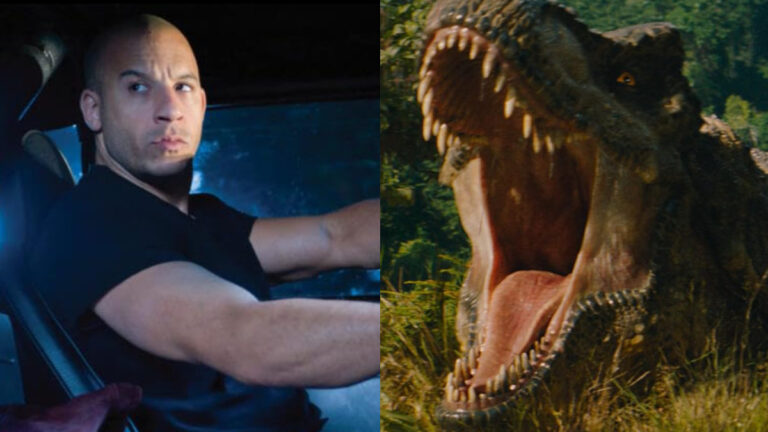
What started as a street-racing thriller evolved into a globe-trotting action spectacle with the Fast & Furious series. Many viewers are surprised to discover that the franchise timeline does not perfectly align with its release order, making it one of Hollywood’s most frequently discussed viewing-order debates.

The dinosaurs of Jurassic Park continue to attract audiences more than three decades after they first escaped their enclosures. Fortunately for newcomers, the films are largely best watched in release order.

The Mission: Impossible series has become synonymous with increasingly ambitious action sequences and practical stunts. Watching the films in release order allows viewers to appreciate the evolution of both the character and the spectacle.

James Cameron’s Avatar may have taken years between instalments, but its expanding world continues to grow with each release, making release order the most straightforward path.

Fantasy fans have long embraced The Lord of the Rings and its prequel companion, The Hobbit. While release order remains the most popular choice, some viewers enjoy following the events chronologically within Middle-earth.

No superhero has been rebooted more often on the big screen than Batman. From the Burton era and the Nolan trilogy to the more recent Matt Reeves interpretation, viewers must understand that these are separate continuities rather than one ongoing story.

The same applies to Superman, whose cinematic history spans multiple generations, actors, and interpretations.

Few characters illustrate the concept of alternate continuities better than Spider-Man. The Tobey Maguire, Andrew Garfield and Tom Holland films each represent different approaches to the character, while the animated Spider-Verse films have become a phenomenon in their own right.

The X-Men series remains one of the most confusing major franchises due to timeline shifts, prequels, reboots and alternate realities. New viewers often search for guides before beginning their journey.

The John Wick films transformed a simple revenge story into one of Hollywood’s most successful modern action sagas.

The world of The Hunger Games expanded beyond the original trilogy with prequel stories that deepened the mythology of Panem.

Horror fans have embraced The Conjuring as one of the most successful interconnected horror universes ever created. The chronology differs significantly from release order, giving viewers multiple ways to experience the franchise.

The Transformers films have introduced audiences to giant robotic battles for nearly two decades. Prequels and timeline shifts have added additional viewing options.

Modern audiences have rediscovered Planet of the Apes through the acclaimed reboot series, which stands apart from the original films released decades earlier.

The Alien and Predator franchises remain science fiction staples, complete with prequels, sequels and crossover stories that can be approached in more than one way.

Sports movie fans continue to celebrate Rocky and its successor Creed, proving that underdog stories never go out of style.

Adventure cinema would look very different without Indiana Jones, whose globe-trotting escapades inspired countless imitators.

Animated storytelling reached new heights with Toy Story, while Shrek brought a fresh and irreverent twist to fairy tales.

Horror audiences continue to return for new chapters in Scream, a series that has successfully reinvented itself across multiple generations.

The espionage world of Bourne remains a benchmark for modern action thrillers, while Ocean’s continues to define the ensemble-heist genre.

The Terminator franchise deserves special mention because its timeline can become particularly confusing. Different sequels effectively create alternate futures, leading many fans to follow their own preferred continuity.

The post-apocalyptic landscape of Mad Max has remained influential for more than four decades, while Pirates of the Caribbean turned a theme park attraction into one of Hollywood’s most successful adventure series.

Perhaps the most surprising thing about modern Hollywood franchises is that many of them are no longer simple sequels. They have evolved into interconnected universes, alternate timelines, prequels, spin-offs and reboots. That is why two people can watch the same franchise and have entirely different experiences depending on the order in which they view it.

And that brings us to an interesting question. Are you sure you’ve been watching them in the right order? From Marvel and Star Wars to Fast & Furious, X-Men, Alien and The Conjuring Universe, some of Hollywood’s biggest franchises are often watched in a sequence that may not deliver the most satisfying experience. That’s a discussion worth exploring next.


Toy Story 5 and the Billion-Dollar Business of Hollywood Film Franchises

0

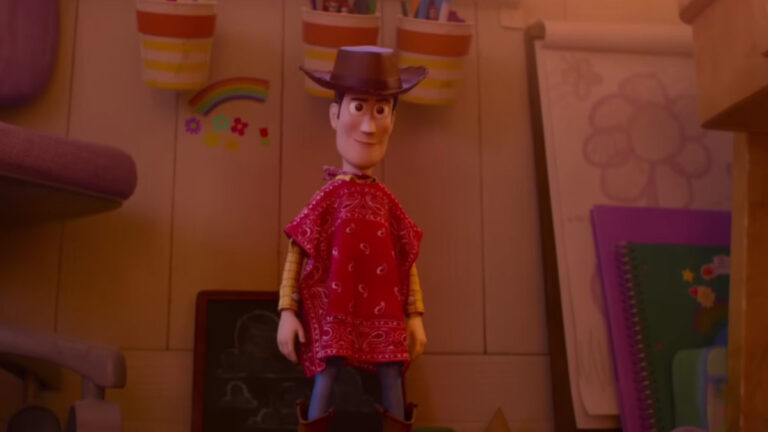
With Disney and Pixar’s Toy Story 5 arriving in theatres on June 19, the return of Woody, Buzz Lightyear and the gang is not just another movie release. It is a reminder of how Hollywood has mastered the art of turning beloved films into long-running franchises that continue to entertain generations while generating billions of dollars in business. More than three decades after the original Toy Story changed animation forever in 1995, the franchise is still finding new stories to tell and new audiences to reach.

What makes Toy Story particularly fascinating is that it represents one of Hollywood’s most valuable franchise success stories. According to a recent study shared by Disney, the Toy Story franchise has generated around $16 billion in revenue over the past 30 years. That figure extends far beyond movie ticket sales and includes the broader ecosystem that successful franchises create around themselves.

The upcoming fifth film itself reflects why franchises continue to thrive. Rather than simply revisiting old ground, Toy Story 5 explores a contemporary theme as the toys confront a world where children are increasingly drawn towards electronic devices and screens. It is a concept that allows familiar characters to remain relevant to a new generation while giving longtime fans a reason to return.

Hollywood’s relationship with franchises has evolved dramatically over the years. There was a time when sequels were occasional events. Today, they are often the foundation of studio strategy. The biggest studios are no longer simply producing movies. They are building intellectual property that can live across multiple films, streaming shows, merchandise, theme parks, games and licensing opportunities.

The business logic is easy to understand. A familiar franchise arrives with built-in audience awareness. Fans already know the characters, the world and the emotional connection. Studios spend less time convincing audiences to care and more time expanding stories that viewers already love. For investors and executives, that familiarity reduces risk in an industry where even expensive original films can struggle to find an audience.

The numbers explain why franchise filmmaking became Hollywood’s preferred model. Industry data from the pre-pandemic era showed that franchise films accounted for a minority of wide releases but generated the overwhelming majority of worldwide box office revenue. Original standalone films continued to exist, but franchises increasingly became the engines driving theatrical business.

The success of Marvel accelerated this shift. The Marvel Cinematic Universe proved that audiences would not only follow sequels but also interconnected stories spread across multiple films and years. Soon, every major studio wanted its own universe. Some succeeded. Others struggled. Yet the underlying lesson remained the same: audiences consistently return to stories and characters they already know.

That philosophy can be seen across modern Hollywood. Star Wars continues to expand decades after its debut. Avatar has multiple future chapters planned. Jurassic World revived a franchise that began in the early 1990s. Mission: Impossible kept reinventing itself for nearly thirty years. John Wick transformed from a modest action film into a global brand. Each franchise demonstrates that longevity can be as valuable as opening weekend numbers.

Of course, franchise filmmaking is not without challenges. Audiences today are far more selective than they were a decade ago. Simply attaching a familiar title is no longer enough. Fans expect meaningful stories, emotional stakes and genuine evolution. The franchises that continue to succeed are often the ones that understand how to balance nostalgia with fresh ideas.

That is perhaps why Toy Story remains such an interesting example. Few fans expected a fifth film after the emotional ending of Toy Story 4. Yet Pixar believes there is still something worth saying through these characters. Whether the film becomes another blockbuster or not, its very existence highlights the enduring power of franchises in Hollywood.

For movie lovers, franchises offer the comfort of returning to familiar worlds. For studios, they offer long-term business opportunities that can last decades. And for Hollywood itself, they have become the closest thing to a guaranteed investment in an unpredictable industry.

As Toy Story 5 prepares to open in theatres, it serves as a reminder that in modern Hollywood, a successful film is rarely viewed as the end of a story. More often than not, it is simply the beginning of a franchise.

From ‘Hunterwali Ki Beti’ to ‘Welcome To The Jungle’: Bollywood’s Sequel Journey

0

Today, sequels are such a common part of Bollywood that the announcement of a successful film is often followed by immediate speculation about a second part. But Hindi cinema was not always this way. For a large part of its history, Bollywood preferred standalone stories. Even when a film became a major hit, filmmakers were often content letting the story end where it did. Unlike Hollywood, which built long-running franchises around popular characters, Hindi cinema rarely revisited the same world or narrative.

That does not mean sequels did not exist. They were simply uncommon. One of the earliest examples often cited in Indian cinema is Hunterwali Ki Beti, which continued the adventures of Fearless Nadia’s iconic character from the 1930s and 1940s. Over the following decades, a few films attempted to carry stories forward. Wardat followed the events of Surakksha, while Nigahen: Nagina Part II expanded the supernatural world introduced in Nagina. These films showed that the idea of a sequel existed in Bollywood, but it had not yet become a trend.

The real change came in the early 2000s. Filmmakers and studios began realizing that audiences were willing to return to familiar characters and worlds if they were given a compelling reason to do so. Around this time, Bollywood witnessed a series of sequels that were not only commercially successful but also became cultural talking points.

Krrish built upon the foundation laid by Koi… Mil Gaya and created one of Hindi cinema’s most successful superhero franchises. Lage Raho Munna Bhai took the beloved Munna and Circuit characters in a fresh direction and became one of the rare sequels that many viewers considered even better than the original. Dhoom 2 transformed a successful action film into a full-fledged franchise and demonstrated the commercial potential of recurring brands.

Their success changed the industry’s thinking. Sequels were no longer viewed as occasional experiments. They became a viable business model. In the years that followed, audiences saw the arrival of films such as Phir Hera Pheri, Golmaal Returns, Don 2, Race 2, Dabangg 2 and several others. Some continued existing stories, while others used familiar characters and worlds to tell entirely new ones.

A handful of sequels managed to achieve something more than box office success. Films like Lage Raho Munna Bhai, Krrish, Don 2 and later Tanu Weds Manu Returns demonstrated that sequels could deepen characters and expand stories instead of merely repeating what had worked before. More recently, Gadar 2 proved that even decades-old films can return and reconnect with audiences if the emotional bond remains strong.

The evolution of sequels has also led to a newer form of storytelling where filmmakers plan larger narratives across multiple films. Franchises such as Baahubali and KGF popularized the idea of telling one expansive story over multiple chapters. More recently, Dhurandhar and its follow-up Dhurandhar: The Revenge have followed a similar approach, where the story is designed to continue directly into the next film rather than functioning as a standalone sequel years later.

Today, sequels, spin-offs and multi-film franchises have become an important part of Bollywood’s landscape. Whether every sequel justifies its existence is a debate that continues among audiences, but there is no denying that the format has fundamentally changed the way Hindi cinema approaches storytelling and box office success.

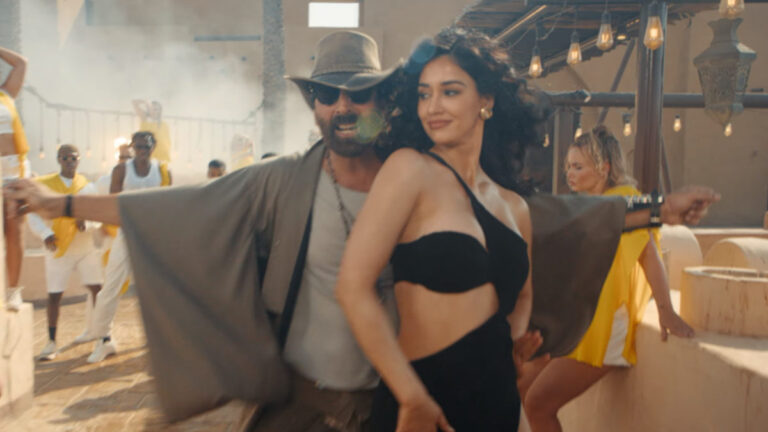
The trend shows no signs of slowing down. Upcoming releases such as Welcome To The Jungle and Dhamaal 4 highlight how valuable established franchises have become for Bollywood. Both belong to comedy series that have built loyal audiences over the years and continue to enjoy strong recall among moviegoers. Their very existence reflects how dramatically audience expectations and industry strategies have evolved from a time when sequels were considered exceptions rather than standard practice.

Based on its promotional material, Welcome To The Jungle appears to be leaning into large-scale entertainment, ensemble comedy and nostalgia. Rather than recreating the exact formula of the 2007 original, it seems to be aiming for a bigger and more chaotic spectacle. Dhamaal 4, meanwhile, brings back another popular comedy brand that has entertained audiences across multiple installments and remains one of Bollywood’s most recognizable comedy franchises.

Whether these films ultimately recreate the magic of their predecessors will only be known after audiences watch them. What is already clear, however, is that they represent the latest chapter in Bollywood’s long and fascinating journey with sequels. From the days of Hunterwali Ki Beti and a handful of isolated follow-ups to an era dominated by franchises, cinematic universes and multi-part sagas, sequels have gone from being a rarity to becoming one of the defining features of modern Hindi cinema.

Nagabandham Takes a Spiritual Turn: Grand Ratha Yatra Launch Creates Massive Buzz Ahead of Release

0

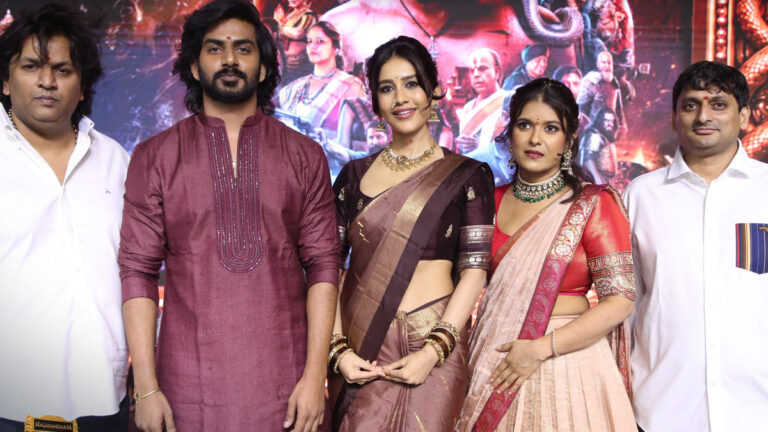
The team behind the upcoming pan India fantasy film Nagabandham launched the Anantha Padmanabha Swamy Ratha Yatra in Hyderabad with a grand and spiritual event. The special initiative was created to promote the film in a unique way while also celebrating India’s rich cultural and spiritual traditions ahead of the movie’s worldwide release on July 3.

A major highlight of the event was the unveiling of a magnificent idol of Lord Anantha Padmanabha Swamy. The beautifully crafted idol attracted devotees, movie lovers, and members of the public, creating a festive and devotional atmosphere. Despite heavy rainfall, a large number of people attended the launch and showed their support.

Lead actor Virat Karrna thanked everyone who came to the event. He said the entire team had spent the last two years working hard on the film and hoped audiences would support it when it releases in theatres. He also expressed gratitude to director Abhishek Nama for trusting him with an important role and praised producers Kishore Annapureddy and Nishitha Nagireddy for backing such an ambitious project. Virat also thanked co star Nabha Natesh for being part of the journey.

Director Abhishek Nama said the Ratha Yatra is about much more than promoting a movie. According to him, the initiative is aimed at reconnecting people with Indian culture, traditions, and values while encouraging younger generations to appreciate and preserve them. He thanked everyone who attended the launch despite the challenging weather conditions and requested continued support and blessings for the yatra.

Abhishek also praised the producers for believing in his vision and supporting the project from the beginning. He spoke highly of Virat Karrna’s dedication, revealing that the actor continued working even during periods of illness. The director expressed confidence that audiences would be impressed by Virat’s performance once they watch the film. He also appreciated the contributions of the cast and music composers Junaid Kumar and Abhe.

The Anantha Padmanabha Swamy Ratha Yatra will now travel to several cities across India, spreading messages of faith, heritage, and cultural pride while building excitement for the film. Directed by Abhishek Nama, Nagabandham features Virat Karrna, Rishabh Sawhney, Nabha Natesh, Ishwarya Menon, Mahesh Manjrekar, and Jagapathi Babu. Produced by Kishore Annapureddy and Nishitha Nagireddy under NIK Studios and Abhishek Pictures and presented by Zee Studios, the film aims to bring India’s timeless myths and traditions to modern audiences around the world.

Steven Spielberg’s Disclosure Day Opens With A Solid Start In India

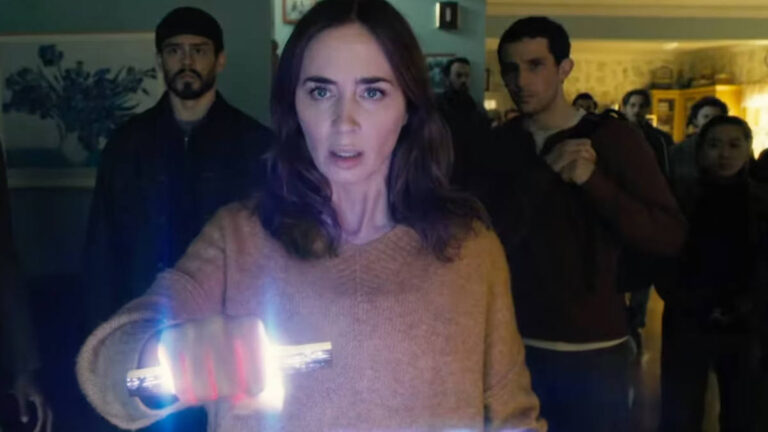
Steven Spielberg’s latest sci fi thriller, Disclosure Day, has started its box office run in India with a respectable opening. The film, featuring Emily Blunt, Josh O’Connor, Colin Firth and several other well known actors, earned approximately Rs. 2.15 crore gross on its first day in Indian cinemas.

For an original Hollywood film that is not based on an established franchise or popular intellectual property, the opening is being viewed as a decent result. The film has managed to attract audiences despite entering a competitive market with several other releases currently playing in theatres.

Based on early trends, Disclosure Day is expected to collect around Rs. 8 crore to Rs. 9 crore during its opening weekend in India. The performance over the next few days will be important in determining the film’s long term prospects at the box office.

Industry observers believe that the movie’s weekday performance will play a crucial role in its overall success. If it manages to maintain stable collections after the weekend and benefits from positive audience feedback, it could finish its theatrical run with earnings between Rs. 25 crore and Rs. 30 crore. Such a result would generally be considered a satisfactory outcome for a film of this type.

The movie currently faces strong competition from Obsession, which continues to perform exceptionally well despite being in its third week. The horror thriller has maintained impressive collections and remains one of the biggest attractions in cinemas. In addition, new releases such as Backrooms are also competing for audience attention, making the box office environment increasingly challenging.

Hollywood films have enjoyed considerable success in India throughout the year. Several international releases have performed well at the box office and found support among Indian audiences. Films such as Project Hail Mary, The Mummy, Michael, The Devil Weds Prada 2 and Obsession have all recorded successful theatrical runs, contributing to a strong year for Hollywood releases in the country.

Disclosure Day will now look to build on its opening day performance and join the list of successful international films released this year. Much will depend on audience response and whether the film can sustain interest beyond its opening weekend.

Disclosure Day Box Office Collection In India

Day 1: Rs. 2.15 crore gross

Total: Rs. 2.15 crore gross

Obsession Refuses To Slow Down At The Indian Box Office

Obsession continues to perform exceptionally well at the Indian box office, maintaining strong momentum even as it enters its third week in theatres. The Hollywood horror film collected approximately Rs. 4 crore, or USD 425K, on its third Friday, matching its earnings from the second Friday and showing almost no decline from the previous week.

With this latest addition, the film’s total collection in India has reached around Rs. 63 crore, or USD 6.60 million, after 15 days of release. The steady performance suggests that audience interest remains strong, despite the film already being in theatres for more than two weeks.

Trade estimates indicate that Obsession could collect approximately Rs. 17 crore during its third weekend. If that happens, the film’s total earnings would cross Rs. 75 crore by Sunday. Interestingly, the projected third weekend collection would be nearly double the amount earned during its opening weekend, an uncommon achievement for most theatrical releases.

The film’s strong hold at the box office has significantly increased its chances of reaching the Rs. 100 crore milestone in India. By the end of its third week, Obsession is expected to approach Rs. 85 crore, leaving only around Rs. 15 crore needed to reach the landmark figure.

Although several new releases are expected to arrive in the coming weeks, the film’s consistent performance suggests that reaching Rs. 100 crore should remain achievable. The strong word of mouth and sustained audience interest have helped the movie maintain collections that many films struggle to achieve even during their opening weeks.

If Obsession reaches the century mark, it will become the highest grossing Hollywood release of the year in India, surpassing the Rs. 90 crore earned by Project Hail Mary. It would also become the highest grossing Hollywood horror film in the country, overtaking the previous benchmark set by The Conjuring: Last Rites.

The film’s ability to attract audiences week after week has made it one of the most notable box office success stories of the year. While competition is expected to increase, its current trajectory indicates that the film remains in a strong position to continue breaking records.

Obsession Box Office Collection In India

Week One: Rs. 21.85 crore

2nd Friday: Rs. 4.00 crore

2nd Saturday: Rs. 7.80 crore

2nd Sunday: Rs. 8.80 crore

2nd Monday: Rs. 4.25 crore

2nd Tuesday: Rs. 4.65 crore

2nd Wednesday: Rs. 4.00 crore

2nd Thursday: Rs. 3.65 crore

3rd Friday: Rs. 4.00 crore

Total: Rs. 63.00 crore

Governor Review | Manoj Bajpayee anchors this engaging political thriller

0

There are some stories from history that deserve to be told not because they are packed with action or spectacle, but because their consequences shaped the future of an entire nation. Governor attempts to bring one such chapter to the screen by revisiting India’s financial crisis of 1991, a time when the country stood dangerously close to economic collapse.

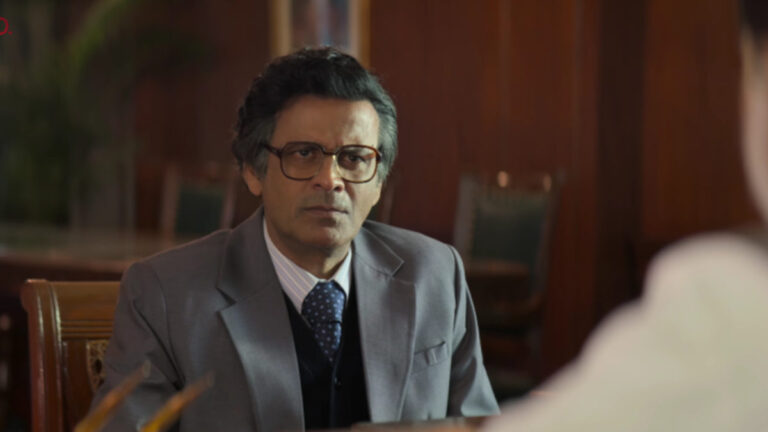
At the centre of the film is Manoj Bajpayee, who delivers a sincere and restrained performance as A Ramanan, the RBI Governor. He understands that the strength of the character lies not in dramatic heroics but in the quiet burden of responsibility. Bajpayee carries the film with conviction, making the audience feel the pressure of taking difficult decisions when the stakes are nothing less than the future of a nation.

What works in the film’s favour is its effort to present the situation as it was, along with the many stumbling blocks that stood in the way of finding solutions. The narrative does not simplify the crisis into a battle between good and bad. Instead, it highlights the political challenges, bureaucratic hurdles and institutional complexities that made every decision a difficult one. This approach helps the film feel grounded and authentic.

The supporting cast contributes with equal determination, ensuring that the story remains engaging throughout. Their performances add weight to the proceedings and help build a believable world around the central character.

Among the film’s most memorable moments is a roadside conflict triggered by an accident. The sequence is written with remarkable tension and unfolds in a way that keeps viewers invested from start to finish. What begins as a routine confrontation gradually turns into one of the film’s most gripping scenes. The resolution delivers both the thrill of a suspenseful sequence and the satisfaction of seeing a complicated situation handled intelligently. It is the kind of scene that lingers in the mind long after the film ends.

Governor is perhaps best described as a dramatized documentary. It chronicles a series of serious events and reminds audiences of the financial chaos that once threatened the country. While the subject matter could have easily become dry or overly technical, the film succeeds in making it accessible by framing real events within an engaging dramatic structure.

The film may not offer the larger-than-life thrills associated with mainstream political dramas, but it succeeds in educating as much as it entertains. For viewers who enjoy political stories told with the pace and tension of a thriller, Governor is a one-time must-watch. More importantly, it sheds light on a significant chapter of Indian history that many may have heard about but few fully understand.

Movie: Governor
Directed by: Chinmay D. Mandlekar
Featuring: Manoj Bajpayee, Adah Sharma, Noushad Mohamed Kunju, Madhoo Shah
Theatrical Release Date: 12 June 2026
Run Time: 2hrs 2mins

Haunted 3D: Echoes Of The Past Delivers A Surprise Box Office Shock

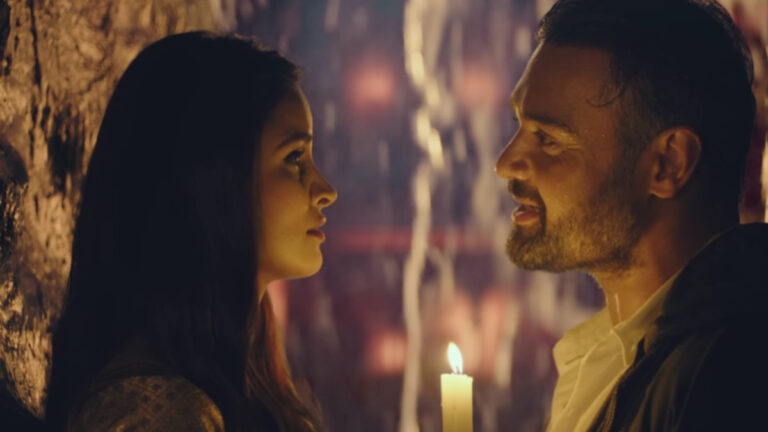
Haunted 3D: Echoes Of The Past emerged as one of the biggest surprises at the box office on Friday, collecting approximately Rs. 2.50 crore nett on its opening day in India. Before release, expectations for the film were relatively low, making its first day performance an unexpected development for both industry observers and cinema exhibitors.

The film performed particularly well in smaller centres, where even theatre owners were reportedly surprised by the level of audience response. While many recent Hindi releases have relied heavily on collections from premium multiplexes, Haunted 3D: Echoes Of The Past found support from a different segment of moviegoers.

According to trade estimates, the three national multiplex chains contributed only around one fourth of the film’s total opening day earnings. In today’s market, major multiplex chains often account for nearly half of a film’s collections. This indicates that the film’s audience was concentrated in regions and theatres outside the premium urban centres.

Delhi and Uttar Pradesh emerged as the film’s strongest market, contributing close to Rs. 1 crore to the opening day total. This was more than double the collections recorded in Mumbai, which is usually one of the highest performing territories for Hindi films. Other regions that reportedly delivered strong numbers included Bihar, CPCI and West Bengal.

On the other hand, Karnataka, which has recently become an important market for many Hindi releases, did not contribute significantly to the film’s opening day earnings.

The film’s performance is notable because there were very few expectations surrounding its release. Many observers viewed it as a modestly mounted horror film with limited commercial prospects. However, the original Haunted 3D, released in 2011, was a successful box office performer and built a loyal fan following over the years.

The director is also known for several successful low budget horror films, including entries from the popular Raaz franchise. Despite this track record, many believed that this style of horror storytelling had lost its appeal over the past decade. The opening numbers of Haunted 3D: Echoes Of The Past suggest there may still be an audience for such films.

Whether the movie can maintain its momentum remains uncertain. Horror films often attract a large portion of their audience during the opening days, and early viewer feedback has been mixed. Even so, the film’s opening has provided a rare positive development for the Hindi box office, which has experienced a relatively quiet period since the release of Bhooth Bangla in April.

Haunted 3D: Echoes Of The Past Box Office Collection In India

Day 1: Rs. 2.50 crore nett

Total: Rs. 2.50 crore nett