
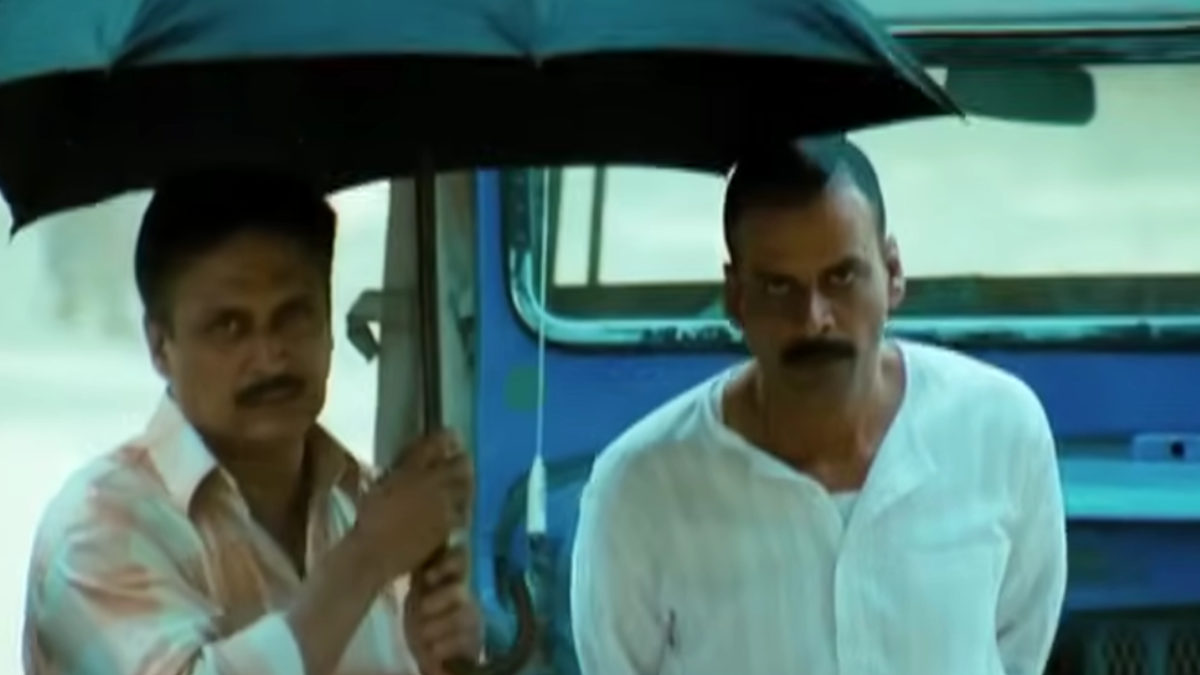
More than a decade after redefining Hindi gangster cinema with Gangs of Wasseypur, filmmaker Anurag Kashyap admits the film continues to shape how audiences see him — often overshadowing everything else he has done since.
The 2012 two-part saga, featuring standout performances from Manoj Bajpayee, Nawazuddin Siddiqui, Richa Chadha and Huma Qureshi, became a landmark in Indian cinema. Yet its success created an identity that Kashyap finds difficult to move beyond.
Despite directing 12 feature films, creating short projects, working in streaming, and reinventing himself as an actor in multiple films and a series, he says public memory still circles back to Wasseypur.
In a recent conversation, Kashyap shared that even with over 200 credits across roles, audiences often remember him either as an actor or as the director of that one defining project. The most common question he continues to hear is about a potential third installment.
However, the filmmaker has no intention of revisiting the franchise.
For Kashyap, cinema has never been about competing in a marketplace driven by commercial success. Returning to Wasseypur simply to meet expectations would contradict the very spirit in which he began making films.
He believes the shadow of Wasseypur has also influenced how audiences received his recent crime comedy Nishaanchi.
Originally designed as a streaming release for Prime Video India, the film was eventually split into two parts, with the first installment released theatrically. According to Kashyap, lingering fascination with Wasseypur played a role in that decision.
The experiment, however, did not resonate as expected. Viewers were unsettled by the abrupt ending of the first part, and the film struggled at the domestic box office.
Kashyap later ensured that both parts were released together on streaming, where audiences responded more positively when able to watch the story in one go.
He also acknowledged that he could have simplified the narrative — perhaps using a voiceover similar to Wasseypur — but deliberately chose not to repeat his earlier methods.
Reflecting on his journey, Kashyap admitted that constant comparisons to Wasseypur have sparked moments of self-doubt, leading him to question whether his creative voice still connects as strongly as before.
In many ways, he says, the film cemented his legacy — but also became the benchmark against which all his work is measured.