
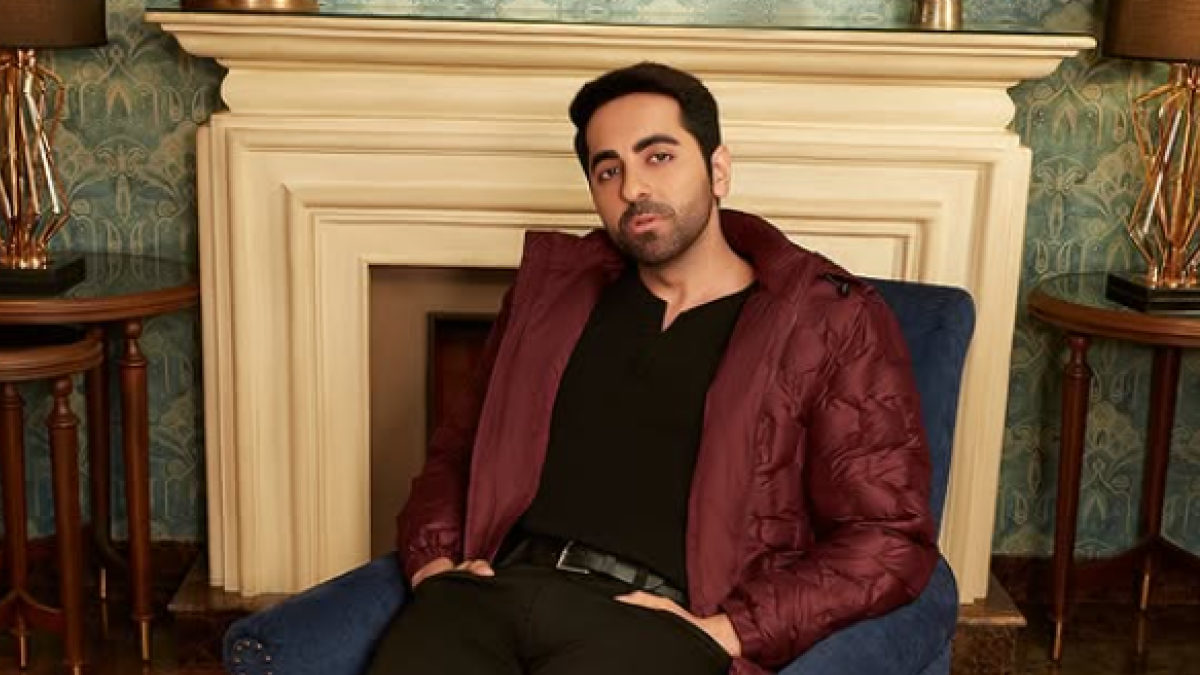
Dharma Productions and Sikhya Entertainment reunite for their fourth collaboration after The Lunchbox, Gyaarah Gyaarah, and Kill, with Udta Teer, a high-energy spy comedy starring Ayushmann Khurrana and Sara Ali Khan. The makers have locked 11 September 2026 as the release date, positioning the film in a festive window that traditionally favours mass entertainers.
What makes Udta Teer particularly interesting is how it leans into Ayushmann Khurrana’s most bankable zone, quirky, rooted humour blended with high-concept premises. From Vicky Donor to Dream Girl, Ayushmann has built a niche where social awkwardness meets mainstream comedy. Here, that sensibility is being transplanted into the spy genre, a space usually dominated by slick action and nationalism-heavy storytelling. The result seems like a tonal shift, more chaotic caper with desi eccentricity.
The film is described as a full-blown caper, which suggests a narrative driven by misunderstandings, disguises, reversals, and comic set-pieces rather than pure espionage tension. In global terms, this places it closer to films like Johnny English or Get Smart, but with a distinctly Indian, family-friendly flavour, something Dharma has been increasingly experimenting with in its commercial slate.
Backing this tonal gamble is an interesting production synergy. Guneet Monga Kapoor brings her trademark credibility of content-driven, globally resonant cinema, having produced films like The Lunchbox and the Oscar-winning The Elephant Whisperers. She has consistently acted as a bridge between indie storytelling and international markets, helping Indian films travel beyond traditional Bollywood circuits. At the same time, Dharma Productions ensures scale, star power, and wide theatrical reach making Udta Teer a classic content-meets-commerce hybrid.
The creative wildcard here is Akash A Kaushik, who makes his directorial debut with the film. Kaushik is best known as the writer of Bhool Bhulaiyaa 2, a film that successfully blended horror, comedy, and mass appeal. That pedigree is important because it signals his comfort with genre-mixing and audience-friendly humour, both crucial for a spy comedy to land. Industry reports also suggest that the script has been developed as a “perfect blend of espionage and comedy,” aiming to break away from the conventional spy template in Hindi cinema.
At a broader level, Udta Teer arrives at a time when the Hindi film industry is actively reworking the spy genre. While YRF has built a serious, interconnected spy universe, this film appears to deliberately subvert that tone, turning espionage into playground chaos rather than patriotic gravitas. If executed well, it could open up a parallel lane, the “fun spy film” space, which Bollywood has rarely cracked consistently.
In that sense, Udta Teer isn’t just another collaboration, it’s a strategic genre pivot. A film that attempts to answer a simple but intriguing question: What happens when India’s most relatable everyman hero enters a world built for larger-than-life spies?