Home Blog Page 23

Taylor Swift’s Wild Reaction As Knicks Pull Off Historic 29 Point NBA Finals Comeback

0

The New York Knicks moved one step closer to winning their first NBA championship since 1973 after completing a remarkable comeback in Game 4 of the 2026 NBA Finals. Facing a 29 point deficit, the Knicks produced the largest comeback in NBA Finals history and secured a dramatic victory that gave them a 3-1 lead in the series.

The game reached its decisive moment when OG Anunoby tipped in the winning basket with just 1.2 seconds remaining on the clock. The play capped off an extraordinary turnaround and sent the crowd at Madison Square Garden into celebration. With the win, New York is now only one victory away from ending a title drought that has lasted more than five decades.

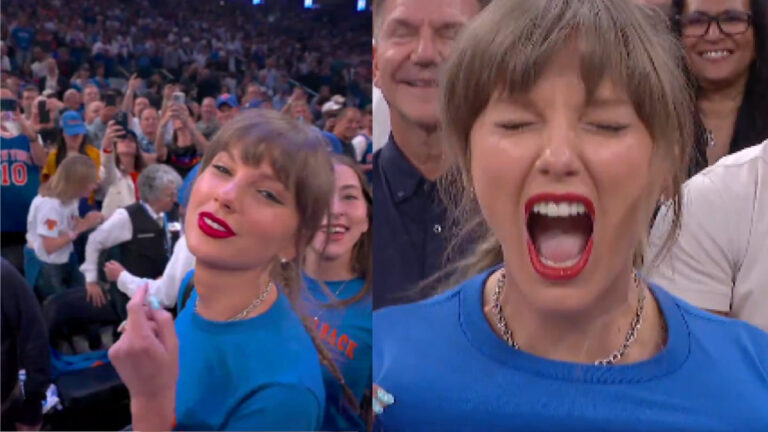
Among the many high profile spectators in attendance was Taylor Swift, who was seen enthusiastically supporting the Knicks throughout the game. Swift wore a “Stevie Knicks” T shirt and reacted passionately as the team battled back from its large deficit. She celebrated key moments by high fiving nearby fans and pumping her fist as the Knicks gained momentum during crucial stretches of the contest.

Swift was joined by the HAIM sisters, who also embraced the occasion with themed Knicks inspired outfits. Alana HAIM wore a shirt that read “Knickelback,” while Este HAIM sported a “Knickole Kidman” shirt. Their presence added to the lively atmosphere inside the arena as thousands of fans witnessed one of the most memorable games in Finals history.

The celebrity filled crowd also included actress Mariska Hargitay and actor Adam Sandler, both of whom were among the many notable figures enjoying the dramatic contest. As the Knicks completed their historic rally, the energy inside Madison Square Garden continued to build, creating an unforgettable scene for players and fans alike.

Following Anunoby’s game winning tip in, the arena erupted with cheers as confetti filled the air. The dramatic finish highlighted a night that will be remembered as one of the greatest comebacks ever seen on the NBA Finals stage. With a 3-1 series advantage, the Knicks now have the opportunity to capture their first championship since 1973 and complete a remarkable postseason journey.

Hai Jawani Toh Ishq Hona Hai – Padosan Song Lyrics starring Mouni Roy, Jimmy Shergill

0

Song Padosan
Album Hai Jawani Toh Ishq Hona Hai
Artist Divya Kumar, Madhubanti Bagchi
Lyricist Jairaj
Musician White Noise Collectives
Cast Jimmy Shergill, Mouni Roy, Varun Dhawan
Director David Dhawan
Label Tips Music

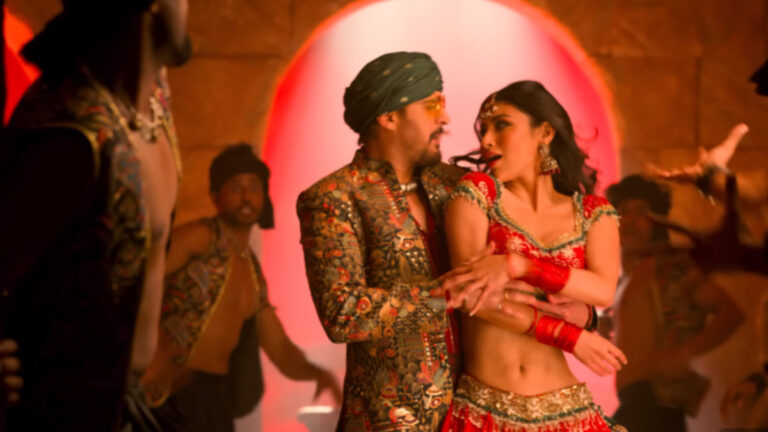
Check out Hai Jawani Toh Ishq Hona Hai – Padosan Song Lyrics starring Mouni Roy, Jimmy Shergill

Patni Ko Khichdi Khila Ke Sulane Mein, Haaye
Patni Ko Khichdi Khila Ke Sulane Mein
Bhaiya Ji, Late Kabhi Hone Na De

Aur Phir Sawere Tak Apni Padosan Ko
Sone Na De, Sone Na De Haan
Aur Phir Savere Tak Apni Padosan Ko
Sone Na De, Sone Na De

Ho, Samjho Meri Bhavnao Ko Babni
Tohmat Kyu Mujhpe Lagati Hai Tu

Ho, Samjho Meri Bhavnao Ko Babni
Tohmat Kyu Mujhpe Lagati Hai Tu
Sote Hue Achi Lagti Hai Patni
Jagte Hue Mann Ko Khaati Hai Tu

Patni Ko Phursat Hi, Phursat Hai
Par Mujhko, Haaye, Mujhko
Patni Ko Fursat Fursat Hai
Par Mujhko Khane Na De, Nahane Na De

Kahe Savere Tak Apni Padosan Ko
Sone Na De, Sone Na De
Haan, Aur Phir Savere Tak Apni Padosan Ko
Sone Na De, Sone Na De

Ali Fazal Reveals The Surprising Role He Played Behind The Scenes In Hollywood

0

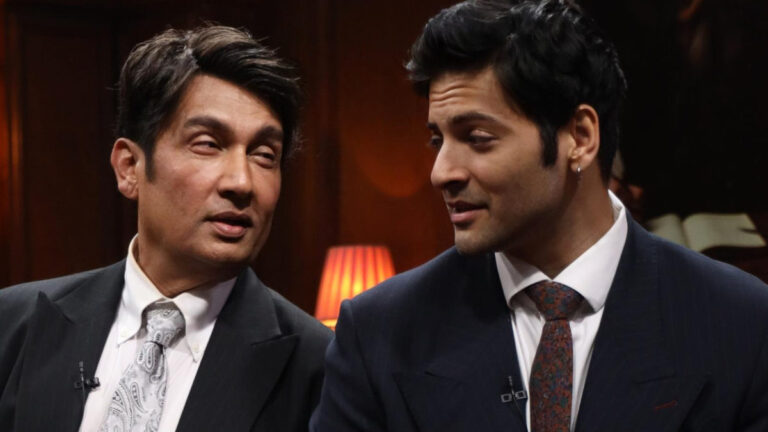
From Bollywood films to international productions, Ali Fazal has built a successful career across different film industries. Recently, while appearing on Shekhar Tonite with Shekhar Suman, the actor shared an interesting story from his time working on the Hollywood film Victoria & Abdul. His experience highlighted the importance of language and cultural authenticity in international filmmaking.

During the conversation, Shekhar Suman asked Ali Fazal about his experiences working on Hollywood projects and adapting to film sets where he was often surrounded by international cast and crew members. In response, Ali spoke about his memorable time working alongside Judi Dench in Victoria & Abdul, a film based on a real life story.

Recalling the experience, Ali explained how language became an important part of his role during the production. The film tells the story of Abdul Karim, who became a close confidant of Queen Victoria and taught her Urdu for fifteen years. While preparing for the role, Ali also spent time reading historical letters connected to the story.

Talking about the project, Ali Fazal said, “My experience was beautiful in Hollywood with Victoria & Abdul. It’s a true story. Abdul Karim was a confidant of Queen Victoria, and he taught her Urdu for fifteen years. I even read their letters. It’s actually a love story. There was shayari and Urdu poetry in it, so eventually, whenever I corrected something, maybe a nukta was wrong or something, it would go through this entire route. It would go to the BBC, then different people would check it from the right places, check, check, check… and finally they started trusting me. They said, ‘Okay, yeah, you know what, just let us know if it’s correct or wrong.’”

Ali’s comments revealed how seriously the filmmakers approached accuracy when it came to Urdu language and poetry in the film. According to him, even minor corrections would go through several levels of verification before being approved. Over time, the production team became confident in his knowledge and began relying on his feedback.

The actor’s story offers a glimpse into the responsibilities that can come with portraying culturally significant characters on an international platform. It also highlights the effort made by filmmakers to maintain authenticity in storytelling. Through this experience, Ali Fazal not only performed his role but also contributed to ensuring that important linguistic and cultural details were presented accurately on screen.

Main Vaapas Aaunga Review | A Moving Tale of Love & Longing

0

Imtiaz Ali’s Main Vaapas Aaunga is a film that feels refreshingly different in today’s cinematic landscape. Set against the backdrop of Partition, it is less interested in politics and more invested in the emotional scars left behind by one of the darkest chapters in the subcontinent’s history. At its core, this is a retro romance shaped by love, longing and the enduring pull of what was lost.

There is an unmistakable old-world charm to the film. The song Kiss Miss Yaara captures this beautifully with its retro flavour and lyrics, setting the tone for a story that values emotion over spectacle. While the audience can largely anticipate the emotional destination of the narrative, the film remains engaging because of how Imtiaz Ali chooses to tell it. The strength of both the screenplay and direction lies in making the journey matter more than the outcome.

The film is ultimately about longing. Naseeruddin Shah’s character embodies this beautifully, carrying an emotional ache that refuses to fade despite the passage of time. There are moments that evoke memories of Ikkis, particularly in the way the film touches upon the human side of the India-Pakistan relationship. References to Sargodha and the warmth shown beyond national boundaries become some of the film’s most touching moments.

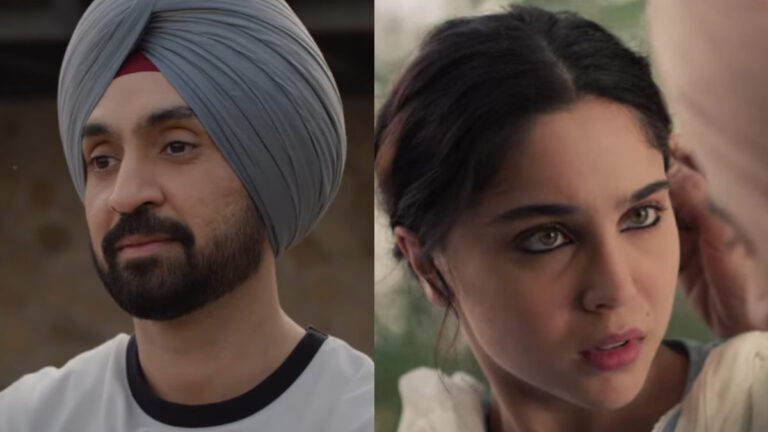
The performances are anchored by Naseeruddin Shah and Diljit Dosanjh, both of whom deliver remarkable work. Naseeruddin brings warmth, vulnerability and quiet pain to his role, while Diljit once again proves how effortlessly he can communicate emotion. Long after the film ends, it is these two performances that stay with the audience. Vedang Raina and Sharvari perform well, but their characters are given comparatively limited scope to leave a lasting impact.

One of the film’s biggest strengths is its restraint. The background score is used sparingly and effectively, with acoustic instrumentation adding emotional depth whenever required. Equally impressive is the sound design. The chirping of crickets, distant birds and even the howling of dogs during night sequences create an immersive atmosphere that often says more than background music ever could.

The cinematography consistently complements the film’s mood. A close-up shot of wheels of a railway engine stands out among several memorable visual moments, while the lighting across many sequences deserves special praise. The screenplay also subtly references contemporary issues surrounding commitment, creating an interesting contrast between modern relationships and the enduring love at the centre of the story.

What deserves appreciation is the sensitivity with which Imtiaz Ali handles difficult material. The horrors of Partition are present throughout, yet the film avoids sensationalism and excessive melodrama. Several emotionally charged moments are communicated with restraint, making them all the more effective.

Having said so, Main Vaapas Aaunga is not a conventional entertainer, and that may also be its biggest challenge. Audiences looking for fast-paced drama and commercial highs may find its measured approach difficult to embrace. Its appeal is likely to remain limited to viewers who appreciate thoughtful, emotionally driven cinema.

For those willing to invest in its world, however, Main Vaapas Aaunga offers a sincere and moving experience. It is an unusual interfaith romance that uses the tragedy of Partition to tell a deeply human story about love, longing and the connections that survive even when time, distance and history stand in the way.

Movie: Main Vaapas Aaunga
Directed by: Imtiaz Ali
Featuring: Diljit Dosanjh, Naseeruddin Shah, Vedang Raina, Sharvari, Danish Pandor, Banita Sandhu
Music by: A. R. Rahman
Theatrical Release Date: 12 June 2026
Run Time: 2hrs 47mins

Bill Gates Wants To Talk About Blackmail. But The Real Question Is Why He Kept Meeting Jeffrey Epstein?

0

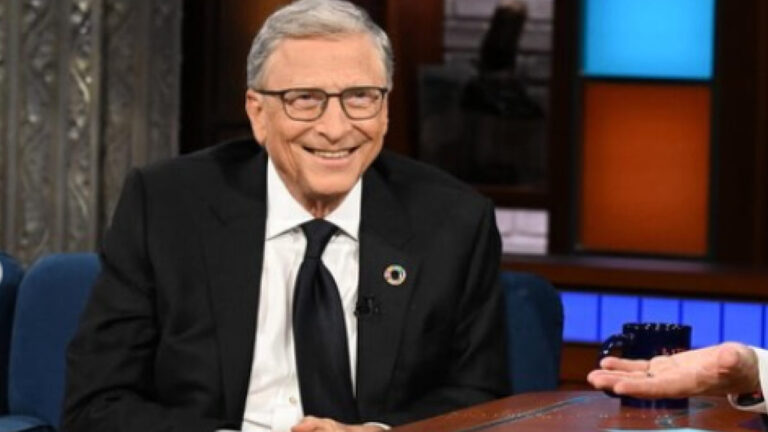
Bill Gates says Jeffrey Epstein tried to blackmail him. That’s the headline dominating the internet right now. According to Gates’ testimony before the House Oversight Committee, Epstein allegedly learned about affairs Gates had during his marriage to Melinda French Gates and later attempted to use that information, along with what Gates described as additional lies, to pressure him into re-establishing contact. If true, it’s disturbing. It’s manipulative.

And it’s exactly the kind of behavior many people would expect from Jeffrey Epstein.

But here’s the problem.

The blackmail isn’t actually the most shocking part of this story.

The real question is why Bill Gates was in a position to be blackmailed by Jeffrey Epstein in the first place. For years, Gates has maintained that his relationship with Epstein was connected to philanthropy. He says he believed Epstein could help connect him with wealthy donors interested in funding global health initiatives and charitable causes.

That’s the explanation. The problem is the timeline.

Jeffrey Epstein pleaded guilty to pr*stitution-related charges involving a minor in 2008 and served jail time. His criminal history wasn’t hidden. It wasn’t a rumor. It wasn’t information that only emerged years later. It was public knowledge.

Yet documents released this year reportedly show that Gates continued having contact with Epstein after that conviction. Released emails have also reportedly shown communication between Epstein and members of the Gates Foundation. Congress is now examining those connections as part of a broader investigation into Epstein’s network and the handling of his case.

And that’s where things become difficult to ignore. Bill Gates isn’t an ordinary businessman.

He’s one of the richest people on the planet.

One of the most influential philanthropists in modern history. A man who built one of the most successful companies ever created. So when Gates says he “did not fully understand the extent” of Epstein’s crimes at the time, many people are understandably asking the same question:

How?

How does someone with unlimited resources, private security teams, researchers, advisors, lawyers, and public relations experts fail to properly vet a man whose criminal record was already public?

That’s not a conspiracy theory. That’s a fair question.

To be clear, there is no evidence that Gates participated in Epstein’s crimes. Gates has repeatedly denied any wrongdoing, says he never witnessed criminal activity, and insists the relationship was limited to philanthropic discussions.

But there is a difference between criminal wrongdoing and poor judgment.

And by his own admission, Gates exercised poor judgment. In fact, he called meeting Epstein a “grave error.” He’s right.

Because the most uncomfortable truth in this entire story is that powerful people often convince themselves that rules don’t apply when enough money, influence, or opportunity is involved.

A billionaire sees access to donors. A politician sees access to voters. A celebrity sees access to connections. And suddenly obvious warning signs become something they can overlook “for the greater good.” Until years later when those decisions come back to haunt them. Jeffrey Epstein was undoubtedly the worst man in this story. That isn’t up for debate. He was a convicted s*x offender whose crimes destroyed countless lives.

But Bill Gates wasn’t powerless. Nobody forced him into those meetings. Nobody required him to maintain contact. Nobody told him to ignore a criminal record because there might be philanthropic opportunities attached. That was a choice he made.

And perhaps that’s why this story continues to generate so much attention.

Because it isn’t really about blackmail. It’s about accountability. Bill Gates wants people to understand how Jeffrey Epstein allegedly tried to use his private life against him. Fair enough.

But the public is asking a different question. Why did one of the smartest men in the world need Jeffrey Epstein in his life at all?

Glenn Close Is Finally Getting An Oscar And Hollywood Couldn’t Be Happier

0

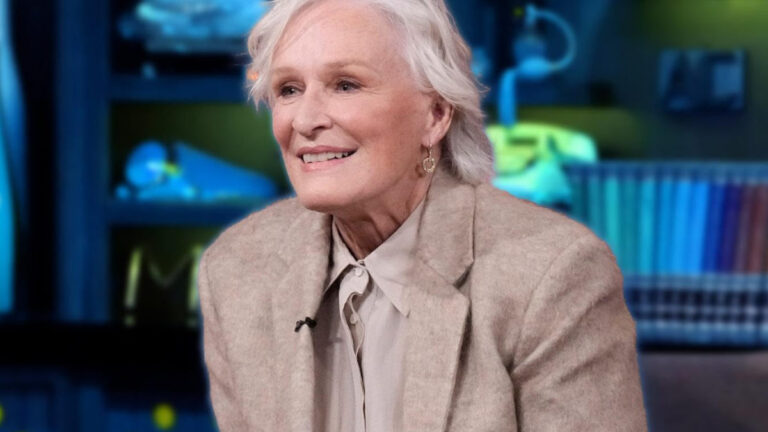
For years, Glenn Close has been at the center of one of Hollywood’s most frustrating conversations. How does one of the greatest actresses of all time still not have an Oscar? That question may finally have an answer. The Academy has announced that Glenn Close will receive an Honorary Oscar at the 2026 Governors Awards, ending one of the longest-running debates in awards season history. While it may not be a competitive win, it is still the golden statuette that many believe should have arrived years, if not decades, ago.

And honestly, it’s about time.

Close has been nominated for eight Academy Awards throughout her career, a staggering achievement on its own. Yet somehow, she has never walked away with a win. From Fatal Attraction and Dangerous Liaisons to The Wife and Albert Nobbs, she has consistently delivered performances that defined their era.

The most heartbreaking near-miss came in 2019.

After dominating much of awards season for her performance in The Wife, many believed the Oscar was finally hers. Instead, the award went to Olivia Colman for The Favourite in one of the biggest surprises of the night. Even today, fans still debate whether that was one of the Academy’s most shocking upsets.

The irony is that Glenn Close’s lack of an Oscar arguably became more famous than some actors’ actual wins.

Every year she was nominated, the conversation wasn’t just about her performance. It was about whether this would finally be the year the Academy corrected what many viewed as one of its biggest oversights.

Now, after more than four decades of unforgettable work, that recognition has finally arrived.

Close won’t be the only entertainment legend honored this year. Filmmaker Ridley Scott, the visionary behind classics such as Alien, Gladiator, and Blade Runner, will also receive an Honorary Oscar. Joining them is Floyd Norman, who made history as Disney’s first Black animator and helped shape beloved classics including Sleeping Beauty, The Jungle Book, and Robin Hood.

But for many movie fans, Glenn Close’s recognition will be the headline.

Because this isn’t simply about an actress receiving an award.

It’s about one of the greatest performers in Hollywood history finally getting the acknowledgement many believe she should have received long ago.

Will fans still wish she had won a competitive Oscar? Of course.

But after eight nominations, decades of acclaimed performances, and countless unforgettable characters, seeing Glenn Close finally hold an Oscar in her hands feels like a victory not just for her, but for everyone who has spent years asking the same question.

What took so long?

Selena Gomez Says She Misses Benny Blanco, Shares Sweet New Photo Dump From Their Married Life

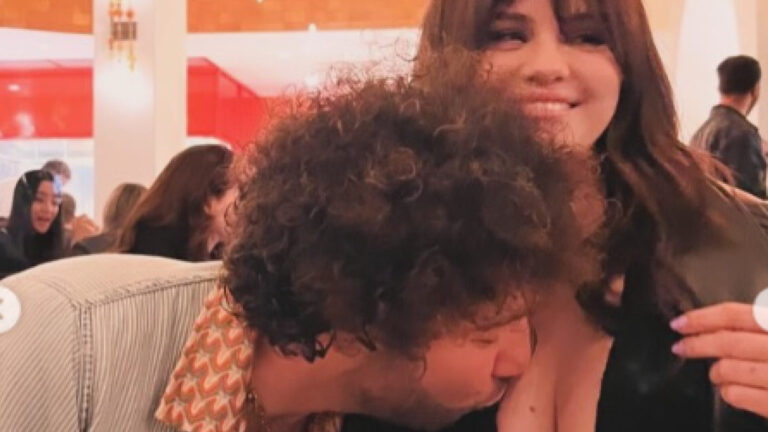
Selena Gomez and Benny Blanco might just be Hollywood’s favorite married couple right now. The singer and actress took to Instagram to share a heartfelt message for her husband while she’s away filming the latest season of Only Murders in the Building, and fans can’t get enough of the adorable photo dump that came with it. The carousel wasn’t just a collection of random photos. It felt like a mini scrapbook of their relationship, filled with intimate, goofy, and genuinely sweet moments that show why fans have fallen so hard for the couple.

“Distance means so little when someone means so much,” Selena captioned the post.

Among the pictures were cozy selfies, candid snapshots, a FaceTime screenshot, festive holiday memories, and a playful New Year’s celebration where Selena could be seen wearing a “Happy New Year” cap. Another photo captured the pair enjoying the snow together, while one showed Benny peacefully sleeping beside a plush toy. There was even a hilarious candid of Selena eating a lime while Benny looked straight at the camera.

The final slide may have been the cutest of them all: a childhood photo of Benny riding a pony, giving fans a glimpse of the music producer long before he became one of the biggest names in pop music.

Of course, it didn’t take long for Benny to respond.

The producer headed straight to the comments section and left a message that quickly had fans swooning.

“I fall more and more in love with you every day”

“time stands still when I’m in your arms,” he wrote.

Within just four hours of being posted, Selena’s carousel had already crossed 1.7 million likes, with the number continuing to climb rapidly as fans flooded the comments with heart emojis and messages about the couple’s relationship.

What makes Selena and Benny’s romance stand out is how effortless it feels. In an industry where relationships often become headline fodder for all the wrong reasons, the two have built a reputation for simply enjoying each other’s company. Their social media posts aren’t overly curated or designed to look perfect. Instead, they’re filled with awkward selfies, inside jokes, candid moments, and the kind of photos most couples keep in their camera roll.

That authenticity is exactly why fans connect with them.

While Selena continues filming Only Murders in the Building, Benny’s comment made one thing clear: the distance might be temporary, but the feelings definitely aren’t.

And judging by the reactions online, Hollywood may have produced one of its strongest and most beloved married couples of 2026.

When Did Movies Lose Their Color? Why Modern Hollywood Feels Less Magical Than It Used To

0

There was a time when movies looked like movies. Not content. Not products. Not intellectual property waiting for the next sequel. Movies felt bigger, brighter and somehow more alive. Lately, however, a growing number of fans have been asking the same question: why does everything look so grey now? The debate has resurfaced once again with HBO’s upcoming Harry Potter series. Ever since the first promotional images surfaced online, social media has been flooded with comparisons to the original films. Fans aren’t just debating casting choices or storylines. They’re talking about the visuals.

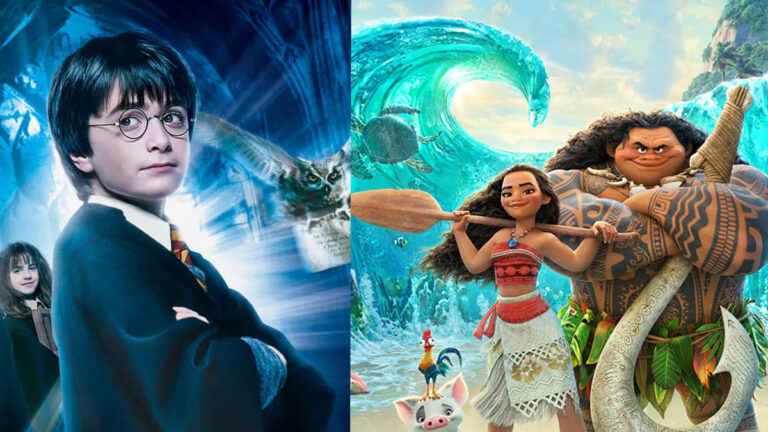
The original Harry Potter films looked magical. Hogwarts felt warm and inviting. The Great Hall glowed with floating candles. Diagon Alley was bursting with color and personality. Every location felt like a place you wanted to step into.

The HBO series, at least from what audiences have seen so far, appears far more muted and grounded. It looks expensive. It looks realistic. But many fans feel like some of the magic has been drained out of it.

And Harry Potter is hardly the only example.

Disney’s live-action remakes have faced the exact same criticism for years.

Compare the original animated Moana to the upcoming live-action adaptation. The animated film exploded with color. The ocean practically sparkled. The islands looked vibrant and dreamlike. Every frame felt handcrafted to capture a sense of wonder.

The live-action version looks more realistic.

But realism isn’t always what audiences are looking for.

The same criticism followed The Lion King. Technically, the film was an incredible achievement. The animals looked real. The environments looked real.

The problem was that many viewers felt nothing.

The animated Lion King had expressions, energy and personality. The remake had realism. And for many fans, realism turned out to be a poor substitute for emotion.

Marvel has also become part of this conversation.

Go back and watch films like Spider-Man, Iron Man or Guardians of the Galaxy.

The colors pop. Characters look distinct. Locations feel memorable.

Now compare that to many recent superhero projects where entire scenes seem covered in shades of grey, brown and blue. Fans regularly joke that modern blockbusters look like they were filmed behind a layer of dust.

Even the posters have started looking identical.

A floating head collage. A dark background. Orange and blue lighting.

The same design repeated over and over again.

The issue extends far beyond Disney and Marvel.

Look at fantasy television.

Compare HBO’s House of the Dragon to Peter Jackson’s Lord of the Rings trilogy.

Both are large-scale fantasy projects. Both are visually impressive.

Yet one feels significantly more colorful and adventurous than the other.

Jackson’s Middle-earth felt alive. Green fields. Golden forests. Bright costumes. Distinct cultures.

Many modern fantasy shows lean heavily into darker color palettes, desaturated visuals and gloomy lighting in an attempt to appear more serious.

Somewhere along the way, Hollywood started confusing darkness with maturity.

The result is a lot of projects that look expensive but not necessarily memorable.

Even animation isn’t immune.

Pixar classics like Finding Nemo, Monsters Inc., Ratatouille and Up were overflowing with visual personality. Every film had a distinct identity.

Many recent animated releases still look beautiful, but they often feel safer and more polished. The rough edges that made older films feel unique are slowly disappearing.

Part of the problem may be Hollywood’s obsession with realism. Modern cameras capture extraordinary detail. CGI can make almost anything look real. Studios spend hundreds of millions of dollars making fictional worlds appear believable.

But audiences don’t always fall in love with realism.

They fall in love with feelings. Nobody loved Harry Potter because Hogwarts looked realistic. Nobody loved Pandora because it looked practical. Nobody loved Moana because the ocean behaved according to the laws of physics. People loved these worlds because they felt magical.

Ironically, this conversation mirrors something happening outside Hollywood.

Look around and you’ll notice the same trend everywhere. Movie posters are more minimalist.

Streaming interfaces all look identical. Social media aesthetics favor neutral tones.

Even many modern logos have lost their unique personalities in favor of clean corporate simplicity.

Everything is becoming sleeker. Everything is becoming safer. Everything is becoming more similar.

And perhaps that is why audiences are reacting so strongly to movies that appear visually muted.

They’re not just talking about color correction. They’re reacting to a broader cultural shift.

A shift away from imagination and toward optimization. A shift away from personality and toward uniformity. Of course, nostalgia plays a role. Every generation believes the movies they grew up with were better.

But when fans compare the original Harry Potter films to HBO’s new version, or animated Moana to its live-action remake, they’re not necessarily saying the new projects are bad.

They’re saying something feels missing.

The colors feel flatter. The worlds feel smaller. The magic feels harder to find.

And maybe that’s the real reason this conversation keeps returning.

Because people don’t just miss old movies.

They miss how those movies made them feel.

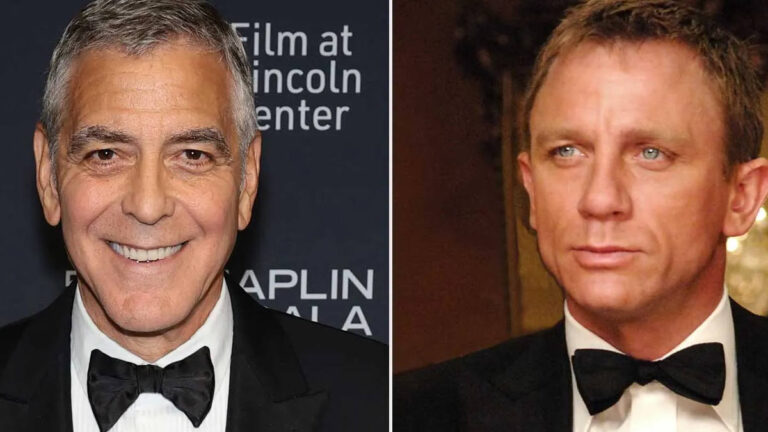
George Clooney Has Picked His Next James Bond And Honestly, We Kind Of Agree

0

The search for the next James Bond has become one of Hollywood’s favorite guessing games.

Ever since Daniel Craig walked away from the franchise after No Time To Die, fans have thrown around dozens of names. Aaron Taylor-Johnson. Idris Elba. Henry Cavill. Theo James. James Norton. Every few months, a new frontrunner emerges and social media declares the mystery solved.

Now George Clooney has entered the conversation and his choice is surprisingly simple.

According to the Oscar-winning actor, Callum Turner is the man who should inherit the famous license to kill.

Speaking recently, Clooney called Turner “the perfect guy” for the role, praising him for being charming, handsome, British and possessing the kind of effortless screen presence that Bond requires.

For once, this doesn’t feel like a celebrity throwing out a random name.

It actually makes sense.

One of the biggest problems with recent Bond discussions is that fans often focus on popularity rather than suitability. Being a great actor does not automatically make someone a great James Bond. Bond needs a very specific balance. He has to look dangerous without trying too hard. He has to be charming without becoming cheesy. He has to feel sophisticated while still convincing audiences that he could win a fight.

That combination is harder to find than people think.

Callum Turner checks a lot of those boxes.

He’s already proven he can lead major projects. He has the classic Bond look without feeling like a copy of previous versions. Most importantly, he doesn’t carry the baggage that comes with some of the bigger names constantly linked to the role.

Let’s be honest. Half the actors fans campaign for are either too famous, too old, or so associated with another franchise that audiences would struggle to see them as Bond.

Turner still feels fresh.

That said, we’re not completely sold.

The biggest challenge facing the next Bond isn’t the actor. It’s the franchise itself.

Amazon now has creative control of James Bond. That reality has made many longtime fans nervous. Bond has survived for more than six decades because it felt different from every other blockbuster franchise. The fear is that executives could try to turn 007 into another Marvel-style universe filled with spin-offs, origin stories and endless side characters.

No actor can fix that.

Even the perfect Bond will struggle if the films lose what made the franchise special in the first place.

Still, if the producers are genuinely looking for a fresh start, Callum Turner may be one of the smartest options on the table.

George Clooney isn’t always right.

But on this one, he might be onto something.

Whether Turner ultimately gets the tuxedo remains to be seen. But if Bond’s next chapter is about finding someone who can carry the franchise for the next decade rather than the next movie, his name deserves to be near the very top of the list.

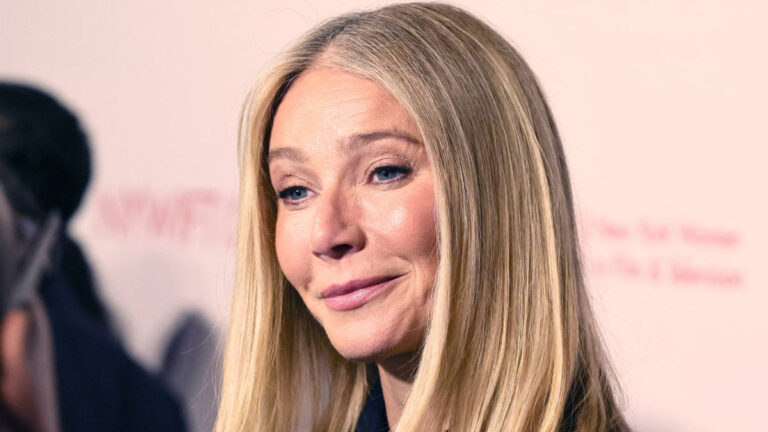
Gwyneth Paltrow Faces Backlash Over Israeli Real Estate Ad Amid Gaza War And Iran-Israel Conflict

0

Hollywood actress Gwyneth Paltrow has found herself at the center of a growing online controversy after appearing in a promotional campaign for an Israeli luxury real estate development. The Oscar-winning actress recently fronted an advertisement for 51 Park, a high-end residential project in Herzliya, Israel. In the campaign, Paltrow speaks about the appeal of living near green spaces and iconic city parks before revealing the destination as Herzliya, Israel. The development is being built near Herzliya Park and is being marketed as one of the country’s premier luxury residential projects.

On paper, it looks like a standard celebrity endorsement deal.

Online, however, the reaction has been anything but standard.

The campaign arrives at a time when the Israel-Gaza war continues to dominate global headlines and tensions between Israel and Iran have escalated dramatically. As clips from the advertisement began circulating online, thousands of users criticized both the timing of the campaign and Paltrow’s involvement.

Many critics argue that public figures should be speaking out against war, civilian casualties and humanitarian crises rather than promoting luxury developments in the region. Others specifically targeted the project’s location, pointing to historical claims surrounding the land and alleging connections to Palestinian displacement during the 1948 Nakba.

Supporters of the actress have pushed back, arguing that Paltrow is simply participating in a commercial campaign and should not be expected to serve as a political spokesperson every time she accepts a brand partnership.

But that defense has not stopped the backlash.

For many observers, the issue goes beyond real estate. It raises a larger question about celebrity responsibility during global conflicts. When some of the world’s biggest stars have platforms reaching hundreds of millions of people, should they remain neutral, or should they use that influence to address humanitarian concerns?

That debate is exactly why the campaign has become so polarizing.

Paltrow is not just another celebrity. She is one of Hollywood’s most recognizable faces, known globally through blockbuster films, including her role as Pepper Potts in the Marvel Cinematic Universe. Because of that visibility, every endorsement carries greater scrutiny than it might for a lesser-known figure.

Our view is simple. Celebrities have every right to make business decisions, but audiences also have every right to question those decisions. When wars dominate international headlines and civilians continue to suffer, many people find it difficult to separate luxury marketing from the reality unfolding on the ground.

Whether the criticism directed at Paltrow is fair or excessive will remain a matter of opinion. What is undeniable is that the advertisement has sparked a conversation far bigger than real estate, and that conversation shows no signs of slowing down.